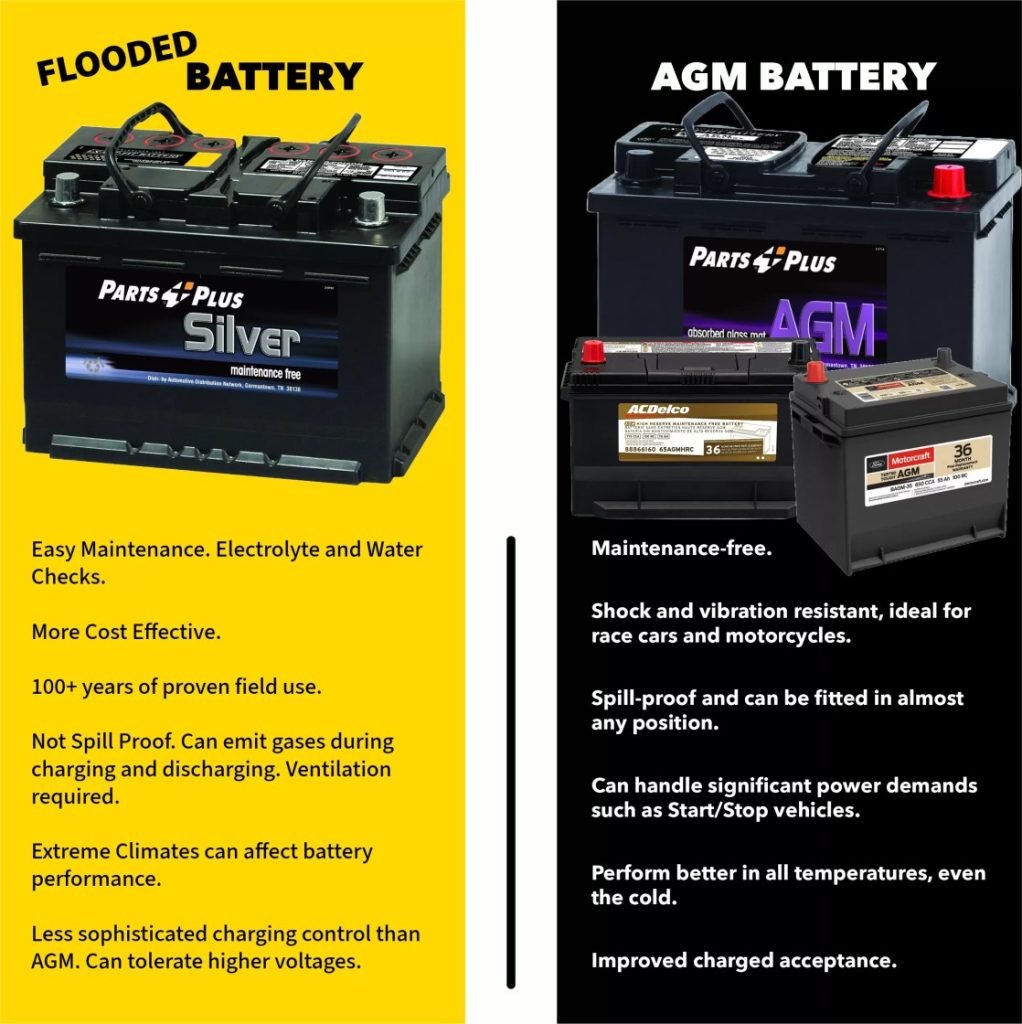
When it comes to choosing the best battery for your standby generator, you want something reliable, long-lasting, and easy to maintain. But with options like Flooded and AGM batteries, it’s easy to feel overwhelmed.
Which one will keep your generator ready when you need it most? You’ll discover the key differences between Flooded and AGM batteries, helping you make the smartest choice for your power backup. Keep reading to find out which battery suits your needs and ensures your generator never lets you down.
Flooded Batteries Basics
Flooded batteries have a simple construction. They contain lead plates submerged in liquid acid inside a hard plastic case. This design allows the battery to hold a lot of energy and deliver strong power bursts.
Performanceis good for many uses. These batteries provide high surge currents, making them ideal for starting engines. They work well in cold weather but can lose charge if left unused for long.
Flooded batteries need regular maintenance. Checking and topping up the water level is important. They must be kept upright and ventilated to avoid gas build-up. This care helps keep them working longer and safely.

Credit: www.tycorunenergy.com
Agm Batteries Basics
AGM batterieshave a unique design. They use a glass mat separator that holds the electrolyte. This design keeps the battery sealed and spill-proof. The construction allows for better vibration resistance and durability. AGM batteries are compact and lightweight compared to flooded batteries.
Their performance is steady and reliable. AGM batteries can deliver high bursts of power. They have low internal resistance, which means faster charging and discharging. These batteries work well in cold weather and have a longer lifespan under proper use.
Maintenance is simple. AGM batteries do not need water refilling. They are sealed, so no acid spills or leaks occur. This makes them safer and easier to handle. Regular checks of voltage and charging status keep them healthy.
Comparing Lifespan And Durability
Flooded batteries usually last longer with proper care but need more maintenance. AGM batteries are durable and require less upkeep, ideal for standby use. Both have strengths in lifespan and durability depending on your needs.
Expected Battery Life
Flooded batteriesusually last about 3 to 5 years. They need regular maintenance like adding water. AGM batteriescan last 4 to 7 years. They require less care and stay sealed.
The lifespan depends on how often the generator runs and how well you care for the battery.
Resistance To Environmental Factors
| Battery Type | Heat Resistance | Vibration Resistance | Leak Risk | Maintenance |
|---|---|---|---|---|
| Flooded | Moderate | Low | High (needs careful handling) | High (check water, clean terminals) |
| AGM | High | High | Low (sealed design) | Low (mostly maintenance-free) |
Efficiency And Power Output
Starting poweris key for standby generators. Flooded batteriesoffer strong bursts of energy. They perform well in cold weather. AGM batteriesprovide consistent starting power. They are sealed and need less maintenance. Both types deliver enough power to start most generators quickly.
Charging efficiencyaffects how fast batteries fill up. AGM batteries charge faster than flooded ones. They also hold charge longer when not in use. Flooded batteries need more careful charging to avoid damage. AGM types are better for frequent generator use due to their quick recharge and low maintenance.
Safety And Environmental Impact
Flooded batteriescontain liquid acid that can spill easily. This creates a risk of acid burnsand damage to surroundings. They need good ventilationto release harmful gases safely. Without ventilation, gases can build up and cause health hazards.
AGM batteriesare sealed and do not spill acid. They release very little gas and work safely in closed spaces. This reduces the need for extra ventilation and lowers the risk of accidents.
| Battery Type | Spill Risk | Ventilation Needs | Recyclability | Disposal |
|---|---|---|---|---|
| Flooded | High | Required | Good, but needs special handling | Must follow hazardous waste rules |
| AGM | Low | Minimal | Good and easier to recycle | Safer and simpler disposal |
Cost Considerations
Flooded batteriesusually cost less upfront than AGM batteries. This makes them easier to buy at first. Flooded types need extra parts like vent caps and fluid checks, adding to the initial price. AGM batteries, by design, are sealed and maintenance-free, so fewer extras are needed.
Long-term costs differ too. Flooded batteries require regular water refills and cleaning. This means more maintenance time and expense. AGM batteries last longer and need less care, saving money over years. They resist leaks and damage better, which means fewer replacements.
| Cost Aspect | Flooded Battery | AGM Battery |
|---|---|---|
| Initial Investment | Lower purchase price, needs extra parts | Higher price, sealed and ready to use |
| Long-term Expenses | Regular maintenance, water refills, shorter life | Less maintenance, longer life, less replacement |
Installation And Compatibility
Flooded batteriesneed more space because of their size and ventilation needs. They release gases that must escape safely. AGM batteriesare smaller and sealed, so they fit in tight spots. They do not need special vents.
Many standby generators work well with flooded batteriesbut require careful setup. AGM batteriesare often preferred for newer models. They handle vibrations and temperature changes better.
| Battery Type | Space Needed | Ventilation Required | Generator Compatibility |
|---|---|---|---|
| Flooded | More space | Yes, must vent gases | Most older and some new generators |
| AGM | Less space | No, sealed design | Many new generators, better with vibrations |

Credit: www.tycorunenergy.com
Choosing The Right Battery
Flooded batteriesare good for heavy use and last long with proper care. They need regular water checks and ventilation. These batteries work well in places where space and maintenance are not issues.
AGM batteriesare sealed and need less care. They handle vibrations better and work well in small spaces. They are safer indoors because they do not emit gases.
| Battery Type | Best For | Maintenance | Space Needed |
|---|---|---|---|
| Flooded | Heavy use, outdoor locations | Needs water and ventilation | More space required |
| AGM | Indoor use, small spaces | Low maintenance | Compact size |
- Choose flooded if you can maintain it well.
- Pick AGM for ease and safety indoors.
- Consider battery size and where it will be placed.

Credit: www.vatrerpower.com
Frequently Asked Questions
What Is A Flooded Battery For Standby Generators?
A flooded battery contains liquid electrolyte that needs regular maintenance. It offers reliable power but requires water refilling and ventilation. Flooded batteries are cost-effective but less convenient for standby generator use due to maintenance needs.
How Does An Agm Battery Differ For Standby Generators?
AGM batteries use absorbed glass mat technology, making them sealed and maintenance-free. They resist vibration, have a longer lifespan, and work well in standby generators without needing water refills.
Which Battery Type Lasts Longer In Standby Generators?
AGM batteries generally last longer than flooded types due to their sealed design and resistance to sulfation. Flooded batteries require more upkeep, which can affect their longevity in standby generator use.
Are Agm Batteries Better For Cold Weather Standby Generators?
Yes, AGM batteries perform better in cold weather. They deliver higher power and start more efficiently in low temperatures, making them ideal for standby generators in colder climates.
Conclusion
Choosing between flooded and AGM batteries depends on your needs. Flooded batteries offer affordability and reliability. AGM batteries provide maintenance-free convenience and durability. Consider your budget and maintenance capacity. Think about battery lifespan and performance. Each option has its own strengths.
Evaluate which best suits your standby generator setup. Keep in mind the environment and conditions. Make an informed decision for peace of mind. Your choice impacts overall efficiency and cost. Choose wisely to power your home effectively. Always consult with a professional for guidance.