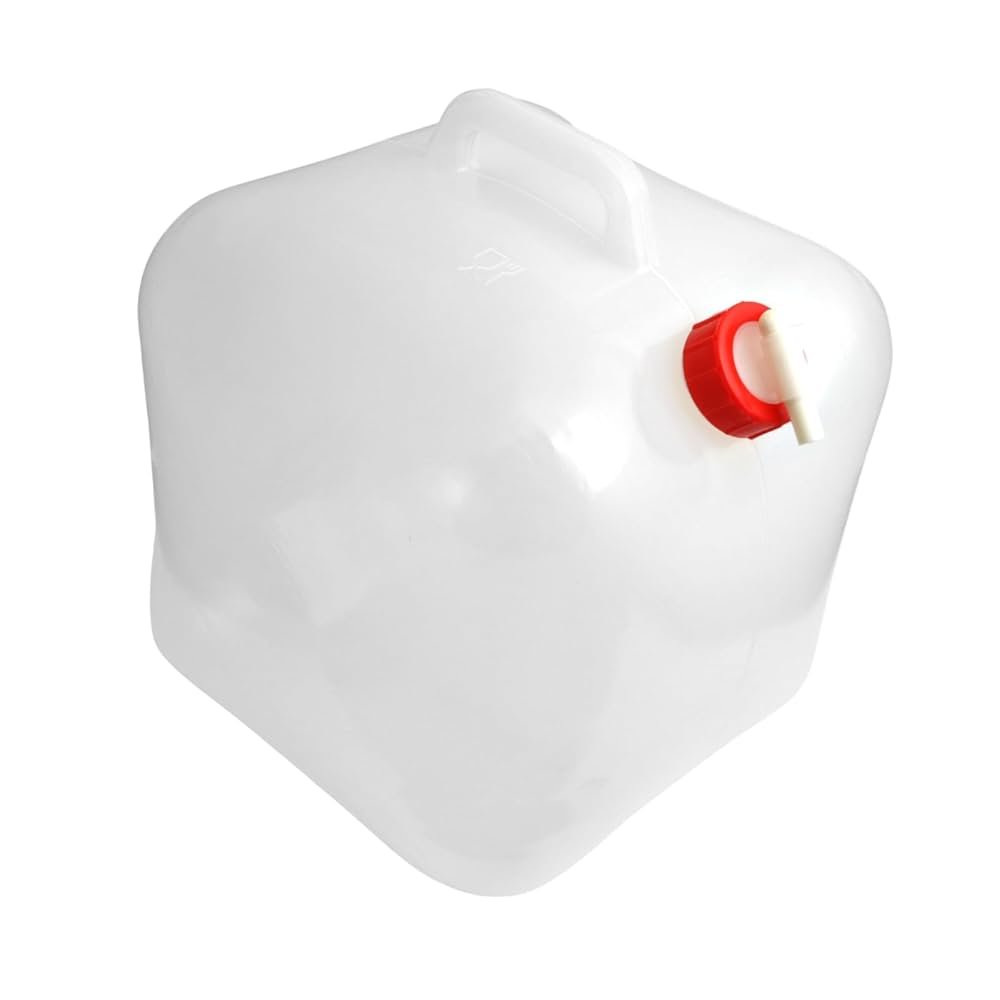
Have you ever stopped to think about the safety of the fuel cans you use? If you’re like many people, you might not have given it much thought.
But here’s something you should know: not all fuel cans are created equal. Enter the world of BPA-free fuel cans—a safer, smarter choice for your fuel storage needs. Why should you care? Because choosing the right fuel can isn’t just about convenience; it’s about protecting your health and the environment.
Imagine the peace of mind that comes from knowing you’re using a product free from harmful chemicals, designed with your safety in mind. As you read on, you’ll discover what makes BPA-free fuel cans a standout choice, ensuring you make informed decisions that benefit both you and our planet. Keep reading to uncover the details that could change the way you think about fuel storage forever.

Credit: www.amazon.com
Bpa And Its Risks
BPAstands for bisphenol A. It is a chemical used to make plastics and resins. Many everyday items like water bottles and food containers contain BPA.
Health concernsabout BPA arise because it can seep into food or liquids. This can cause problems in the body. BPA is linked to hormone disruption, which may affect growth, brain function, and reproduction.
- BPA may increase risk of heart disease and diabetes.
- It can affect children’s development.
- People with high BPA exposure might have more health issues.
Fuel canswith BPA may leak this chemical into gasoline. This can be harmful to people and the environment. Using BPA-free fuel canshelps avoid these risks and keeps fuel safer to store.
Credit: www.walmart.com
Features Of Bpa-free Fuel Cans
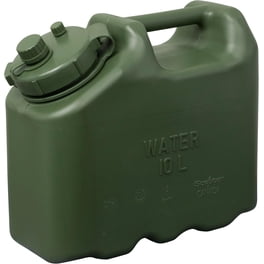
BPA-free fuel cansare made from safe, non-toxic plastics. These materials do not leach harmful chemicals into fuel or air. Commonly used plastics include high-density polyethylene (HDPE). This plastic is strong and resistant to chemicals.
The designfocuses on durability and ease of use. Features often include secure capsto prevent leaks and spoutsfor controlled pouring. The cans are built to last, resisting cracks and breaks even when dropped.
| Safety Standards | Description |
|---|---|
| EPA Compliance | Meets environmental protection rules for fuel containers. |
| DOT Approval | Approved for safe transport of fuel on roads. |
| Flame Mitigation | Includes features to reduce fire risks during use. |
Benefits Of Bpa-free Fuel Cans
BPA-free fuel cansensure health safetyby avoiding harmful chemicals. They do not release toxic substances into fuel. This helps keep your fuel clean and safe. Using these cans reduces risks of chemical exposure to your skin and air.
Environmental impactis lower with BPA-free cans. These cans are often made from safer, recyclable materials. They break down more easily and cause less pollution. Choosing BPA-free options supports a healthier planet.
Long-term cost savingscome from durability and fuel protection. BPA-free cans last longer and prevent fuel contamination. This means less waste and fewer replacements. Saving money over time is a smart choice.

Credit: www.fd.com.tw
Choosing The Right Bpa-free Fuel Can
BPA-free fuel canscome in many sizes. Small cans hold about 1 gallon. Larger cans can hold up to 5 gallons or more. Choose a size that fits your needs. Think about how much fuel you usually carry.
Portability matters. Look for cans with handles that are easy to grip. Lightweight cans help you carry fuel easily. Some cans have spouts that make pouring simple and safe. This reduces spills and waste.
| Certification | Why It Matters |
|---|---|
| ASTM | Ensures can meets safety and quality standards |
| EPA Approved | Reduces harmful fumes and emissions |
| DOT Certified | Safe for transport on roads |
Eco-friendly Alternatives To Traditional Fuel Cans
BPA-free fuel cansare safer for the environment and health. They avoid harmful chemicals found in some plastics. Many are made from recyclable materialssuch as high-density polyethylene (HDPE). These materials can be processed again, reducing waste and pollution.
Biodegradable optionsare also emerging. These cans break down naturally over time, causing less damage to nature. They help lower the amount of plastic that stays in landfills for years.
New innovations in fuel storageinclude cans that are lighter and more durable. Some have smart features to prevent leaks and spills. These advances make fuel handling safer and easier for everyone.
Maintaining And Storing Bpa-free Fuel Cans
Use warm water and mild soap to clean the fuel can. Avoid harsh chemicals that can damage the material. Rinse the can thoroughly to remove all soap. Let it dry completely before storing to stop mold growth.
- Store the fuel can in a cool, dry place away from sunlight.
- Keep it away from heat sources and open flames for safety.
- Use a tight-fitting cap to prevent fuel spills and evaporation.
- Place the can on a flat surface to avoid tipping over.
Check the can for cracks or damage regularly. Replace if you see leaks or wear. Avoid dropping or hitting the can to keep it strong. Store the can upright to protect its shape and seal.
Frequently Asked Questions
What Does Bpa-free Mean In Fuel Cans?
BPA-free means the fuel can is made without bisphenol A. BPA is a harmful chemical found in some plastics. BPA-free cans are safer for storing fuel and reduce health risks and chemical contamination.
Why Choose A Bpa-free Fuel Can?
Choosing a BPA-free fuel can ensures safer fuel storage. It prevents harmful chemicals from leaching into the fuel. This protects your engine and reduces environmental and health hazards linked to BPA exposure.
Are Bpa-free Fuel Cans Environmentally Friendly?
Yes, BPA-free fuel cans are more eco-friendly. They use safer plastic materials that do not release toxic chemicals. This reduces pollution and supports better sustainability compared to traditional BPA-containing cans.
How To Identify A Bpa-free Fuel Can?
Look for labels or markings stating “BPA-free” on the can. Check product descriptions or ask manufacturers for confirmation. BPA-free fuel cans often use safer plastics like HDPE or polypropylene.
Conclusion
Choosing a BPA-free fuel can helps protect your health and the environment. These cans do not release harmful chemicals into your fuel or surroundings. They offer a safer way to store and carry fuel for your tools and vehicles. Using BPA-free options means fewer risks and better safety for your family.
It’s a simple step that makes a big difference. Trust BPA-free fuel cans for cleaner, safer fuel storage every time.