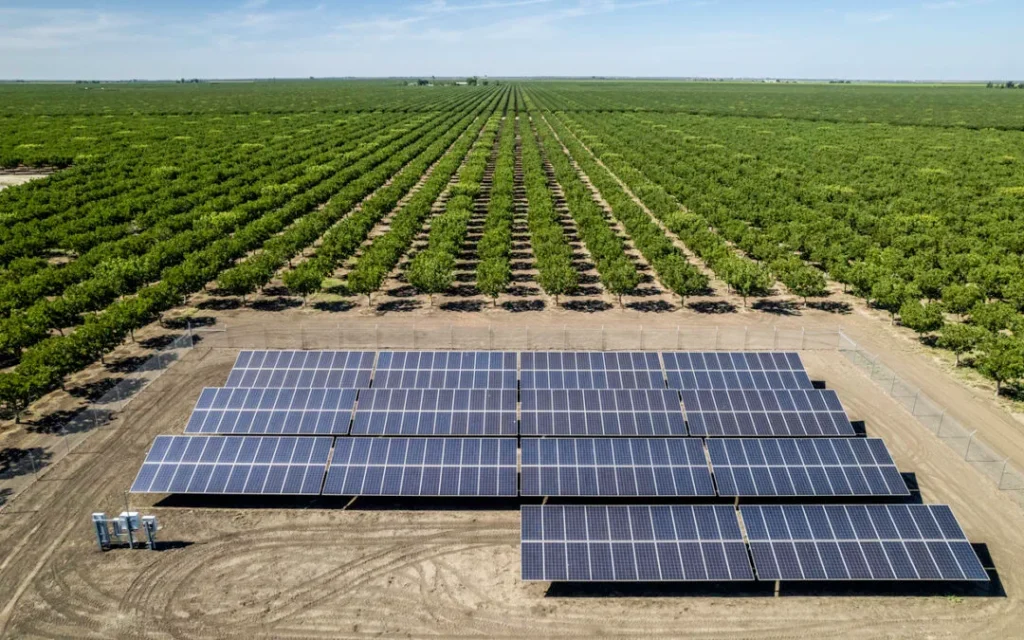
Are you curious about how big solar energy projects actually get? When does a solar setup move from small to large?
Understanding what is considered large solar energy generation can change how you see renewable power and its impact on your life and community. This isn’t just about numbers—it’s about the future of energy, savings, and sustainability that could affect you directly.
Keep reading to discover what makes a solar installation truly “large” and why it matters more than you might think.
Credit: alpaca.vc
Solar Energy Scale
Large solar energy generation refers to solar power plants that produce significant electricity, often measured in megawatts. These installations supply power to cities or industries, supporting the grid on a large scale. Size and output define what counts as large in solar energy production.
Small Vs Large Solar Systems
Small solar systemsare usually for homes or small businesses. They generate less than 100 kilowatts (kW) of power. Large solar systems produce much more energy. These are used by factories or to power whole communities.
Defining Large-scale Solar
Large-scale solar systems are built to supply power to many users. They often cover big areas and use many solar panels. These systems connect to the main power grid to help meet high energy needs.
Capacity Thresholds
| System Type | Capacity |
|---|---|
| Small Solar System | Less than 100 kW |
| Medium Solar System | 100 kW to 1 MW |
| Large Solar System | More than 1 MW |

Credit: www.worldatlas.com
Types Of Large Solar Projects
Utility-scale solar farmsare large areas filled with many solar panels. These farms generate huge amounts of electricity. They supply power to the electric grid for cities and towns. Usually, they cover acres of land and use advanced technology to collect sunlight.
Commercial solar installationsare smaller than utility farms but still large. Businesses install these systems on rooftops or land. They help cut energy costs and reduce pollution. These installations power factories, offices, and stores.
Community solar projectsallow many people to share one solar power system. Members buy or rent part of the system. They get credits on their electricity bills. This option helps people who cannot install solar panels at home.
Technology Used In Large Solar Generation
Photovoltaic panelsturn sunlight into electricity. They use layers of silicon to capture light. These panels are placed in large fields to create solar farms. They need direct sunlight to work best.
Concentrated Solar Poweruses mirrors to focus sunlight. This heats a fluid to produce steam. The steam spins turbines to create electricity. It works well in sunny, open areas.
Energy storage solutionskeep solar power for later use. Batteries store extra electricity made during the day. This power can be used when the sun is down. Storage helps make solar energy reliable all day.
Benefits Of Large Solar Energy
Large solar energy generation refers to solar power plants producing substantial electricity for cities or industries. It lowers carbon emissions and reduces electricity costs by using abundant sunlight. This clean energy supports a stable power supply and helps protect the environment.
Environmental Impact
Large solar energy plantsproduce clean and renewable power. They reduce carbon emissionsand help fight climate change. Unlike fossil fuels, solar power does not pollute air or water. It saves natural resourcesand protects wildlife habitats.
Economic Advantages
- Creates jobsin manufacturing and installation.
- Lowers electricity costs over time.
- Reduces dependence on imported fuels.
- Offers stable energy prices.
Grid Stability
Large solar farms help balance power supply. They reduce strain during peak hours. When combined with batteries, solar energy ensures reliable electricity. This supports a stable and strong electric grid.
Challenges In Large Solar Projects
Large solar projects need a lot of land. Finding space that gets enough sunlight is tough. Land near cities is expensive and often not big enough. Sometimes, solar farms are built far from cities, which raises transportationcosts for power.
The initial investmentfor big solar projects is very high. Buying solar panels, setting up equipment, and connecting to the grid costs a lot. It takes many years to earn back the money spent.
Regulatoryand permitting issuescan slow down projects. Getting approvals from government agencies takes time. Rules can change, causing delays. Projects must follow strict laws to protect the environment and local communities.
Global Trends In Large Solar Generation
Large solar energy generation means producing power on a very big scale. It uses many solar panels that cover large areas. This helps supply electricity to thousands of homes and businesses.
Leading Countries And Regions
- Chinaleads the world in solar power capacity.
- United Statesalso has many large solar farms.
- Indiais rapidly expanding its solar energy projects.
- Europefocuses on solar power in countries like Germany and Spain.
Growth Rates And Projections
Solar energy capacity grows about 20% each year worldwide. Experts expect this trend to continue for the next decade. More countries invest in solar power to reduce pollution and costs.
Innovations Driving Expansion
- Improved solar panel efficiencymakes more power from the sun.
- Better energy storagehelps use solar power day and night.
- Smart gridsallow better management of solar energy flow.
Future Of Large Solar Energy
The future of large solar energy depends on new technologiesthat improve efficiency and lower costs. Some emerging technologies include perovskite solar cellsand solar tracking systems, which help capture more sunlight throughout the day.
Governments offer policies and incentivesto support large solar projects. These include tax credits, <strongsubsidies, and feed-in tariffs. Such help encourages investment and speeds up solar adoption.</strongsubsidies
Large solar energy often works together with other renewable sourceslike wind and hydro power. This integrationcreates a more stable and reliable energy supply. Using different sources helps balance energy when the sun doesn’t shine.

Credit: peihuayu.medium.com
Frequently Asked Questions
What Defines Large Solar Energy Generation Capacity?
Large solar energy generation refers to systems producing 1 megawatt (MW) or more. These installations power thousands of homes or businesses. They are typically utility-scale projects connected to the grid, unlike small residential solar setups. Capacity size distinguishes large from small solar systems.
How Does Large Solar Energy Impact The Power Grid?
Large solar projects supply significant clean electricity to the grid. They reduce reliance on fossil fuels and lower carbon emissions. These plants help stabilize energy prices and improve grid resilience. Their scale enables substantial renewable energy integration.
What Are Common Types Of Large Solar Energy Systems?
Utility-scale photovoltaic (PV) farms and concentrated solar power (CSP) plants dominate large solar energy. PV farms use vast arrays of solar panels. CSP plants use mirrors to focus sunlight for heat-driven electricity. Both types generate high-capacity renewable energy efficiently.
Why Invest In Large Solar Energy Generation Projects?
Investing in large solar projects promotes sustainable energy and reduces emissions. They offer long-term cost savings and energy independence. Large-scale solar attracts government incentives and supports green job creation. These benefits make such investments economically and environmentally wise.
Conclusion
Large solar energy generation offers immense potential. It provides clean, renewable power. Solar farms can power thousands of homes. They reduce reliance on fossil fuels. This helps in lowering carbon emissions. Large solar projects also create jobs. They boost local economies.
Understanding their impact is crucial. As technology advances, efficiency will improve. Costs will also decrease over time. Exploring solar energy is vital for a sustainable future. It ensures energy security and environmental health. Embrace the solar revolution today. Make a difference for tomorrow.