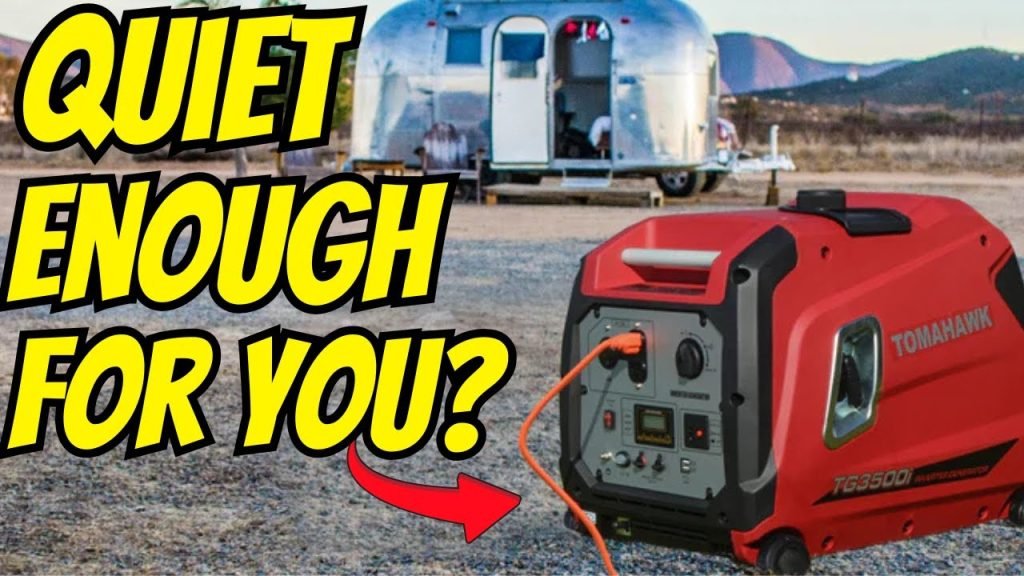
Are you tired of the constant buzz and whirr from your generator? You’re not alone.
Many people seek peace and quiet, especially during outdoor activities or emergency power outages. But what exactly is considered quiet for a generator? Understanding this can be the difference between a peaceful night under the stars and a headache-inducing cacophony.
We’ll dive into the decibel levels that define a quiet generator and help you find the perfect model for your needs. Stick around to discover how to enjoy the power you need without sacrificing tranquility.
Noise Levels Of Generators
Noise levelsof generators are measured in decibels (dB). This unit shows how loud a sound is. The higher the number, the louder the noise. Quiet generators usually have a noise level under 60 dB. Normal conversation is about 60 dB for comparison.
Common noise rangesvary by generator type. Portable ones often make between 50 to 70 dB. Larger, more powerful models can reach 80 to 90 dB. Noise levels above 85 dBcan be harmful if heard for long periods.
| Generator Type | Noise Range (dB) |
|---|---|
| Inverter Generators | 50 – 60 dB |
| Portable Generators | 60 – 70 dB |
| Standby Generators | 70 – 90 dB |
Factors affecting noiseinclude engine size, load, and muffler quality. Smaller engines and good mufflers reduce noise. Running a generator at full load often makes it louder. Placement also matters; a generator inside a shed sounds quieter.
Types Of Quiet Generators
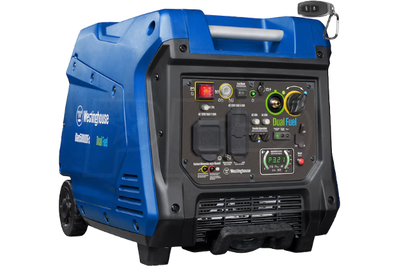
Inverter generatorsare known for their quiet operation. They adjust engine speed to match power needs, which reduces noise. These generators are light and easy to carry. They work well for camping and home use.
Conventional generatorsusually make more noise. They run at a constant speed, which keeps the noise level steady but louder. These are good for heavy-duty work where power is needed for long times.
Solar generatorsare the quietest option. They use solar panels and store power in batteries. There is no engine, so they make almost no noise. Great for indoor use and places that need silence.
Measuring Generator Noise
A decibel metermeasures the noise level of a generator. It shows sound in dB, which tells how loud or quiet the sound is. This tool helps check if a generator is too noisyor quiet enoughfor use.
Tests use set distances to keep results fair. Most measure noise at 7 meters (23 feet)or 3 meters (10 feet). This gives a clear idea of how loud the generator sounds from a normal distance.
| Distance from Generator | Purpose |
|---|---|
| 7 meters (23 feet) | Standard noise level testing |
| 3 meters (10 feet) | Close-up sound measurement |
Noise data shows the loudnessat different points. Lower dB means the generator is quieter. Quiet generators usually have noise levels below 60 dB. This is about as loud as a normal conversation.
Credit: www.nytimes.com
Noise Reduction Techniques
Soundproof enclosureshelp lower generator noise by blocking sound waves. These enclosures use thick materials that absorb noise. They keep the generator quieter, especially in homes and offices.
Placement and positioningplay a big role in noise reduction. Placing the generator far from living areas reduces noise impact. Position it near walls or behind barriers to shield sound.
Maintenance and upkeepkeep the generator running quietly. Regular oil changes and cleaning prevent excess noise. Worn parts can make loud sounds, so fix them quickly. Proper care means less noise and longer life.
Choosing A Quiet Generator
Choosing a quiet generator depends on its purposeand usage. For camping, a small, quiet modelis best. For home backup, a more powerful but still low-noise generatoris needed. Quiet generators usually run below 60 decibels, which is similar to normal conversation.
Budget affects your choice. Quiet generators can be more expensivedue to advanced technology. Decide how much you want to spend before buying. Sometimes spending a bit more means getting a generator that runs quietlyand lasts longer.
Portability and size are important too. A compact, lightweight generatoris easier to move and store. Large generators tend to be louder and harder to carry. Choose one that fits your space and can be moved easily.

Credit: www.nytimes.com
Impact Of Generator Noise
Generator noisecan disturb people and animals. Quiet generators help keep peace.
In residential areas, noise should stay below 60 decibels. Loud sounds can annoy neighbors and cause complaints. Quiet generators make living spaces calm and friendly.
For camping and outdoor use, noise under 50 decibels is best. It keeps nature sounds clear and lets everyone rest well. Quiet generators blend with the environment without causing stress.
At worksites, rules often limit noise to protect workers. Many places allow 70 decibels or less. Using quiet generators helps meet these regulationsand avoid fines.

Credit: generatorbible.com
Frequently Asked Questions
What Noise Level Is Quiet For A Generator?
A generator is considered quiet if it produces 50 to 60 decibels. This noise level is comparable to a normal conversation. Quiet generators reduce disturbance in residential and camping areas.
How Do Manufacturers Measure Generator Noise?
Manufacturers measure noise using decibels (dB) at a fixed distance, usually 7 meters. This standard helps consumers compare generator sound levels accurately.
Are Inverter Generators Quieter Than Conventional Ones?
Yes, inverter generators are designed with noise reduction technology. They typically operate at 50-60 dB, making them quieter than conventional generators which can exceed 70 dB.
Does Generator Size Affect Noise Levels?
Generally, larger generators produce more noise due to bigger engines. However, newer models use soundproofing to minimize noise regardless of size.
Conclusion
Quiet generators usually produce noise below 60 decibels. This level is similar to normal conversation sounds. Choosing a quiet generator helps reduce disturbance at home or work. Noise depends on size, design, and fuel type. Smaller models often run quieter.
Soundproof covers and proper placement also lower noise. Understanding noise levels helps you pick the right generator. A quiet generator keeps your space peaceful and calm. Consider these points to find a generator that fits your needs well.