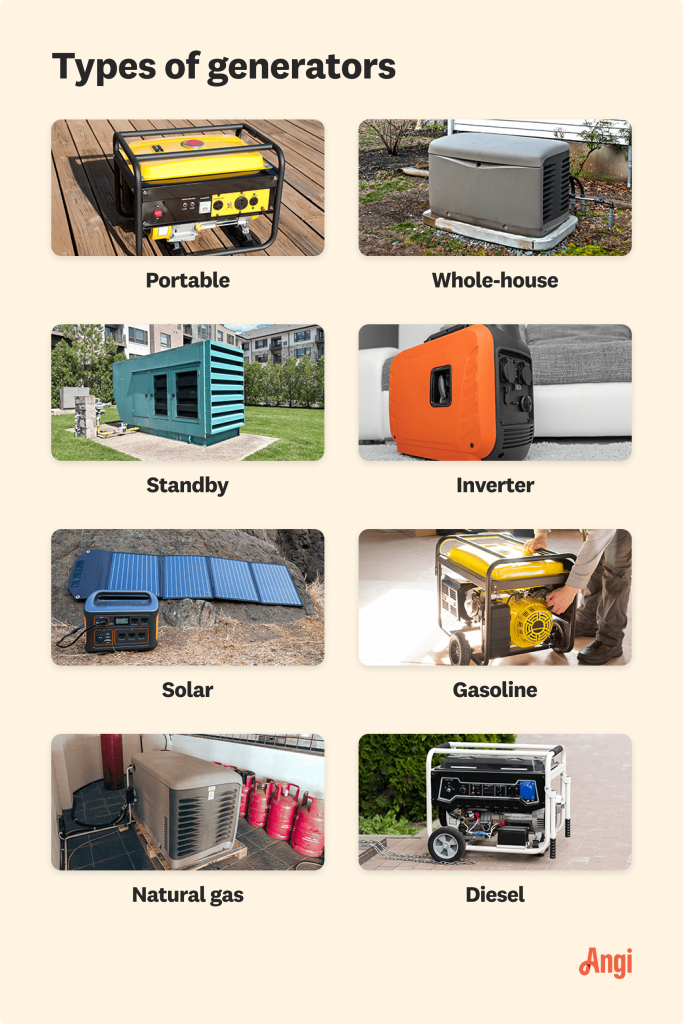
Are you trying to decide between a large gas generator and a diesel generator for your power needs? Understanding the key differences can save you time, money, and headaches down the road.
You might think both do the same job, but the way they work and what they offer can impact your efficiency, costs, and even the environment. Keep reading, and you’ll discover the facts that help you make the best choice for your situation—no confusion, no guesswork.
Let’s dive in.
Gas Generator Basics
Gas generators use natural gas or propane as fuel. The fuel mixes with air and ignites inside the engine. This combustion creates energy to power the generator. Gas burns cleaner than diesel, producing fewer harmful gases. This makes gas generators better for the environment in many cases. They often run quieter due to smoother combustion.
- Backup power for homes and businesses
- Power supply at construction sites
- Remote or off-grid locations
- Industrial facilities needing continuous power
| Advantages | Limitations |
|---|---|
|
|
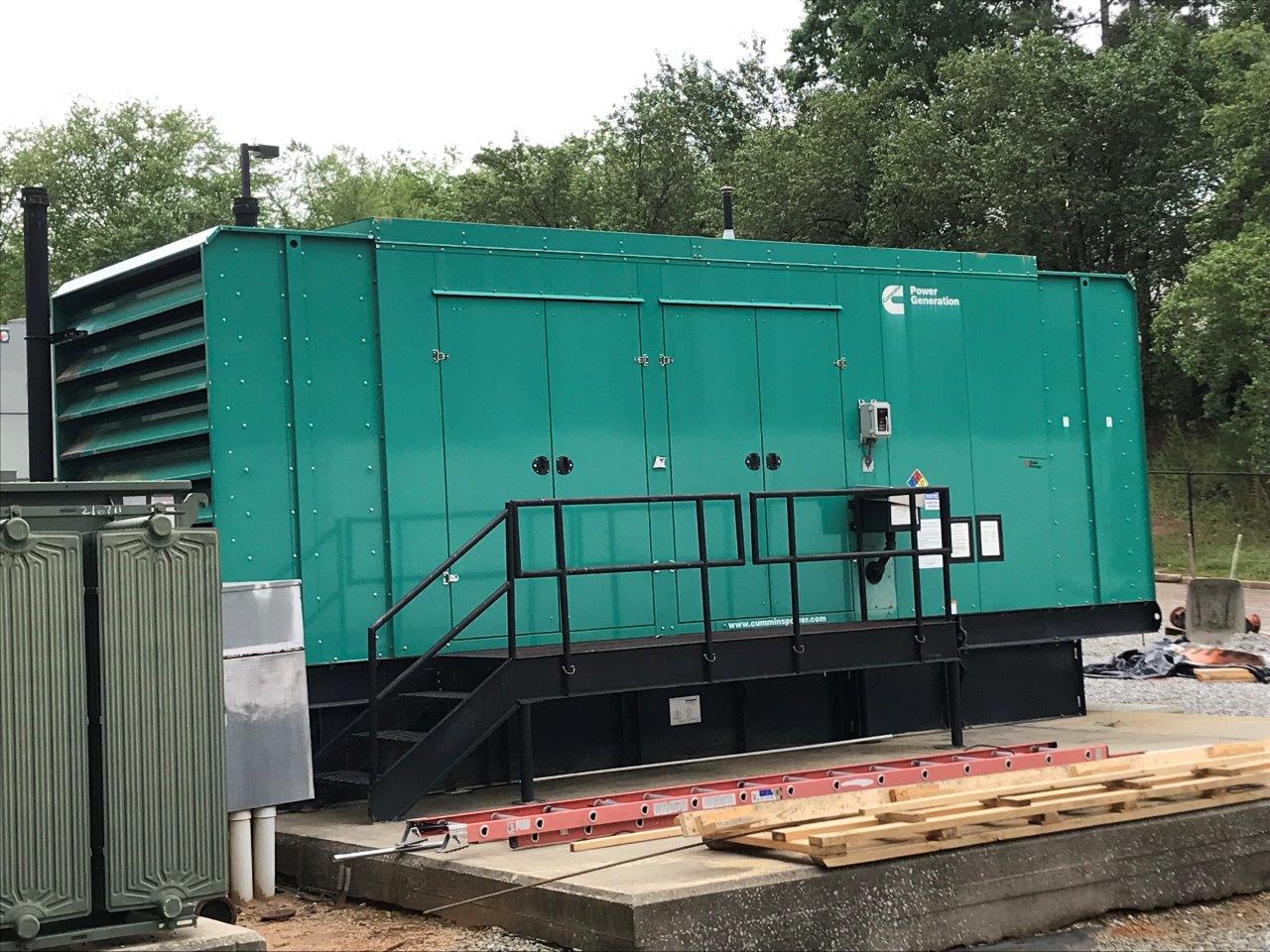
Credit: woodstockpower.com
Diesel Generator Basics
Diesel generatorsuse diesel fuel for power. The fuel burns inside the engine, creating energy. This process is called combustion. It happens when diesel mixes with air and ignites under pressure. The engine then turns this energy into electricity.
Diesel generators work well for places needing reliable power. They are common in factories, hospitals, and homesduring outages. Large gas generators use natural gas, but diesel is easier to store and transport.
- Advantages:Diesel is efficient and has a long engine life.
- Limitations:Diesel engines are noisy and produce more pollution.
Performance Comparison
Large gas generatorsoften offer better fuel efficiencyat partial loads. Diesel generators provide higher power outputand are ideal for heavy-duty work. Gas generators run cleaner but may produce less power compared to diesel.
Diesel enginesemit more nitrogen oxidesand particulate matter. Gas generators release fewer harmful gases, making them better for the environment. Noise levels are usually lower in gas generators.
| Aspect | Large Gas Generator | Diesel Generator |
|---|---|---|
| Maintenance | Requires less frequent oil changes | Needs regular oil and filter changes |
| Reliability | Good for steady, moderate use | Very reliable under heavy loads |
| Cost of upkeep | Lower maintenance costs | Higher maintenance costs |
Cost Factors
Initial investmentfor large gas generators is usually higher. Diesel generators cost less upfront but need more space. Gas generators require advanced technology and safety measures.
Fuel and operating costsdiffer a lot. Gas generators use natural gas, which is often cheaper and cleaner. Diesel generators need diesel fuel, which can be costly and polluting. Gas generators also need less maintenance.
| Cost Factor | Large Gas Generator | Diesel Generator |
|---|---|---|
| Initial Investment | Higher due to technology and safety | Lower upfront cost |
| Fuel Cost | Generally cheaper natural gas | More expensive diesel fuel |
| Maintenance | Lower, cleaner fuel | Higher, dirtier fuel |
| Long-Term Expenses | Lower due to fuel and upkeep | Higher due to fuel and repairs |
Suitability For Different Needs
Large gas generatorsare often chosen for industrial usebecause they run cleaner and are quieter. They suit factories and plants that need steady power for long hours. Diesel generatorsare favored where power demands are very high and fuel storage is easier.
For backup power, diesel generators are common. They start quickly and work well in emergencies. Gas generators can also be used but need a steady fuel supply.
In remote or off-grid areas, diesel generators are popular due to easy fuel transport and storage. Gas generators may need pipelines or tanks, which are harder to manage far from cities.
| Use Case | Large Gas Generator | Diesel Generator |
|---|---|---|
| Industrial Use | Cleaner, quieter, good for long runs | High power, easy fuel storage |
| Backup Power | Needs steady gas supply | Quick start, reliable in emergencies |
| Remote Areas | Requires pipelines or tanks | Fuel easy to transport and store |

Credit: www.depco.com
Future Trends
New technologiesare improving gas and diesel generators. Smart controls help machines run more efficiently. Sensors track fuel use and emissions in real time. This helps reduce waste and costs.
Regulations are getting stricter. Governments want cleaner air. This means generators must meet new emission standards. Diesel engines face tough limits on pollutants. Gas generators must also lower their environmental impact.
Sustainability is key. Many companies want to use greener fuels. Biogas and renewable diesel are gaining attention. These fuels produce less carbon dioxide. Using them helps fight climate changeand supports a cleaner future.
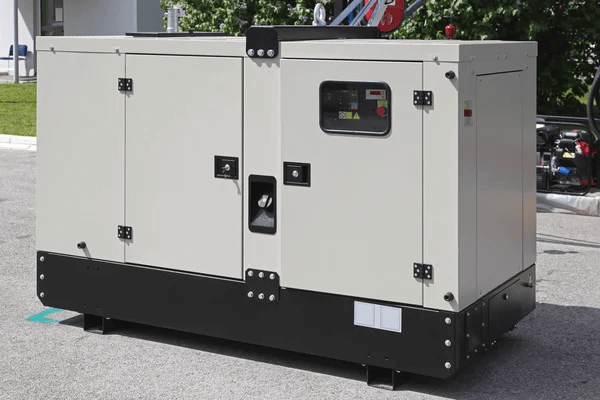
Credit: www.fuellogic.net
Frequently Asked Questions
What Is A Large Gas Generator?
A large gas generator uses natural gas or propane to produce electricity. It is cleaner and quieter than diesel generators. These generators are ideal for continuous power supply with lower emissions and maintenance needs.
How Does A Diesel Generator Differ From A Gas Generator?
Diesel generators run on diesel fuel, producing more noise and emissions. Gas generators use cleaner fuels like natural gas. Diesel models are often more fuel-efficient but require more maintenance and produce higher pollutants.
Which Generator Is More Cost-effective To Run?
Gas generators typically cost less to operate due to cheaper fuel and lower maintenance. Diesel generators have higher fuel costs but can be more durable under heavy loads. Operating costs depend on fuel prices and usage frequency.
Are Large Gas Generators Better For The Environment?
Yes, large gas generators emit fewer pollutants and greenhouse gases. They burn cleaner fuels like natural gas or propane. Diesel generators produce more harmful emissions, impacting air quality negatively.
Conclusion
Choosing between a large gas generator and a diesel generator depends on your needs. Gas generators are quieter and have lower emissions. They are ideal for residential areas. Diesel generators are more durable and fuel-efficient. They suit heavy-duty applications well.
Consider your power requirements and usage environment. Also, think about maintenance and fuel availability. Both types offer unique benefits. Your choice should align with your priorities. Evaluate costs and long-term savings too. Make an informed decision for reliable power supply.