Have you ever wondered how you can take control of your energy use and save money at the same time? Distributed Generation Solar might be the answer you’re looking for.
This smart way of producing electricity lets you generate power right where you need it—on your roof or property—cutting down your bills and reducing your carbon footprint. Keep reading to discover how Distributed Generation Solar works and why it could change the way you think about energy forever.
Basics Of Distributed Generation Solar
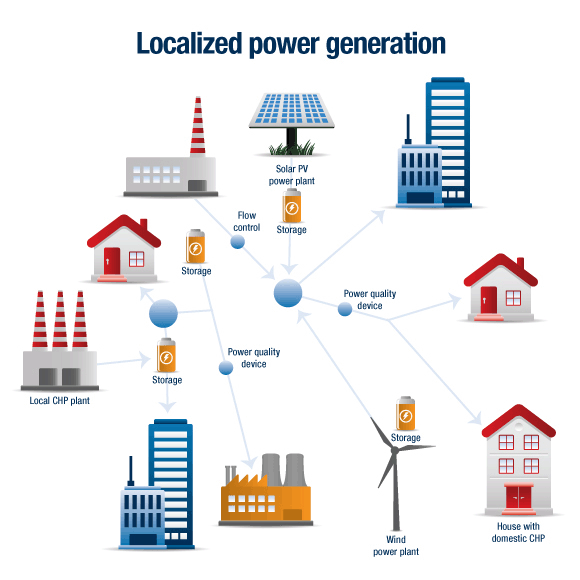
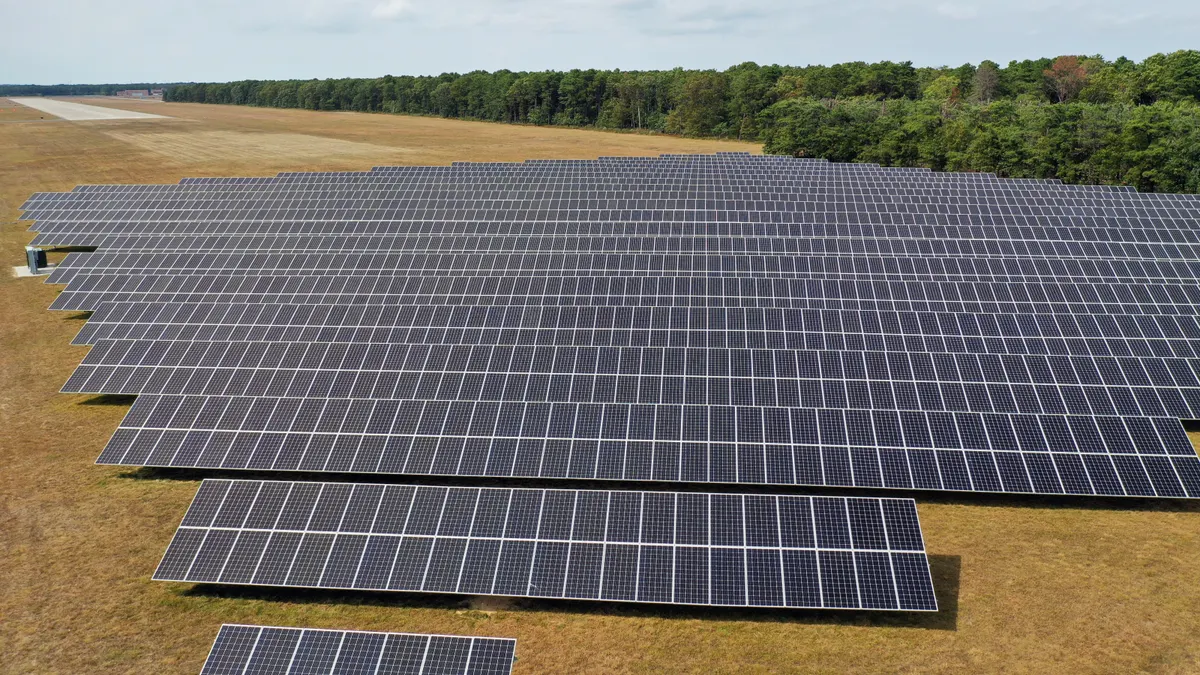
Distributed generation solarmeans producing electricity near where it is used. Small solar panels on rooftops or local areas create power. This power goes straight to homes or businesses without big power plants.
Solar panels collect sunlight and turn it into electricity. An inverter changes this power from direct current (DC) to alternating current (AC), which homes use. Sometimes, batteries store extra energy for later use.
| Key Component | Function |
|---|---|
| Solar Panels | Capture sunlight and make electricity |
| Inverter | Convert DC electricity to AC electricity |
| Batteries | Store extra energy for use at night or cloudy days |
| Connection to Grid | Send extra power back to the main electricity grid |
Credit: www.utilitydive.com
Benefits Of Distributed Solar
Distributed solarhelps reduce harmful gases that cause pollution. It uses clean energy from the sun, which is good for the environment. This lowers the need for power plants that burn coal or gas.
It saves money by cutting down energy costs over time. People can sell extra power back to the grid, creating a new incomesource. Jobs are created in installing and maintaining solar panels.
- Energy independencemeans less reliance on big power companies.
- Solar power can work during outages, providing backup energy.
- Communities can control their own energy sources.
Types Of Distributed Solar Systems
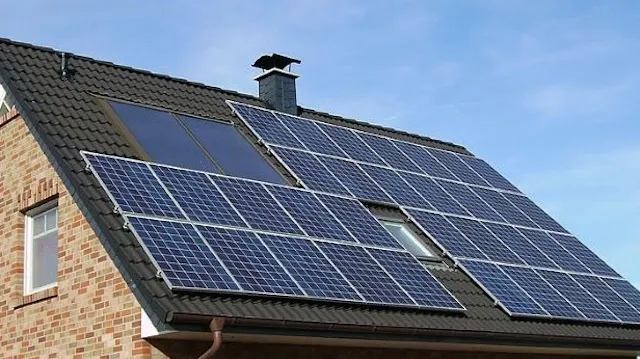
Rooftop solar panelsare the most common type of distributed solar systems. These panels are installed on the roofs of homes or buildings. They capture sunlight and turn it into electricity for local use. This helps reduce electricity bills and carbon footprints.
Community solar projectsallow many people to share solar power from a single, large solar array. Participants buy or lease part of the system. This option is great for those who cannot install panels on their own roofs.
Commercial solar installationsare larger solar setups for businesses or factories. They provide significant energy savings and reduce dependence on the grid. These systems often include monitoring tools to track energy production and use.
Credit: www.tdworld.com
Challenges In Adoption
Technical barriersinclude the difficulty of connecting solar panels to old power grids. These grids were not designed for many small power sources. This can cause power quality issuesand system instability. Also, energy storageis needed to manage solar power when the sun is not shining. This adds complexity and cost.
Regulatory hurdlesslow down solar adoption. Many rules were made for big power plants, not small ones on rooftops. Permits and inspections can take a long time. Net metering policies, which pay solar owners for extra power, vary widely and can be unclear.
Cost considerationsremain a challenge. Though solar prices dropped, installation and maintenancecosts can be high. Batteries for storage add extra expense. Some homes and businesses cannot afford the upfront investment.
Integration With The Grid
Net meteringlets solar users send extra power to the grid. They get credits for this energy. These credits reduce electricity bills. It helps balance energy use and production.
Smart grid technologiesimprove how solar power connects to the grid. They use sensors and communication tools. This keeps the grid stable and safe. It also helps manage energy flow better.
Energy storage solutionsstore solar energy for later use. Batteries are common for this. They save power when the sun isn’t shining. This makes solar energy more reliable and useful.
Credit: en.clickpetroleoegas.com.br
Future Trends In Distributed Solar
Advancements in solar technologyare making distributed solar systems more efficient and affordable. New solar panels capture more sunlight and work well in low light. Battery storage is improving, helping homes and businesses store energy for night use.
Policy and market evolutionsupport the growth of distributed solar. Many governments offer incentives and rebates to encourage solar installation. Energy markets are also adapting, allowing solar users to sell extra power back to the grid.
The role in decentralized energy systemsis growing. Distributed solar reduces the need for large power plants. It brings power closer to where it is used, cutting energy loss during transmission. This helps create a more reliable and cleaner energy system for everyone.
Frequently Asked Questions
What Is Distributed Generation Solar Energy?
Distributed generation solar energy refers to small-scale solar power systems located near the point of use. These systems generate electricity locally, reducing transmission losses and increasing energy efficiency. They empower consumers to produce their own clean energy and often connect to the grid for surplus energy distribution.
How Does Distributed Solar Benefit Homeowners?
Distributed solar allows homeowners to lower electricity bills by generating their own power. It provides energy independence, reduces carbon footprint, and can increase property value. Homeowners may also earn credits or payments for surplus energy sent back to the grid, making it a cost-effective and sustainable solution.
What Are The Main Types Of Distributed Generation Solar?
The main types include rooftop solar panels, solar carports, and small solar farms near consumption sites. These systems vary in size but share the goal of producing electricity close to where it’s used. Each type supports grid stability and promotes renewable energy adoption at a local level.
Is Distributed Solar Generation Connected To The Grid?
Yes, most distributed solar systems are grid-tied. They supply excess electricity to the grid and draw power when solar production is low. This connection ensures continuous power availability and allows for energy trading, benefiting both the user and the utility company.
Conclusion
Distributed generation solar offers a fresh energy solution. It empowers communities with local energy resources. This system reduces reliance on centralized power grids. It also lowers electricity costs for consumers. Environmental benefits include reduced carbon emissions. Solar energy is sustainable and renewable.
This technology supports energy independence. It also encourages local economic growth. Distributed solar energy is a practical choice for many. Embracing this technology can create a cleaner, greener future. With its advantages, distributed solar stands as a viable option. It’s a step towards a more sustainable world.