Have you ever considered harnessing the sun’s energy to power your home or business? Distributed solar power generation might be the perfect solution for you.
It’s a technology that’s not just for large solar farms or utility companies. Instead, it brings the power of the sun directly to your doorstep, offering a cleaner, more sustainable energy option. Imagine reducing your electricity bills while contributing to a healthier planet.
Sounds intriguing, right? You’ll discover how distributed solar power generation works and why it could be a game-changer for you. Don’t miss out on learning how you can take control of your energy future and make a positive impact. Keep reading to uncover the benefits and possibilities that await with distributed solar power generation.
Credit: medium.com
Basics Of Distributed Solar Power
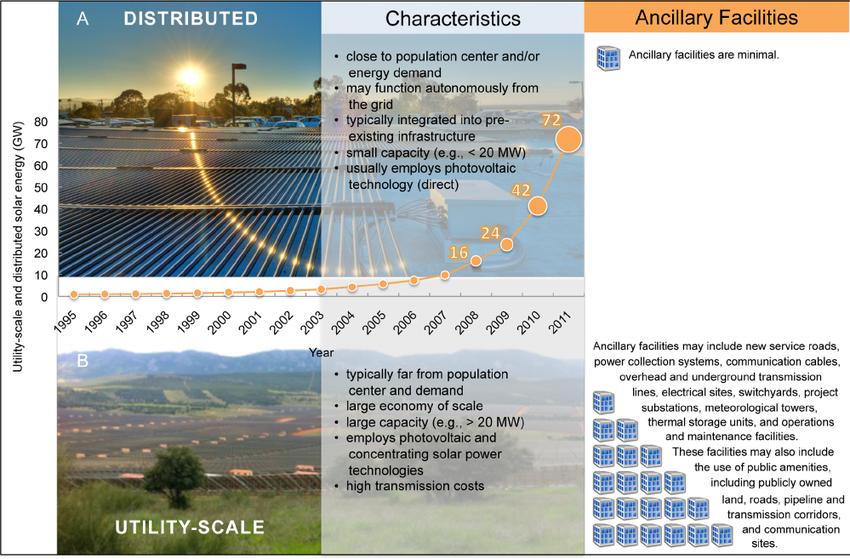
Distributed solar powermeans generating electricity close to where it is used. Solar panels are placed on rooftops or small plots near homes or businesses. These panels capture sunlight and turn it into electricity. This power can be used right away or stored in batteries.
Electricity flows from solar panels to the building’s electrical system. Any extra power can be sent back to the grid. This helps reduce energy loss during long-distance transmission.
| Distributed Solar Systems | Centralized Solar Systems |
|---|---|
| Panels installed near the user | Large solar farms in one location |
| Power used locally or stored | Power sent through long transmission lines |
| Less energy lost in transmission | More energy lost over long distances |
| Small to medium scale | Large scale, utility level |
Benefits Of Distributed Solar Power
Distributed solar powerreduces pollution by using clean energy. It cuts down harmful gases that cause climate change. This helps keep the air and water safe for everyone.
People and communities can make their own energy. This means they do not depend on big power companies. Energy stays available even if the main grid has problems.
- Lower electricity bills:Solar power cuts monthly costs.
- Less need for large power plants:Saves money on infrastructure.
- Increases home value:Solar panels add to property worth.
Key Components Of Distributed Systems
Solar panelscapture sunlight and turn it into electricity. Inverterschange this electricity from direct current (DC) to alternating current (AC), which homes use. Both parts work together to power your house with clean energy.
Energy storage solutionsstore extra electricity for later use. Batteries are common and help during cloudy days or night. They keep power steady and reliable.
Smart grid integrationmeans connecting distributed solar systems to the main power grid. It helps balance energy supply and demand. The smart grid can also send excess power back to the grid. This creates a more efficient and flexible energy system.
Challenges And Limitations
Technical barrierslimit distributed solar power growth. Solar panels need proper placementfor maximum sun exposure. Storage systems like batteries are expensive and less efficient. The grid must handle variable powerfrom many small sources. This causes instabilityand needs advanced control systems.
Regulatory hurdlesslow down solar projects. Rules vary by region and often favor large power plants. Permission to connect to the grid can be complex and slow. Some areas lack clear policiesfor small solar setups. This creates uncertainty for investors.
Economic considerationsaffect solar adoption. Initial costs for panels and installation are high. Maintenance and repairs add to expenses. Government incentives help but are not always available. Solar power may not be cheaperthan traditional energy in all places.
Applications Across Different Sectors
Distributed solar power generation supports homes, businesses, and farms by providing clean energy locally. It reduces energy costs and improves reliability across various sectors. Many industries use it to cut emissions and boost sustainability.
Residential Use
Distributed solar power helps homes use clean energy from the sun. It lowers electricity bills and cuts pollution. Homeowners can install solar panels on rooftops or in yards. This makes homes more energy independent. Solar power also adds value to properties and can work during power outages.
Commercial Installations
Businesses use solar power to reduce costs and show they care about the planet. Factories, stores, and offices put solar panels on roofs or parking lots. This cuts energy bills and helps meet environmental rules. Many companies use solar to attract customers who prefer green products.
Community Solar Projects
Community solar lets many people share one solar power system. It is good for those who cannot install panels at home. Neighbors, schools, and small businesses join together to save money. This also helps spread clean energy across towns and cities.
Credit: www.thebusinessresearchcompany.com
Future Trends And Innovations
Solar technology is growing fast. Panels are getting more efficientand cheaper. New materials help catch more sunlight. Batteries improve to store power longer. This helps homes use solar energy day and night.
Artificial intelligence (AI) helps manage solar power better. AI can predict sunlight and adjust energy use. This saves money and reduces waste. Smart systems learn from weather and energy needs.
| Policy and Market Developments | Impact |
|---|---|
| Government incentives | Lower cost for solar installation |
| New energy regulations | Encourage clean energy use |
| Growing solar markets | More jobs and innovation |
Credit: www.thebusinessresearchcompany.com
Frequently Asked Questions
What Is Distributed Solar Power Generation?
Distributed solar power generation refers to producing solar energy close to where it is used. It involves small-scale solar panels on homes or businesses. This reduces transmission losses and enhances energy reliability. It complements traditional centralized solar farms by diversifying energy sources.
How Does Distributed Solar Differ From Centralized Solar?
Distributed solar is installed locally on rooftops or nearby areas. Centralized solar involves large solar farms that feed power into the grid. Distributed systems reduce transmission costs and improve grid resilience. Centralized solar offers economies of scale but less flexibility.
What Are The Benefits Of Distributed Solar Power?
Distributed solar lowers electricity bills and reduces carbon footprint. It enhances energy independence and grid stability. It requires less infrastructure investment and supports renewable energy goals. It also encourages local job creation and community involvement.
Can Distributed Solar Power Work Without Batteries?
Yes, distributed solar can operate without batteries by feeding excess power into the grid. However, batteries provide backup during outages and store energy for nighttime use. Battery storage improves reliability but increases system cost.
Conclusion
Distributed solar power generation brings energy closer to homes and businesses. It reduces the need for large power plants and long power lines. This system helps save money and supports the environment by using clean energy. People can produce their own electricity and even share extra power.
It offers a flexible and reliable way to meet energy needs. As solar technology grows, more communities can benefit from this smart energy choice. Distributed solar power makes energy simple, local, and good for the planet.