Imagine a world where your power supply is always reliable, even during unexpected outages. Sounds like a dream, right?
This is where the Dual-Sensing Transfer Switch comes into play. If you’re curious about keeping your home or business seamlessly powered at all times, you’re in the right place. This article will unravel the mystery behind this innovative technology, explaining how it can transform your energy management.
As you read on, you’ll discover how a Dual-Sensing Transfer Switch not only ensures uninterrupted power but also saves you from the stress of sudden electrical interruptions. Stay with us, and learn how this smart solution can make your life more convenient and secure.

Credit: www.geya.net
Dual-sensing Transfer Switch Basics
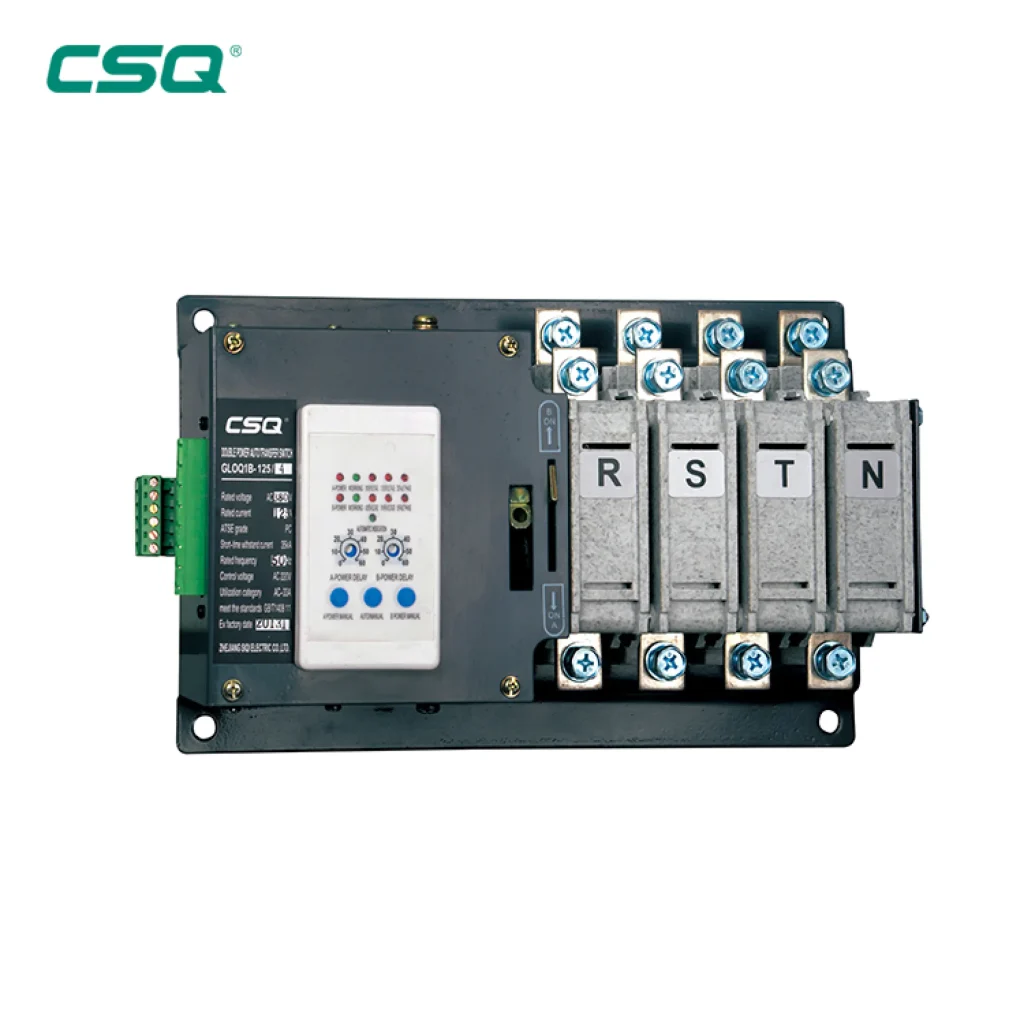
A dual-sensing transfer switchmonitors two power sources at once. It quickly shifts power from one source to another if one fails. This keeps machines and homes running without interruption.
It works by sensing the voltage and frequency of both power sources. If the main source has a problem, it switches to the backup source automatically. This switch is smooth and fast, preventing power loss.
| Key Components | Description |
|---|---|
| Voltage Sensors | Check the power levels of both sources. |
| Frequency Sensors | Detect if the power frequency is stable. |
| Control Unit | Decides when to switch power sources. |
| Switch Mechanism | Physically changes the power source connection. |
Advantages Over Traditional Switches
Dual-sensing transfer switchesoffer better reliabilitythan traditional switches. They can detect power changes from two sources at once. This allows them to switch power quickly and accurately.
These switches respond faster to power outages or surges. This means less downtime for devices and systems. The quick response helps protect sensitive electronics from damage.
- Improved reliabilityby monitoring two power sources simultaneously.
- Faster response timereduces power interruption periods.
- Enhanced safety featuresreduce the risk of electrical faults.
Safety is better with dual-sensing switches. They have built-in checks to avoid wrong switching. This prevents electrical hazards and keeps equipment safe.
Applications And Use Cases
Dual-sensing transfer switchesare useful in many places where power needs to be reliable. In residential settings, they help switch between utility power and backup generators smoothly. This keeps homes running during outages, protecting appliances and comfort.
In commercial buildings, these switches support critical systems like lighting, computers, and security. They ensure businesses stay open and safe even if the main power fails. This reduces downtime and loss.
Industrial facilitiesuse dual-sensing transfer switches to keep machines and production lines running. They monitor power sources and change quickly to backup power. This prevents costly stops and keeps workers safe.
Installation And Maintenance Tips
Proper setuprequires clear space around the switch for airflow. Use a level surfaceto mount the unit securely. Connect the power sourcescarefully, following the wiring diagram. Tighten all screws to avoid loose connections. Keep the switch dryand away from dust or moisture.
Routine checks include inspecting for corrosionor wear on terminals. Test the switch by simulating power loss. Listen for unusual noises during operation. Clean dust and debris from the unit gently. Make sure all indicator lights work properly.
Troubleshooting common issues involves checking power inputfirst. Reset the switch if it does not transfer power. Replace any damaged wiresimmediately. Look for blown fuses or tripped breakers. Consult the manual for error codes and follow the steps carefully.
Cost And Energy Efficiency
Initial investmentin a dual-sensing transfer switch can be higher than standard switches. This is due to its advanced sensing technology and added features. The cost varies based on the model and capacity. Despite this, many find it worthwhile for its benefits.
Long-term savingscome from reduced downtime and fewer service interruptions. It helps avoid costly repairs by automatically switching power sources. This switch also lowers energy waste, saving money on utility bills over time.
Energy management benefitsinclude better control over power usage. The switch senses power quality and switches to the best source. This leads to efficient use of energy and less wear on equipment. It supports a more stable and reliable power supply.

Credit: www.onesto-ep.com
Future Trends In Transfer Switch Technology
Smart integrationallows transfer switches to connect with home and building systems. This helps in quick decision-making during power changes. They can send alerts and status updates remotely. This feature improves reliabilityand ease of use.
Automation featuresmake transfer switches operate without manual help. They can switch power sources instantly during outages. This reduces downtime and protects sensitive devices. Some models learn usage patterns to optimize switching.
Sustainability focusdrives the use of energy-efficient designs. Transfer switches now support solar and battery power sources. They help reduce carbon footprints by managing clean energy better. Materials used are more eco-friendly and built to last longer.

Credit: aisikai.en.made-in-china.com
Frequently Asked Questions
What Is A Dual-sensing Transfer Switch?
A dual-sensing transfer switch monitors two power sources simultaneously. It ensures seamless switching between main and backup power. This enhances reliability and prevents power interruptions.
How Does Dual-sensing Improve Power Transfer?
Dual-sensing detects voltage and frequency from both sources continuously. It quickly switches to the stable source if one fails. This reduces downtime and protects connected equipment.
Where Are Dual-sensing Transfer Switches Commonly Used?
They are widely used in data centers, hospitals, and industrial facilities. These places require constant power without interruptions. Dual-sensing switches provide critical backup power solutions.
What Are The Benefits Of Dual-sensing Transfer Switches?
Benefits include increased power reliability, faster switching speed, and enhanced safety. They minimize equipment damage and reduce operational risks. This makes them ideal for sensitive applications.
Conclusion
A dual-sensing transfer switch helps keep power steady and safe. It quickly changes between power sources to avoid outages. This switch watches two signals to make smart decisions. It works well in homes, businesses, and places needing constant power. Choosing the right switch means fewer problems and less downtime.
Understanding how it works helps you pick the best option. Reliable power is easier with a dual-sensing transfer switch. Simple, smart, and effective.