Imagine a storm hits and suddenly, the power goes out. You’re left in the dark, your devices are useless, and the fridge is slowly warming up.
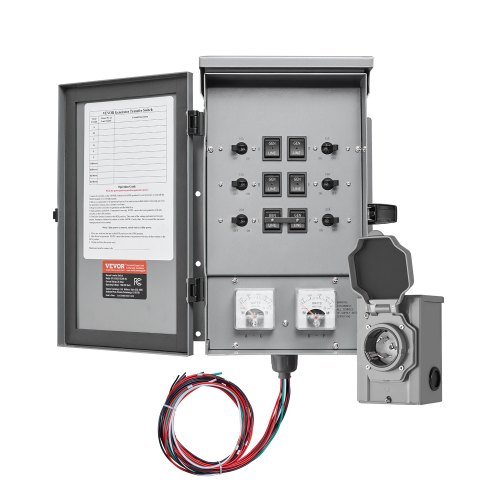
Frustrating, right? But what if there was a solution that could seamlessly switch your power source, ensuring you never have to deal with such inconveniences? Enter the duplex transfer switch. This nifty device is the unsung hero in power management, ensuring that your home or business stays powered up, even when the unexpected happens.
We will unravel the mystery of the duplex transfer switch, explaining what it is, how it works, and why it might just be the perfect addition to your backup power strategy. Stay with us to discover how you can keep the lights on and your life uninterrupted.
Duplex Transfer Switch Basics
A duplex transfer switchhelps move power between two sources safely. It ensures electricity flows without interruption. This switch is common in places needing constant power, like hospitals or data centers.
Core Functions
The switch automatically shifts power from the main source to backup during outages. It prevents power lossand protects devices from damage. It also allows easy manual switching when needed.
Key Components
- Switch mechanism:moves the power source connection.
- Control panel:manages automatic or manual switching.
- Indicators:show which power source is active.
Types Of Transfer Switches
| Type | Description | Use Case |
|---|---|---|
| Manual | Requires human action to change power source. | Simple setups with less critical power needs. |
| Automatic | Switches power source without delay when outage occurs. | Critical places like hospitals and emergency systems. |
Credit: www.powerequipmentforum.com
How Duplex Transfer Switch Works
A duplex transfer switch controls the flow of electricity between two power sources. It ensures power moves from the main source to a backup source without interruption. The switch detects when one source fails and quickly shifts to the other.
- Power Source Switching:The switch moves power from one source to another to keep devices running.
- Automatic vs Manual Operation:Some switches change power sources automatically, while others need a person to switch manually.
- Safety Mechanisms:Built-in safety features prevent power from flowing from both sources at once, avoiding damage.
Benefits Of Duplex Transfer Switch
Duplex transfer switcheshelp keep power flowing without interruption. They switch power sources automatically between the main supply and backup. This ensures continuous powerto important devices and systems.
These switches enhance system reliabilityby reducing the risk of power failure. They work quickly and smoothly, so machines and lights keep running. This makes them great for hospitals, data centers, and homes.
Using a duplex transfer switch also reduces downtime. Power cuts happen less often and last shorter. This means less trouble and higher safety for users.

Credit: www.amazon.ca
Applications In Different Settings
Duplex transfer switchesallow easy switching between two power sources.
In residential use, they keep homes powered during outages. They connect to both main power and a generator. This ensures continuous electricityfor lights and appliances.
In commercial buildings, these switches support critical systems like computers and security. They help avoid business interruptionsby switching power quickly.
Industrial facilitiesuse them to maintain heavy machinery operation. They prevent production delaysby keeping equipment running during power loss.
| Setting | Purpose | Benefit |
|---|---|---|
| Residential | Switch between grid and generator | Continuous home power |
| Commercial | Support critical systems | Prevent business downtime |
| Industrial | Keep heavy machinery running | Avoid production delays |
Installation And Maintenance Tips
Choosing the right duplex transfer switchdepends on your power needs and system compatibility. Consider the switch rating, voltage, and current capacity. Ensure it matches your generator and electrical panel specifications for safe operation.
Installation should follow local electrical codesstrictly. Place the switch in a dry, accessible areato allow easy access and prevent damage. Use proper wiringand secure connectionsto avoid faults or hazards.
Routine inspection and testing keep the switch working properly. Check for loose wires, corrosion, and signs of wear. Test switching function regularly to ensure automatic transferduring power outages. Replace parts showing damage promptly to maintain safety and reliability.
Common Issues And Troubleshooting
Duplex transfer switches often face common malfunctions. These include failure to transfer power, stuck contacts, and control circuit faults. Such issues can cause power interruptionsor equipment damage.
Diagnostic techniques include visual inspectionsfor burnt or damaged parts. Using a multimeterhelps check voltage and continuity. Testing the control logicensures proper switching commands. Listening for unusual noisescan also indicate mechanical problems.
Preventive measures keep the switch reliable. Regular cleaningremoves dust and debris. Tightening all connectionsprevents loose contacts. Scheduled testingverifies correct operation. Lubrication of moving parts reduces wear. Installing surge protectionguards against voltage spikes.
Future Trends In Transfer Switch Technology
Smart transfer switchesallow remote control and monitoring. They help users check power status from anywhere. These switches can send alerts if power fails. This feature helps fix problems quickly.
Integration with renewable energysources like solar and wind is growing. Transfer switches now work well with clean energy. They can switch between the grid and renewable power smoothly.
| Advancements in Automation | Benefits |
|---|---|
| Automatic fault detection | Detects problems fast to avoid damage |
| Self-testing functions | Ensures switches work correctly without manual checks |
| Seamless power transfer | Provides stable power with no interruptions |

Credit: rcworst.com
Frequently Asked Questions
What Is A Duplex Transfer Switch Used For?
A duplex transfer switch allows seamless switching between two power sources. It ensures continuous power supply during outages. It is commonly used in backup generator systems for homes or businesses.
How Does A Duplex Transfer Switch Work?
A duplex transfer switch automatically or manually switches power from the main source to backup. It isolates one source while connecting the other, preventing power backfeed. This ensures safe and reliable power transfer.
What Are The Benefits Of A Duplex Transfer Switch?
Duplex transfer switches provide reliable power backup, prevent electrical hazards, and reduce downtime. They offer easy switching between two power sources. This improves safety and efficiency in power management.
Where Can I Install A Duplex Transfer Switch?
Duplex transfer switches are installed in residential, commercial, and industrial electrical systems. They are usually placed near the main electrical panel or generator connection points. Proper installation ensures optimal performance and safety.
Conclusion
A duplex transfer switch helps keep power steady and safe. It quickly changes power sources when one fails. This switch protects machines and prevents damage. Homes and businesses both benefit from its use. Choosing the right switch can save time and money.
It offers peace of mind during power outages. Simple to use and reliable, it works quietly in the background. Understanding its role helps you make smart choices. A small device with a big impact on power safety.