Are you curious about how solar energy started its journey towards revolutionizing the way we think about power? First-generation solar cells are at the heart of this transformation.
These pioneering cells laid the foundation for harnessing the sun’s energy, turning it into electricity you can use in your everyday life. But what exactly makes first-generation solar cells so significant, and why should you care? This article will unravel the secrets of these trailblazing technologies, showing you how they work and why they still matter today.
Dive in, and discover how the roots of solar technology can impact your understanding of sustainable energy solutions.

Credit: www.researchgate.net
First Generation Solar Cells
First generation solar cells use silicon to convert sunlight into electricity. They are the most common and efficient type of solar panels today. These cells have a simple design and are widely used for residential and commercial energy.
Definition And Key Features
First generation solar cellsare made from silicon wafers. They are the oldest typeof solar cells. These cells have a high efficiencyin converting sunlight to electricity. They are rigid and durable. These cells work best in direct sunlight. They have a long lifespan. The main drawback is they are expensiveto make.
Historical Development
Solar cells started in the 1950s. They were first used in space satellites. Over time, their use spread to homes and businesses. Research has improved efficiency but the basic design stayed the same. The silicon wafertechnology remains the standard today.
Materials Used
| Material | Description | Role in Solar Cell |
|---|---|---|
| Monocrystalline Silicon | Pure single crystal silicon | High efficiency and durability |
| Polycrystalline Silicon | Multiple small silicon crystals | Lower cost, less efficient |
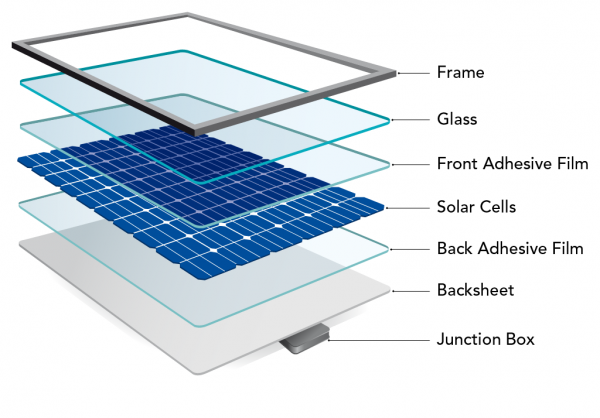
| Glass | Protective cover | Protects silicon from damage |
| Metal Contacts | Thin metal strips | Carry electrical current |

Credit: en.wikipedia.org
How They Work
First generation solar cells use the photovoltaic effectto produce electricity. This effect happens when sunlight hits a material like silicon. The light’s energy knocks electrons loosefrom atoms. These free electrons create an electric current.
Inside the solar cell, there are two layers of silicon. One layer has extra electrons (called n-type), and the other has fewer electrons (called p-type). The boundary between these layers is called the p-n junction. It helps separate the electrons and holes, pushing them to different sides.
The energy conversion processstarts when sunlight hits the cell. Light energy converts into electrical energy through electron movement. This current flows out of the cell and can power devices.
Types Of First Generation Solar Cells
Monocrystalline silicon cellsare made from a single, pure crystal. They have a uniform look and are dark in color. These cells offer high efficiencyand last a long time. They are more expensive because of the complex manufacturing process. Their performance is better in low light conditions, making them popular for many solar projects.
Polycrystalline silicon cellsconsist of many small silicon crystals. They have a speckled blue color and are less expensive to produce. These cells are slightly less efficient than monocrystalline ones but still work well for most uses. Their manufacturing is simpler, which keeps the cost down. They are a good choice when budget is important.

Credit: en.wikipedia.org
Advantages And Limitations
First generation solar cellsmainly use silicon wafers. They have high efficiency levels, usually around 15-20%. This means they convert a good amount of sunlight into electricity. These cells perform best under direct sunlight but can be less efficient in cloudy weather.
Cost factorsdepend on raw materials and manufacturing. Silicon wafers are expensive to produce. The process requires high purity, which raises costs. Installation is also a factor but tends to be simpler than newer types.
Durability and lifespanare strong points. These solar cells can last over 25 years. They resist weather changes and need little maintenance. Despite some efficiency loss over time, they remain reliable for long use.
Applications And Usage
First generation solar cellsare widely used in residential and commercialbuildings. They convert sunlight into electricity for homes and offices. These cells are durableand efficient, making them ideal for rooftops and solar farms. Many buildings use them to reduce energy bills and lower carbon footprints.
In space and satellite technology, first generation solar cells power satellites and space stations. Their high efficiency helps provide reliable energy in space. These cells work well in harsh environments with strong sunlight and no atmosphere. They keep satellites running smoothly for years.
Future Trends
Technological improvementsin first generation solar cells focus on boosting efficiencyand durability. Scientists work on better silicon materialsand new manufacturing methods. These changes help cells capture more sunlight and last longer under harsh weather.
The market outlookfor first generation solar cells shows steady growth. Demand rises as more people want clean energyand lower electricity costs. Prices are expected to drop due to mass production. Many countries support solar power with policies and incentives, helping the market expand faster.
Frequently Asked Questions
What Are First Generation Solar Cells?
First generation solar cells are traditional photovoltaic cells made from crystalline silicon. They offer high efficiency and durability but are relatively expensive to produce compared to newer technologies.
How Efficient Are First Generation Solar Cells?
These cells typically achieve efficiencies between 15% and 20%. Their efficiency depends on silicon quality and manufacturing precision, making them reliable for many solar applications.
What Materials Are Used In First Generation Solar Cells?
First generation solar cells mainly use monocrystalline or polycrystalline silicon. Silicon’s abundance and semiconductor properties make it ideal for converting sunlight into electricity efficiently.
Why Are First Generation Solar Cells Widely Used?
They have proven performance, high efficiency, and long lifespan. Despite higher costs, their reliability makes them the preferred choice for residential and commercial solar systems.
Conclusion
First generation solar cells use silicon to turn sunlight into electricity. They are common and have been used for many years. These cells work well but can be costly to make. Many homes and businesses still use them today. Understanding how they work helps us see solar power’s role.
Solar energy remains a clean and useful power source. Choosing the right solar cell depends on needs and budget. Solar technology keeps improving, but first generation cells stay important.