
Have you ever wondered exactly what is generated by solar panels and how it powers your home or devices? Understanding this can help you see why solar energy is becoming such a popular choice.
It’s not just about saving money on bills; it’s about tapping into a clean, renewable source of power that benefits you and the planet. Keep reading to discover what solar panels create, how it works, and why it might be the smart energy solution you’ve been looking for.
Solar Energy Basics
Solar panelschange sunlight into electricity. They use special parts called photovoltaic cells. These cells catch sunlight and create a flow of electricity. This power can run homes, lights, and machines.
Solar panels need sunlightto work best. They turn light into direct current (DC) electricity. An inverter changes this DC into alternating current (AC), which homes use.
| Type of Solar Panel | Features | Best Use |
|---|---|---|
| Monocrystalline | High efficiency, long lifespan | Limited space, high power needs |
| Polycrystalline | Lower cost, moderate efficiency | Large areas, budget-friendly |
| Thin-film | Flexible, lightweight | Unusual surfaces, portable use |

Credit: solarsme.com
Electricity From Sunlight
Solar panels change sunlight into electricity. This happens through the photovoltaic effect. Sunlight hits the solar cells made of special materials. These cells create direct current (DC)electricity.
But most homes use alternating current (AC). So, the DC electricity passes through a device called an inverter. It changes DC into AC power.
- Photovoltaic effect:Sunlight creates electric flow in solar cells.
- Direct current:Solar cells produce DC electricity first.
- Inverter:Converts DC to AC for home use.
- Alternating current:The type of electricity used in houses.
Benefits Of Solar Power
Solar powerhelps the environment by cutting down air pollution. It does not produce harmful gases like carbon dioxide. This means cleaner air and less damage to the planet. Solar panels use sunlight, a clean and endless energy source. They reduce the need for coal, oil, and gas. These fuels harm the earth and cause climate change.
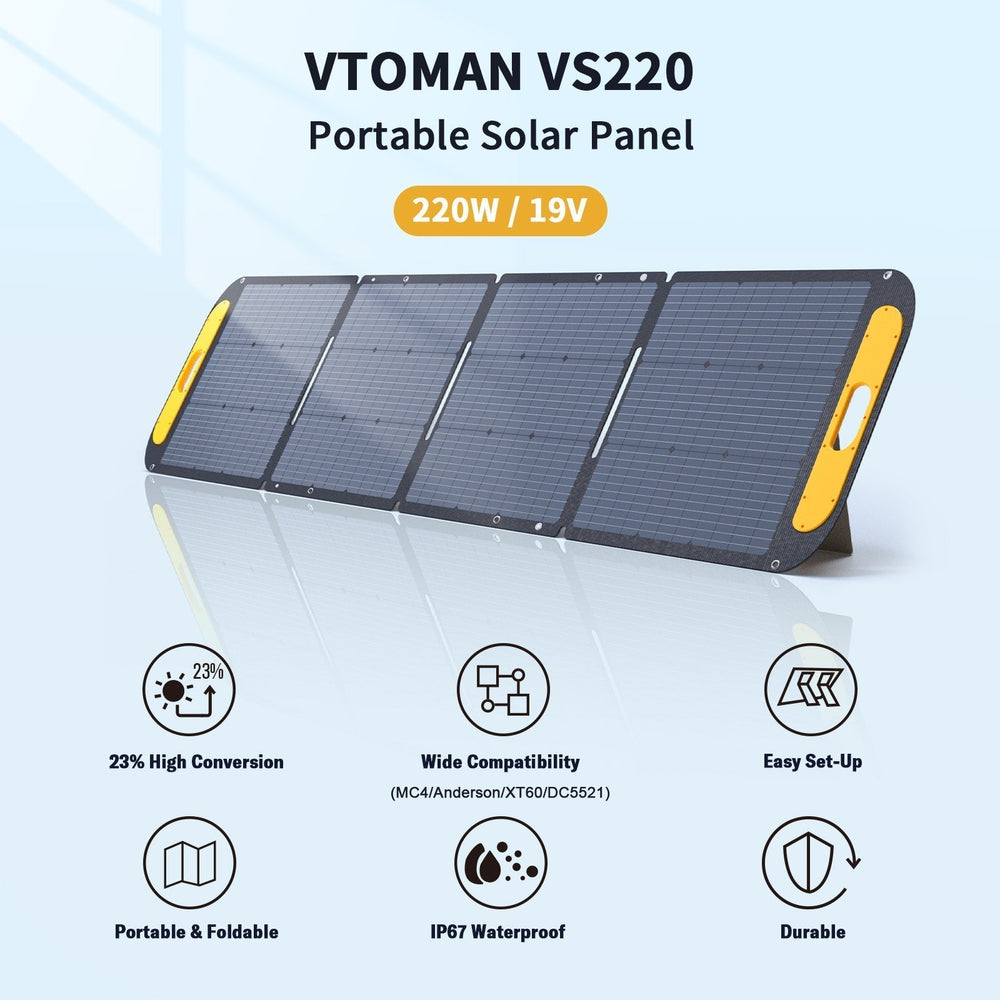
Using solar power saves money over time. After paying for panels, electricity bills drop a lot. Sunlight is free, so there is no charge for the energy it gives. Solar panels need little care, lowering maintenance costs. Many places offer tax creditsand incentives to help pay for solar systems.
Credit: vtoman.com
Applications Of Solar Energy
Solar panels produce electricity by converting sunlight into power. This clean energy can run homes, businesses, and devices. It helps reduce bills and lowers pollution.
Residential Use
Solar panels help homes save money on electricity bills. They work well on rooftops to power lights, fans, and small devices. Many families use solar water heaters to get hot water. Solar energy also helps charge batteries for backup power during outages.
Commercial And Industrial Use
Businesses use solar panels to lower energy costs and reduce pollution. Factories and offices run machines and lighting with solar power. It helps industries work even in places with unstable power supply. Solar energy supports large-scale operations efficiently.
Off-grid Solutions
Solar panels bring electricity to places far from cities. They power homes, schools, and clinics without wires. Many people use solar energy in remote areas for lighting and phone charging. It helps communities live better with clean energy.
Challenges And Limitations
Solar panelsdepend heavily on the weather. Clouds, rain, and snow reduce their ability to make electricity. They work best on sunny days. This limits power production during bad weather or at night.
Storing energy is another challenge. Batteries can keep power for later use but are expensiveand have limited capacity. Without good storage, extra energy may be wasted.
The initial costof solar panel systems is quite high. Buying and installing panels needs a big upfront investment. This cost can stop many people from choosing solar power.
Future Of Solar Energy
Solar energy technologyis improving fast. New panels capture more sunlight and work better in low light. Scientists create flexible and thin solar cells. These can fit on windows, clothes, and even cars. Batteries store solar power for use at night. Smart grids help share solar energy with many homes and buildings. This makes solar power more reliable and easy to use.
Solar energy use grows worldwide. Many countries build large solar farms. Homes and businesses add solar panels to save money. Governments offer help to buy solar systems. Solar power helps reduce pollution and fight climate change. People trust solar energy more because it is clean and free after installation.

Credit: brightblinkenergy.com
Frequently Asked Questions
What Energy Do Solar Panels Generate?
Solar panels generate direct current (DC) electricity from sunlight. This energy powers homes, businesses, and devices efficiently.
How Is Electricity Produced By Solar Panels?
Solar panels convert sunlight into electricity through photovoltaic cells. These cells absorb light and produce electrical energy instantly.
Can Solar Panels Generate Energy On Cloudy Days?
Yes, solar panels still generate energy on cloudy days. They produce less electricity but remain functional with diffused sunlight.
What Form Of Power Do Solar Panels Output?
Solar panels output direct current (DC) power. An inverter converts it to alternating current (AC) for home use.
Conclusion
Solar panels create clean energy from the sun. They generate electricity without pollution. This helps reduce reliance on fossil fuels. Solar energy is renewable and sustainable. It can power homes and businesses efficiently. Using solar panels lowers electricity bills. It’s a smart choice for the environment.
Installing solar panels benefits both people and nature. They provide a reliable energy source. More people are choosing solar energy today. It’s a step towards a greener future. Solar panels play a crucial role in energy independence. They make our world a better place to live.