
Are you tired of unexpected power outages disrupting your daily routine? If so, understanding generator battery capacity might just be the solution you need.
Imagine having a reliable backup system that kicks in effortlessly when the lights go out. By learning about generator battery capacity, you’ll not only gain peace of mind but also ensure that your essential appliances and devices stay powered. We’ll dive into the essentials of generator battery capacity, helping you make informed decisions for your home or business.
Stick around to discover how the right capacity can make all the difference in keeping your world running smoothly, even when the unexpected happens.

Credit: www.amazon.com
Generator Battery Capacity Basics
The batteryin a generator stores electrical energy. It helps start the engine by giving a quick power burst. Without a good battery, the generator will not start well or at all. The battery keeps the generator ready to work anytime.
Battery capacityshows how much energy the battery can hold. It is usually measured in ampere-hours (Ah). A higher capacity means the battery can provide power longer. Capacity depends on battery size and type.
| Battery Type | Common Use | Capacity Range (Ah) |
|---|---|---|
| Lead Acid | Most generators | 40 – 200 |
| Gel Cell | Longer life, sealed | 20 – 150 |
| Lithium Ion | Lightweight, expensive | 10 – 100 |
Factors Influencing Battery Capacity
Load requirementsaffect battery capacity by determining how much power is needed. The higher the load, the larger the battery must be to supply energy without draining quickly.
Generator sizeplays a role because bigger generators need bigger batteries. This ensures the battery can support the generator’s start-up and running power demands.
Usage durationmatters since longer run times require batteries with more capacity. This prevents the battery from running out before the generator stops.
Calculating Battery Capacity
Calculating battery capacity starts with estimating power needs. First, list all devices the generator will power. Note their wattage and how long each runs daily. This helps find total energy needed in watt-hours.
Voltage and ampere-hours are key numbers in battery specs. Voltage shows electric force. Ampere-hours (Ah) measure battery storage. Multiply voltage by Ah for total watt-hours (Wh). This tells how much energy the battery holds.
Adding safety marginsprotects against unexpected power use or battery aging. A good rule is to add 20-30% more capacity than the calculation. This keeps your generator running longer and safer.

Credit: www.amazon.com
Choosing The Right Battery
Check if the battery matches the generator’s voltage and power needs. A wrong battery may not work well or last long. Look for batteries designed for your generator type. Compatibility ensures safe and efficient operation.
Battery lifedepends on usage and build quality. Choose batteries with good durabilityto avoid frequent replacements. Sealed lead-acid and lithium-ion types often last longer. Proper maintenance also helps extend battery life.
| Cost Factor | What to Consider |
|---|---|
| Initial Price | Choose a battery within your budget but don’t compromise quality. |
| Long-term Value | Invest in batteries that last longer and need less maintenance. |
| Warranty | Check for warranty to protect against early failure. |
Maintaining Generator Batteries
Charging generator batteriesproperly ensures long life and reliable power. Use a charger that matches the battery’s voltage and capacity. Avoid overcharging as it can damage the battery. Check the charger settings regularly to keep them correct.
Store batteries in a cool, dry place. High heat or moisture can reduce battery life. Keep terminals clean and free from corrosion. Cover the battery terminals to prevent dirt and moisture buildup during storage.
- Battery won’t charge: Check charger connections and voltage.
- Battery drains quickly: Inspect for loose cables or faulty cells.
- Corroded terminals: Clean with baking soda and water solution.
- Battery swelling: Replace immediately to avoid leaks or damage.
Upgrading Battery Capacity
Upgrading battery capacityhelps your generator run longer and handle more devices. It is best to upgrade when the battery runs out fast or cannot power your tools well. A weak battery may cause your generator to stop suddenly.
Options for expanding capacity include adding extra batteries or replacing the old battery with a bigger one. Extra batteries can work together to supply more power. Choose the option that fits your budget and space.
- Longer run time without recharging
- Supports more devices at once
- Improves generator reliability
- Reduces the chance of power failure
Credit: www.genprosolutions.com
Frequently Asked Questions
What Does Generator Battery Capacity Mean?
Generator battery capacity indicates the total electric charge the battery can store. It is usually measured in ampere-hours (Ah). This value determines how long the battery can power the generator during startup or power outages. Higher capacity means longer backup and better performance.
How To Calculate Generator Battery Capacity?
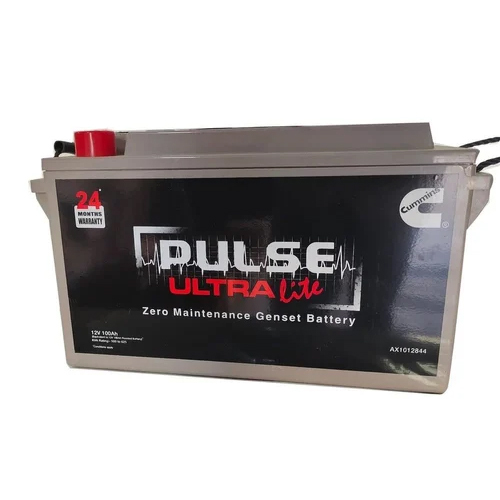
To calculate capacity, multiply the battery’s current (in amps) by the time (in hours) it can deliver that current. For example, a 12V battery rated at 100Ah can provide 100 amps for 1 hour or 10 amps for 10 hours.
This helps match battery size with generator needs.
Why Is Battery Capacity Important For Generators?
Battery capacity affects the generator’s starting reliability and backup duration. Insufficient capacity might cause startup failures or shorter power backup. Correct capacity ensures the generator runs smoothly during outages. It also extends battery life by avoiding deep discharges and overloading.
How To Choose The Right Battery Capacity For Generators?
Choose a battery with enough capacity to handle the generator’s startup current and run time needs. Check the generator’s specifications for required starting amps. Add extra capacity for longer backup and battery health. Always balance cost, size, and power requirements.
Conclusion
Generator battery capacity shows how long a battery can power devices. It depends on voltage and amp hours. Choosing the right capacity helps avoid power shortages. Too small a battery runs out quickly. Too large wastes money and space. Knowing capacity helps plan backup power well.
Always check battery specs before buying. A good battery keeps your generator running smoothly. Simple but important to keep your power safe. Understanding this keeps your home or work powered without stress.