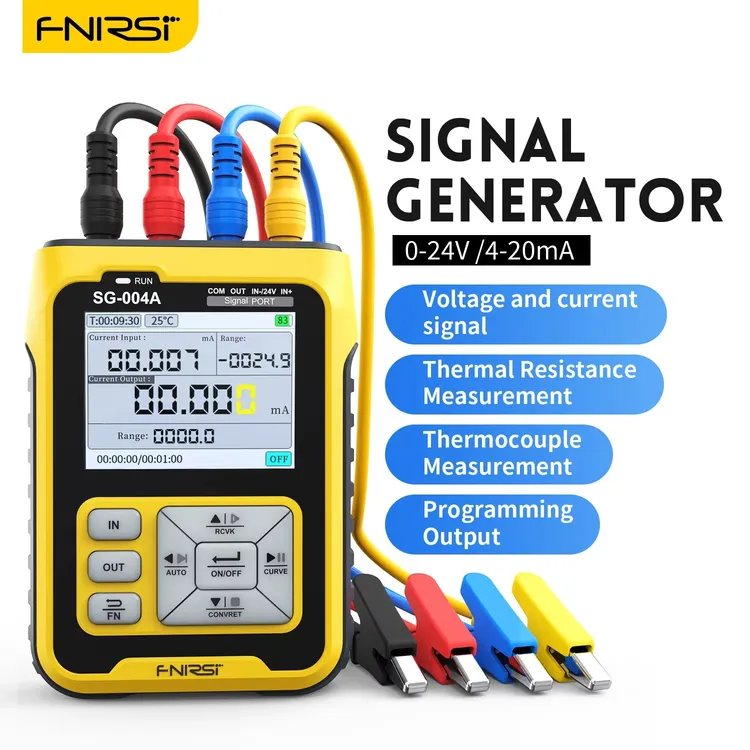
Have you ever wondered how modern devices seem to know exactly what you need, even before you do? The secret often lies in a tiny yet powerful component known as the generator multifunction sensor.
Imagine a single sensor that can perform multiple tasks, ensuring your gadgets are smarter, more efficient, and seamlessly integrated into your daily life. This little marvel could be the key to unlocking the full potential of your electronics, making them more responsive and intuitive.
You’ll discover what a generator multifunction sensor is, how it works, and why it might just revolutionize the way you interact with technology. Prepare to be amazed by how something so small can make such a big impact.
Generator Multifunction Sensor Basics
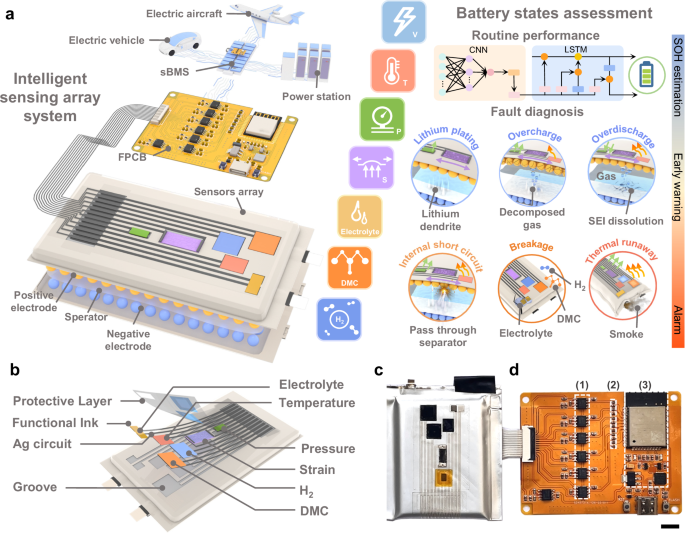
A generator multifunction sensoris a device that monitors many parts of a generator. It helps keep the generator safe and working well. The sensor checks things like temperature, pressure, and speed.
Core componentsinclude:
- Temperature sensor: measures heat levels
- Pressure sensor: tracks oil or fuel pressure
- Speed sensor: monitors engine speed
- Voltage sensor: checks electrical output
How it works:The sensor collects data from the generator parts. It sends this information to a control unit. The control unit uses the data to make sure the generator runs smoothly. If something is wrong, it alerts the user to fix it fast.
Credit: www.nature.com
Types Of Multifunction Sensors
Temperature sensorsmeasure heat levels in machines and environments. They help keep engines and devices from overheating or freezing. These sensors are vital for safety and performance in generators.
Pressure sensorsdetect force from gases or liquids. They ensure the generator works smoothly by monitoring oil, fuel, and air pressure. Low or high pressure can signal problems.
Voltage and current sensorstrack electrical flow and power. They help prevent damage by alerting about power spikes or drops. These sensors keep the generator’s output stable and safe.
Key Features And Capabilities
Real-time monitoringlets users see sensor data instantly. This helps catch problems fast. The sensor tracks multiple values at once, giving a full view.
Data accuracyis very important. The sensor uses precise parts to deliver correct readings. This ensures decisions are based on true information. Small errors are avoided.
Durability and reliabilitymean the sensor works well for a long time. It can handle tough conditions like heat, dust, and vibration. This makes it good for many places and uses.
Benefits Of Using Multifunction Sensors
Multifunction sensorsimprove generator performanceby measuring many factors at once. They help keep the generator running smoothly and avoid sudden breakdowns. Sensors detect changes in temperature, vibration, and fuel levels quickly.
These sensors support preventive maintenance. They warn about problems before they get worse. This saves time and effort by fixing issues early. Maintenance teams get alerts to check parts that may fail soon.
Cost savingscome from fewer repairs and less downtime. Using one sensor for many jobs lowers the need for extra devices. This reduces equipment costsand energy use. Reliable sensors help avoid expensive emergency fixes.
Applications In Various Industries
Generator multifunction sensors help industries monitor machine performance and detect faults early. They find use in manufacturing, automotive, and energy sectors for improved safety and efficiency. These sensors combine multiple functions to provide accurate and real-time data.
Power Generation
Generator multifunction sensorshelp control and monitor power plants. They track voltage, current, and temperature to keep generators safe. Sensors detect problems early, avoiding damage and downtime. These sensors improve efficiencyand reliabilityin power plants.
Manufacturing
In manufacturing, these sensors monitor machine health and performance. They measure speed, torque, and vibration to prevent breakdowns. Sensors help keep production lines running smoothly. This saves money by reducing maintenance costsand production stops.
Automotive
Cars use multifunction sensors for engine and battery management. Sensors check engine speed, battery charge, and temperature. This ensures the vehicle runs safely and efficiently. Sensors also support electric and hybrid vehiclesto optimize power use.

Credit: xshsmart.en.made-in-china.com
Installation And Integration Tips
Choose a spot for the sensor where it can detect all needed signals clearly. Avoid places near heavy machines or metal walls. These can block or change readings.
Check if the sensor works well with your generator and other devices. Match voltage and communication types for smooth work. Using the wrong type can cause errors.
Calibrate the sensor right after installation. Use the instructions to set accurate levels. Regular checks keep the sensor working correctly over time.
| Placement Strategies | Compatibility Considerations | Calibration Best Practices |
|---|---|---|
|
|
|
Future Trends And Innovations
Smart sensor technologyis making generators more efficient and reliable. These sensors can detect changes in temperature, pressure, and vibration quickly. They help prevent breakdowns by sending alerts early. Sensors are also getting smaller and cheaper, which means more devices will use them soon.
IoT integrationconnects sensors to the internet. This allows remote monitoring of generators from anywhere. Users can check the status and control the generator using their phone or computer. Data collected helps in better planning and maintenance.
AI-driven analyticsuses smart software to study sensor data. It finds patterns and predicts problems before they happen. This reduces downtime and saves money. AI also helps optimize fuel use and improve generator performance.

Credit: westinghouseoutdoorpower.com
Frequently Asked Questions
What Is A Generator Multifunction Sensor Used For?
A generator multifunction sensor monitors various engine parameters like temperature, pressure, and speed. It ensures optimal performance and safety by providing real-time data to the control system.
How Does A Generator Multifunction Sensor Improve Efficiency?
It detects engine conditions promptly, enabling timely adjustments. This reduces fuel consumption and prevents damage, enhancing the generator’s overall efficiency and reliability.
Can A Multifunction Sensor Prevent Generator Failures?
Yes, it alerts operators to abnormal conditions early. This helps in preventive maintenance, reducing unexpected breakdowns and extending the generator’s lifespan.
What Types Of Measurements Does The Sensor Provide?
The sensor measures temperature, oil pressure, coolant level, and RPM. These readings help maintain safe and efficient generator operation.
Conclusion
A generator multifunction sensor helps monitor many parts of a generator. It keeps the machine running safely and smoothly. This sensor detects problems early, saving time and money. It is easy to install and use. Knowing how it works can help you care for your generator better.
Sensors like this make power systems more reliable. They protect against damage and reduce downtime. Understanding these sensors benefits anyone using generators daily. Simple and effective technology for better generator performance.