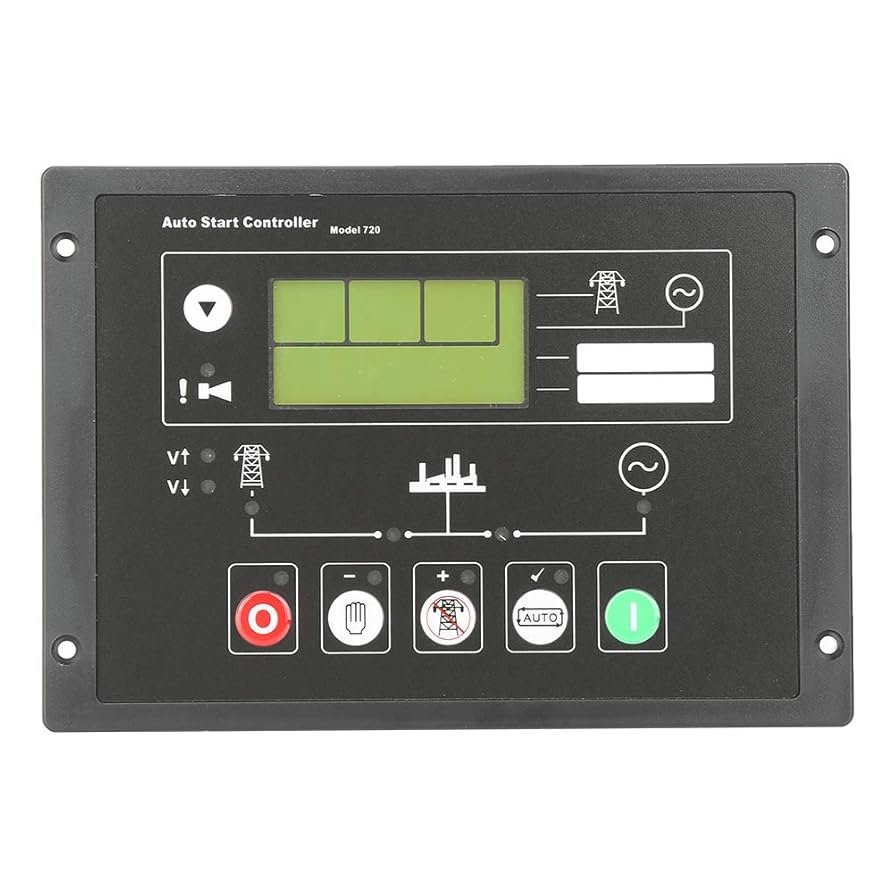
Have you ever wondered how you can manage your generator without being right next to it? Imagine having the power to start, stop, and monitor your generator from a distance.
That’s exactly what a Generator Remote Control Panel lets you do. Whether you use a generator for work, emergencies, or daily power needs, understanding this device can save you time and hassle. Keep reading to discover how it works and why it might be the perfect addition to your setup.

Credit: guangling.en.made-in-china.com
Generator Remote Control Panel Basics
A Generator Remote Control Panellets you operate a generator from far away. It shows important datalike fuel level, voltage, and engine status. You can start or stop the generator without going near it.
These panels help keep the generator safe by showing fault warnings. They also allow easy monitoringand control, saving time and effort.
Core Functions
- Start and stop the generator remotely
- Monitor voltage, current, and fuel level
- Display engine running hours
- Warn about faults or low fuel
- Control alarms and notifications
Common Components
- Display screen to show data
- Control buttons for commands
- Sensors for fuel, temperature, and voltage
- Communication module for remote access
- Power supply unit
Types Of Panels
| Type | Description | Use Case |
|---|---|---|
| Basic | Simple control with limited features | Small generators |
| Advanced | Full monitoring and automation | Large or critical generators |
| Wireless | Remote control via internet or radio | Difficult-to-access locations |

Credit: www.rvmp.co
How Remote Control Panels Work
Remote control panels use wired or wireless communicationto connect with generators. Wired connections include Ethernet or serial cables, offering stable and fast data transfer. Wireless options use Wi-Fi, Bluetooth, or cellular networks, allowing control from far away.
The user interfaceis simple and clear. It shows generator statuslike power output, fuel level, and warnings. Buttons or touchscreens let users start, stop, or adjustsettings easily.
| Integration Aspect | Details |
|---|---|
| Compatibility | Works with most generator brands and models |
| Data Sharing | Sends real-time data to control systems or apps |
| Automatic Functions | Can start or stop generator based on conditions |
Advantages Of Using Remote Control Panels
Remote control panelsmake managing generators much easier. They let users start or stop the generator without walking to the machine. This adds convenienceespecially in large areas or harsh weather.
Using a remote panel improves safety. Operators can control the generator from a safe place, away from noise and fumes. This reduces the risk of accidents and injuries.
Real-time monitoringshows the generator’s status instantly. Users can see fuel levels, power output, and any faults. This helps to keep the generator in good working order.
Remote troubleshooting allows fixing problems without being near the generator. Technicians can diagnose issues quickly and plan repairs. This saves time and reduces downtime.
Installation And Setup Tips
Choose a spot for the remote control panel that is easy to reach and see. Avoid places near heat or water sources. Keep it away from dust and dirt. Make sure the location allows for clear signals between the panel and the generator.
- Use cables that match the voltage and current needs.
- Connect wires firmly to avoid loose contacts.
- Follow the wiring diagram carefully.
- Keep wires organized to prevent damage.
- Ground the panel properly for safety.
Start by powering off the generator before setup. Connect the control panel to the generator according to the manual. Set parameters such as voltage, frequency, and start/stop settings. Test the remote panel functions to ensure proper communication. Adjust settings if needed for smooth operation.
Common Applications
Generator remote control panels help manage power from a distance. They are very useful in different places:
- Residential Use:Homeowners use these panels to control backup generators during power outages. They can start or stop the generator without going outside.
- Commercial Settings:Shops and offices rely on remote panels to keep their businesses running smoothly. These panels ensure power stays on for lights, computers, and security systems.
- Industrial Environments:Factories and large plants use remote control panels to manage big generators. They monitor performance and control operations safely from a control room.
Troubleshooting And Maintenance
Frequent issuesinclude panel not responding, wrong readings, and connection errors. Check wiring and power supply first. Loose wires can cause many problems. Faulty buttons or switches may stop commands from working.
Routine checks help keep the panel working well. Inspect cables and connectors for damage. Clean the panel surface to avoid dust buildup. Test all functions regularly to spot issues early. Replace batteries if the remote uses them.
When to seek professional help:
- The panel does not power on despite checks.
- Errors show on screen that can’t be fixed by reset.
- Unusual sounds or smells from the panel.
- Complex wiring or internal parts need repair.
- Frequent shutdowns or system instability.
Future Trends In Generator Control
Smart technology integrationallows easier monitoring and control of generators. Operators can check status and make changes using apps or computers. This leads to faster responses and less downtime.
Wireless advancementsreduce the need for cables. Wireless control panels offer more flexibility and easier installation. They also improve safety by keeping operators away from noisy, hot equipment.
Energy efficiency improvementshelp save fuel and reduce costs. New controls optimize generator use by adjusting power output to match demand. This prevents waste and lowers emissions.

Credit: a-ipower.com
Frequently Asked Questions
What Is A Generator Remote Control Panel?
A generator remote control panel allows users to monitor and control a generator from a distance. It provides real-time status updates and operational commands, enhancing convenience and safety. This panel is essential for managing generators in hard-to-reach or hazardous locations efficiently.
How Does A Generator Remote Control Panel Work?
It connects to the generator via wired or wireless communication. The panel sends commands and receives data like voltage, frequency, and runtime. Users can start, stop, and monitor the generator remotely, ensuring seamless operation without being physically present.
What Are The Benefits Of Using A Remote Control Panel?
Remote control panels improve safety by reducing direct contact with the generator. They offer convenience, save time, and allow quick responses to issues. Additionally, they help in preventive maintenance by providing real-time alerts and performance data.
Can A Generator Remote Control Panel Work With All Generators?
Most remote control panels are compatible with various generator brands and models. However, compatibility depends on the communication protocols and interfaces used. It’s crucial to verify the panel specifications match your generator’s requirements before purchasing.
Conclusion
Understanding generator remote control panels is essential for efficient operation. They simplify the management of power systems. With clear information, users can easily monitor generator performance. This ensures safety and reliability in power supply. Easy access to controls saves time and effort.
It also reduces the risk of errors. Investing in a quality remote control panel can improve efficiency. Suitable for both homes and businesses. These panels enhance user experience and convenience. Remember, a reliable power system is crucial for everyday activities.
Proper knowledge helps in making informed choices. Stay informed. Make smart decisions.