
Have you ever wondered how much solar energy Georgia can produce? Imagine tapping into the sun’s power right where you live, cutting your energy bills and helping the environment at the same time.
Georgia’s climate and location offer unique opportunities for solar energy that many people don’t realize. You’ll discover just how much solar power Georgia can generate and what that means for your home, business, and community. Keep reading to find out why solar energy could be a game-changer for you in Georgia.
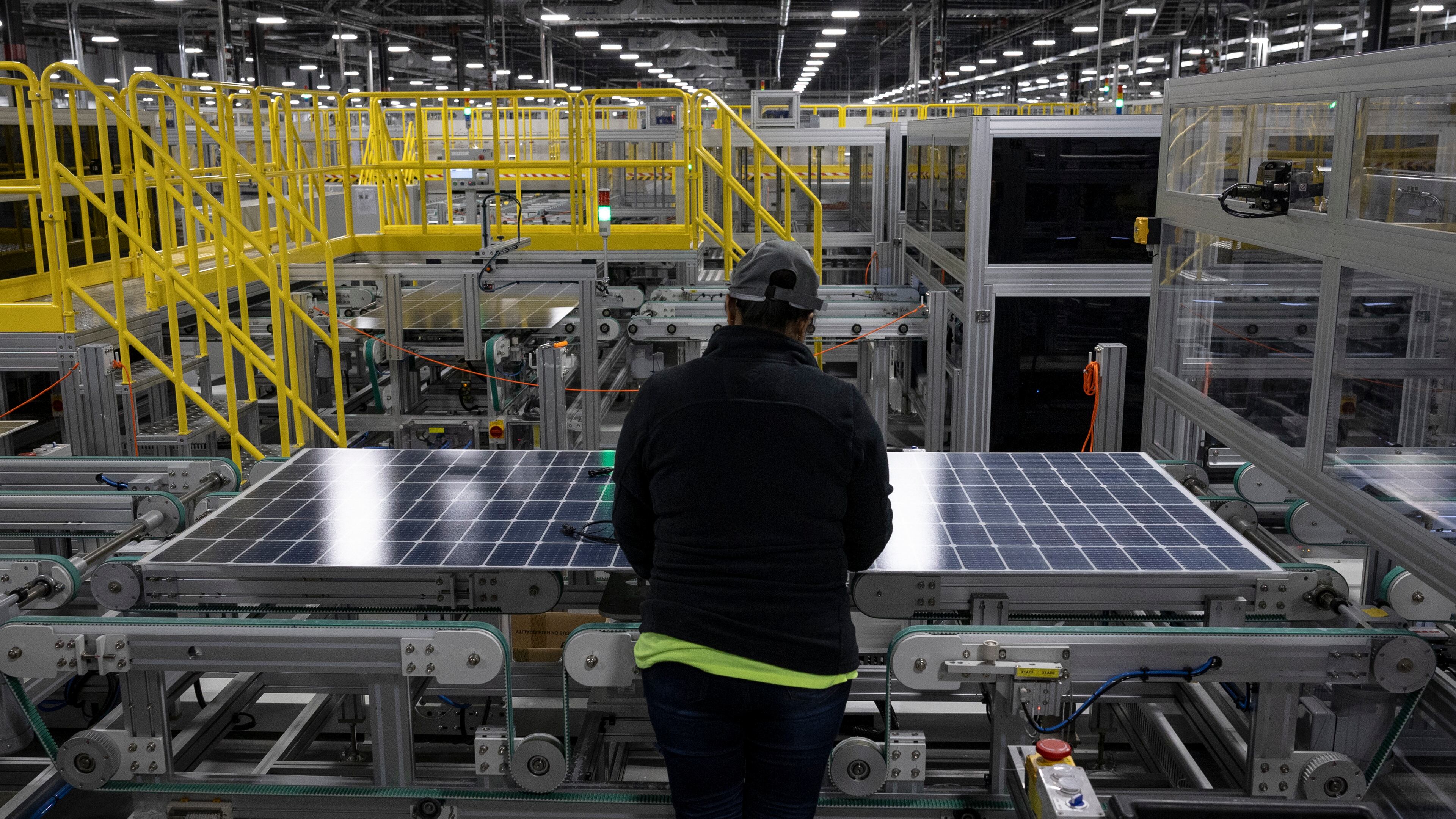
Credit: www.ajc.com
Solar Energy Landscape In Georgia
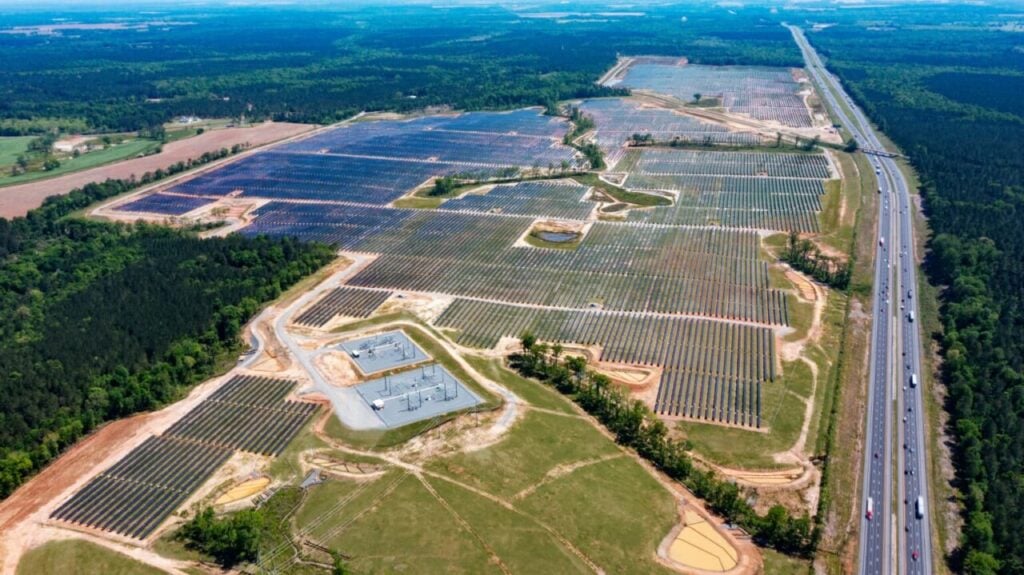
Georgia has a growing solar capacity. Many homes and businesses use solar panels. The state adds new solar projects every year. This growth helps reduce energy costs and pollution.
The geographic advantagesof Georgia support solar energy well. The state has large open spaces and sunny days. These conditions help solar panels work better. Also, land is available for solar farms.
| Factor | Details |
|---|---|
| Solar Radiation Levels | Georgia receives about 4 to 5 kWh/m²/day, ideal for solar panels. |
| Sunshine Hours | Average 220 sunny days per year, supporting consistent energy production. |
| Land Availability | Many open areas suitable for large solar installations. |
Credit: www.pv-tech.org
Factors Driving Solar Growth
Government incentivesplay a key role in solar energy growth in Georgia. Tax credits, rebates, and grants make solar projects more affordable for homes and businesses. These policies encourage more people to install solar panels.
Technological advanceshave made solar panels more efficient and cheaper. New materials and designs help capture more sunlight. This means more energy can be generated from fewer panels.
Economic benefitsattract many to solar energy. Lower electricity bills and job creation in the solar industry boost local economies. Solar power also reduces dependence on fossil fuels, saving money over time.
Challenges Facing Solar Expansion
Regulatory barriersslow down solar energy growth in Georgia. Strict rules and long permit times stop many projects. Some laws need updating to support solar power better.
Georgia’s infrastructure limitationsalso hold back solar expansion. The electric grid cannot handle large solar inputs yet. More upgrades are needed to connect solar farms safely and efficiently.
Low public awarenessabout solar benefits is another challenge. Many people don’t know how solar energy works. Education and outreach programs could help people understand and support solar power more.
Potential Solar Sites In Georgia
Urban rooftopsprovide large areas for solar panels. Many buildings have flat or sloped roofs that catch sunlight all day. Installing panels here saves space and uses existing structures. This option helps cities reduce energy costs and pollution.
Agricultural landscan also host solar farms. Some farms have extra space that gets plenty of sun. Solar panels can share land with crops or livestock. This helps farmers earn extra income while producing clean energy.
Unused public spaceslike parking lots, parks, and school grounds offer good solar potential. These areas often get direct sunlight and can support solar installations without disturbing daily activities. Using public land for solar energy benefits communities and lowers energy bills.
Impact On Georgia’s Energy Mix
Georgia’s solar energypotential can greatly change its energy mix. Solar power helps in reducing the carbon footprintby lowering greenhouse gas emissions. This means cleaner air and less harm to the environment. Solar energy also supports energy independence. It reduces the state’s need to buy energy from outside sources. This leads to more stable and local control over energy supplies.
Job creationis another key benefit. Solar projects create many jobs in installation, maintenance, and manufacturing. These jobs support local communities and economies. As more solar panels are installed, more workers are needed. This growth helps many people find steady work close to home.

Credit: solarsme.com
Future Outlook For Solar In Georgia
Georgia has strong potential to generate solar energy due to its sunny climate and open land. Solar power can grow quickly, supporting clean energy goals and saving costs. The state’s future looks bright for expanding solar energy use.
Emerging Technologies
Georgia is adopting new solar technologiesthat improve energy capture. Solar panels are becoming more efficientand cheaper. Battery storage systems help store energy for use at night. Smart grids allow better energy management. These advances make solar power more reliableand affordable for homes and businesses.
Policy Developments
State policies in Georgia support solar energy growth. Incentives and tax credits make solar installations more affordable. Renewable energy goals push utilities to buy more solar power. Net metering lets solar owners sell extra electricity back to the grid. These policies create a friendly environmentfor solar expansion.
Investment Opportunities
| Type | Description |
|---|---|
| Residential | Solar panels on homes reduce electricity bills. |
| Commercial | Businesses install large solar systems to cut costs. |
| Utility-Scale | Big solar farms supply power to many customers. |
| Research | Funding for solar tech innovation and efficiency. |
Frequently Asked Questions
What Is Georgia’s Solar Energy Capacity Potential?
Georgia has significant solar energy potential due to its abundant sunshine. The state receives about 213 sunny days per year, ideal for solar power generation. This makes solar energy a promising renewable resource for Georgia’s future energy mix.
How Much Solar Power Does Georgia Currently Generate?
As of now, Georgia ranks among the top solar producers in the Southeast. The state generates over 2,000 megawatts of solar power, powering thousands of homes. Solar capacity continues to grow rapidly due to favorable policies and investments.
What Benefits Does Solar Energy Bring To Georgia?
Solar energy reduces carbon emissions and lowers energy costs in Georgia. It creates jobs in installation, manufacturing, and maintenance sectors. Additionally, it enhances energy independence and supports sustainable economic growth in the state.
Are There Government Incentives For Solar In Georgia?
Yes, Georgia offers tax credits, rebates, and net metering benefits for solar users. These incentives reduce upfront costs and improve solar project returns. The state’s supportive policies encourage residents and businesses to adopt solar energy.
Conclusion
Georgia holds strong potential for solar energy development. The state’s sunny weather provides an advantage. This can help reduce energy costs and reliance on fossil fuels. Investing in solar technology can create jobs. It also supports a healthier environment. Communities benefit from cleaner air and new opportunities.
Solar energy can power homes and businesses efficiently. It offers a sustainable path for future growth. Georgia’s solar potential is promising and worth exploring. Embracing this energy source can lead to a brighter future.