
Have you ever wondered how heat builds up inside a solid object? Whether it’s your phone getting warm after a long call or the way a metal rod heats up when placed near a flame, heat generation in solids plays a crucial role in everyday life.
Understanding this process can help you grasp how energy moves and changes form around you. You’ll discover what heat generation in solids really means, why it happens, and see clear examples that make the concept easy to understand. Keep reading, and you’ll unlock insights that explain a common but fascinating part of the physical world.

Credit: energyeducation.ca
Heat Generation In Solids
Heat generation in solidshappens when energy changes inside the material. This energy turns into heat.
One way heat is made is through friction. When two solid surfaces rub together, they get hot. Another cause is electric current. When electricity flows through a solid, it can heat up due to resistance.
Some solids produce heat by chemical reactionsinside them. For example, burning coal or wood creates heat in solid form. Mechanical deformationalso causes heat; bending or compressing solids can raise their temperature.
| Source of Heat | Example | How It Happens |
|---|---|---|
| Friction | Rubbing hands | Surfaces rub and create heat |
| Electric Current | Heating element | Electricity flows and resists |
| Chemical Reaction | Burning coal | Reaction releases heat |
| Mechanical Deformation | Bending metal | Energy turns into heat |
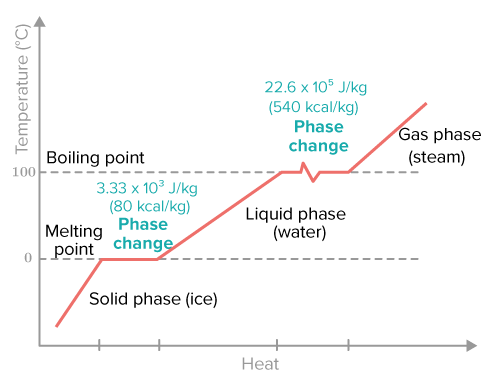
Credit: flexbooks.ck12.org
Common Causes Of Heat In Solids
Frictional heatinghappens when two solid surfaces rub together. The rubbing causes tiny movements that make heat. This heat can make things warm or even hot.
Electrical resistancecreates heat when electric current flows through a solid. The solid resists the flow, and energy turns into heat. This is how toasters and heaters work.
Chemical reactionsinside solids can give off heat. For example, burning coal or rusting iron produces heat by changing chemicals in the solid.
Mechanical deformationmeans bending, stretching, or compressing a solid. This action can make atoms move faster and create heat. It happens when metals are hammered or pressed.
Examples Of Heat Generation
Metal rodsheat up when electric current passes through them. This happens because the moving electrons bump into atoms inside the rod. The bumps create friction, which turns electric energy into heat. This process is called Joule heating. It is used in electric heaters and to test materials.
Electrical circuitsalso produce heat. Tiny wires and parts inside circuits carry current. As current flows, some energy turns into heat due to resistance. This heat can cause parts to get warm or even fail if not controlled well.
Batteriesgenerate heat during charging and use. Chemical reactions inside batteries create electric energy but also produce heat. If a battery is charged too fast or used a lot, it may get hot.
Machinery partslike gears and bearings heat up due to friction. Moving parts rub against each other, making heat. This is why machines need oil or cooling to stop overheating.
Impact Of Heat On Solid Materials
Thermal expansionmeans solids get bigger when heated. Most materials expand a little. This can cause cracks or bends in objects like bridges or rails.
Material fatiguehappens when solids change shape after many heat cycles. Metals may weaken and break after repeated heating and cooling. This is a common problem in engines and machines.
Structural changesoccur inside solids due to heat. Some materials change their form or hardness. For example, heating steel can make it softer or harder depending on the temperature.
Methods To Control Heat Generation
Cooling techniques help remove heat from solids to keep them safe. Fans and heat sinks are common tools used to move heat away. Liquid cooling uses water or other fluids to absorb heat quickly. This stops parts from getting too hot and breaking. Cooling works best when air flows well around the solid.
Material selection plays a key role in heat control. Metals like copper and aluminum conduct heat fast and spread it out. Plastic and ceramics hold heat more, which can be bad or good depending on the use. Choosing the right material helps manage heat better and keeps the solid working well.
Design improvements can reduce heat build-up inside solids. Adding fins or ribs on surfaces increases area for heat to leave. Making parts thinner or hollow lowers how much heat stays inside. Good design also helps air or liquid flow better around hot parts.
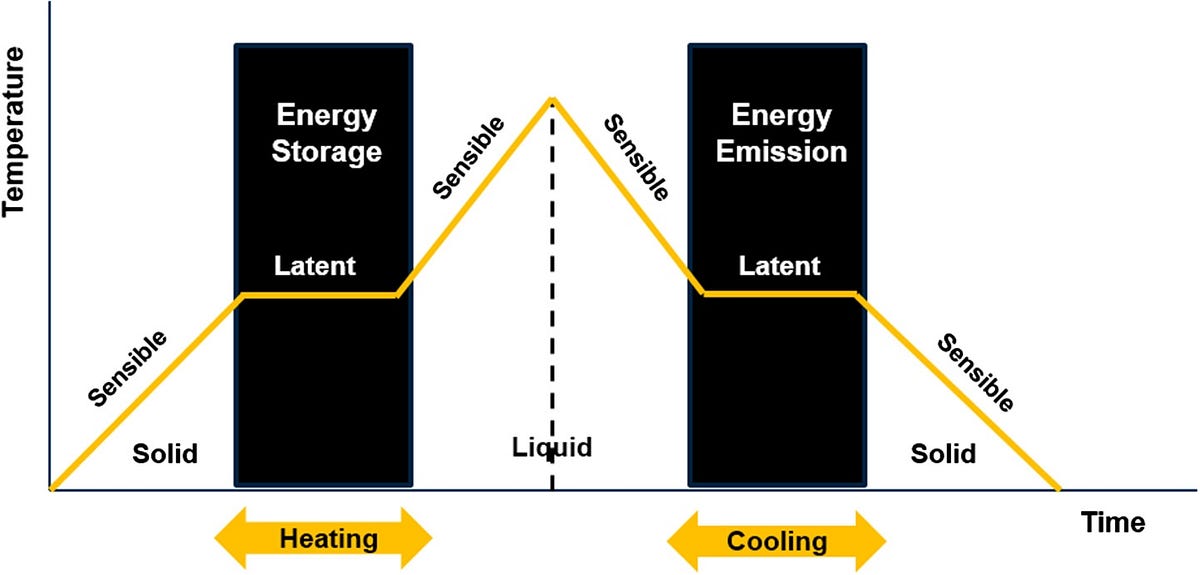
Credit: medium.com
Frequently Asked Questions
What Causes Heat Generation In Solids?
Heat generation in solids occurs due to internal friction, electrical resistance, or chemical reactions. These processes convert energy into heat within the material.
How Does Electrical Resistance Generate Heat In Solids?
Electrical resistance causes heat when current flows through a solid. The resistance converts electrical energy into thermal energy, warming the material.
What Are Common Examples Of Heat Generation In Solids?
Examples include friction between solid surfaces, Joule heating in wires, and heat from chemical reactions in batteries or fuel cells.
How Does Friction Lead To Heat In Solids?
Friction between solid surfaces converts mechanical energy into heat. This increases the temperature at the contact point between the solids.
Conclusion
Heat generation in solids is a key concept in science. It impacts various industries and everyday life. Understanding it helps in better material selection. Metals, for example, generate heat when conducting electricity. Friction in machines also causes heat. These examples show practical applications.
Awareness of heat generation can lead to improved energy efficiency. This knowledge aids in designing safer and more efficient products. Grasping these basics offers a foundation for further learning. It’s important for both students and professionals. Stay curious and keep exploring the fascinating world of heat dynamics.