Ever found yourself in a situation where your power needs are beyond what a regular extension cord can handle? You might have heard about heavy-duty generator cords, but what exactly are they, and why should you care?
Imagine this: you’re planning an outdoor event or preparing for an unexpected power outage. The last thing you need is to be left in the dark or have your equipment fail because of inadequate power supply. Understanding what a heavy-duty generator cord is could be the key to ensuring your power needs are met efficiently and safely.
Intrigued? Let’s dive into the details and discover why this might be the missing link in your power setup.

Credit: www.amazon.ca
Heavy-duty Generator Cord Basics
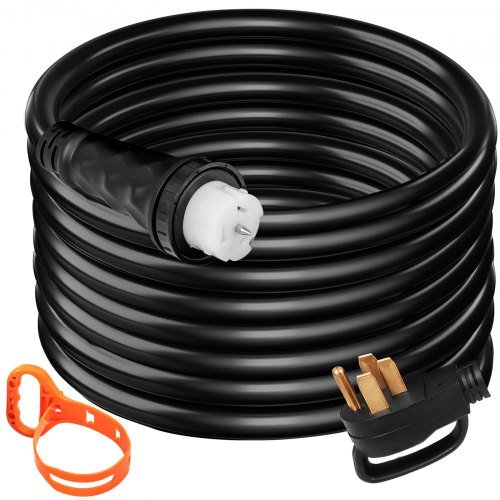
A heavy-duty generator cordcarries high power safely. These cords connect generators to devices or homes. They are built to handle large electrical loads without overheating or breaking.
Cord typesvary by thickness and power rating. Common ratings include 10, 12, or 14 gauge wires. Thicker wires carry more amps and are safer for heavy use.
| Key Materials | Description |
|---|---|
| Copper | Excellent conductor; flexible and durable |
| Rubber Insulation | Protects wire; resists heat and moisture |
| Plastic Jacket | Added layer for outdoor use and durability |
Common sizes include 10, 12, and 14 gauge. Lengths range from 10 to 50 feet. Longer cords may reduce power flow, so size matters.

Credit: www.amazon.ca
Choosing The Right Cord
Choosing the right heavy-duty generator cordis key for safety and performance. Match the cord’s capacity with your generator’s power output. Using a cord with too low capacity can cause overheating or damage.
Check the voltage and amperage ratingson the cord. These must meet or exceed your generator’s output to handle the electrical load safely. For example, a 30-amp generator needs a cord rated for at least 30 amps.
Connector typesmust fit both the generator and the device or panel you connect to. Common types include NEMA L14-30 and TT-30. Using the wrong connectors can cause poor connections or electrical hazards.
- Match cord gauge (thickness) with amperage
- Verify voltage rating matches generator output
- Choose compatible connector plugs
- Use cords marked for outdoor or heavy-duty use
Safety Features To Look For
Insulationprotects the cord from damage and stops electric shocks. Weather resistancemeans the cord can handle rain, sun, and cold. These features make the cord safe for outdoor use.
Groundinghelps prevent electric shock by sending extra electricity safely to the ground. Circuit protectionstops the cord from overheating or catching fire if too much power flows through.
- Do not plug in too many devices to avoid overloads.
- Short circuitshappen if wires touch each other; circuit protection helps stop this.
- Use cords with built-in safety features to keep devices and people safe.
Proper Usage Tips
Handle cords carefullyto avoid damage. Do not pull cords by the wire; always pull from the plug. Avoid stepping on or running over the cord. Keep cords away from sharp edges and hot surfaces to prevent wear and tear.
Stay alert to common hazards. Do not use cords with cracks or exposed wires. Avoid using cords in wet areas to prevent electric shock. Do not overload the cord beyond its rated capacity. Use cords that match the power needs of your generator.
Store cords properly to extend their life. Coil cords loosely to prevent kinks. Keep them in a dry, cool place away from sunlight. Regularly inspect and clean cords before and after use. Replace cords that show signs of damage or wear.
Troubleshooting Common Issues
Identifying cord damageis key to safe generator use. Look for cuts, cracks, or exposed wires. Check connectors for rust or bending. Feel along the cord for stiffness or soft spots. These signs mean the cord is weak and unsafe.
Power fluctuationscan come from cord issues. Loose connections cause sparks or flickering power. Damaged cords may not deliver steady electricity. Make sure plugs fit tight. Avoid using cords that cause lights to dim or buzz.
When to replace your cord:
- Visible cuts or deep cracks on the insulation
- Burn marks or melted areas near plugs
- Exposed wires that can cause shocks
- Frequent power drops or sparks
- Stiffness or brittleness that leads to breakage
Using a damaged cord risks injury or fire. Replace cords at the first sign of damage.
Upgrading Your Generator Setup
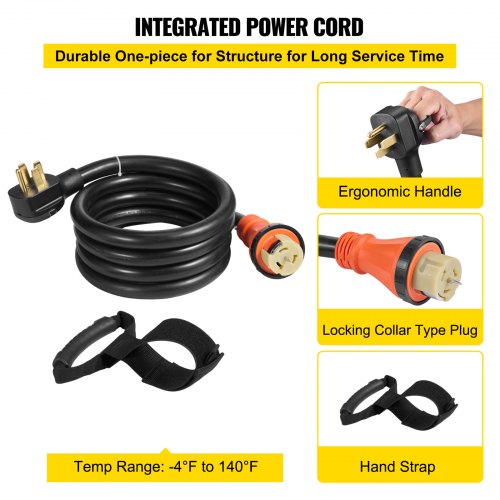
Upgrading your generator setup often means improving power distribution. Heavy-duty generator cords help by carrying more electricity safely. These cords are thick and strong, made to handle high power loads without overheating or breaking.
Using extension cords safely is key. Choose cords that match the generator’s power output. Avoid thin or damaged cords to stop electric shocks or fires. Always connect cords properly and avoid running them under rugs or through water.
Smart accessories can make your setup more efficient. Items like power metershelp you check electricity use. Surge protectors guard your devices from sudden power spikes. Using these tools can keep your generator and appliances safe and working well.
Credit: www.vevor.ca
Frequently Asked Questions
What Is A Heavy-duty Generator Cord Used For?
A heavy-duty generator cord connects generators to appliances or transfer switches. It safely carries high electrical loads without overheating or damage.
How Do I Choose The Right Heavy-duty Generator Cord?
Select a cord with the correct gauge, length, and plug type. Ensure it matches your generator’s power output and appliance requirements.
Can Heavy-duty Generator Cords Be Used Outdoors?
Yes, they are designed for outdoor use. Heavy-duty cords have durable insulation to resist weather, moisture, and rough handling.
Why Is Wire Gauge Important In Generator Cords?
Wire gauge determines the cord’s capacity to carry current safely. Thicker wires (lower gauge) handle more power and reduce voltage drop.
Conclusion
Heavy-duty generator cords carry more power safely and efficiently. They connect generators to appliances without overheating. Choosing the right cord size prevents damage and power loss. Quality cords last longer and resist wear and tear. Using these cords ensures your generator works well in tough situations.
Always check the cord’s rating before use. This keeps your home and devices safe during power outages. Understanding these cords helps you prepare better for emergencies. Safety and reliability matter most with heavy-duty generator cords.