Imagine harnessing the power of the sun to light up your home, charge your devices, and even power your car. Sounds futuristic, right?
Yet, this is exactly what solar electricity generation offers you today. If you’ve ever wondered how those shiny panels on rooftops turn sunlight into electricity, you’re in the right place. By understanding solar electricity generation, you unlock a world of eco-friendly energy and potential savings.
Dive into this article to discover how you can make the sun work for you, and why it might just be the smartest move for your energy needs. Stick around, and you’ll see how easy and beneficial it is to switch to solar power.

Credit: ieefa.org
Basics Of Solar Electricity
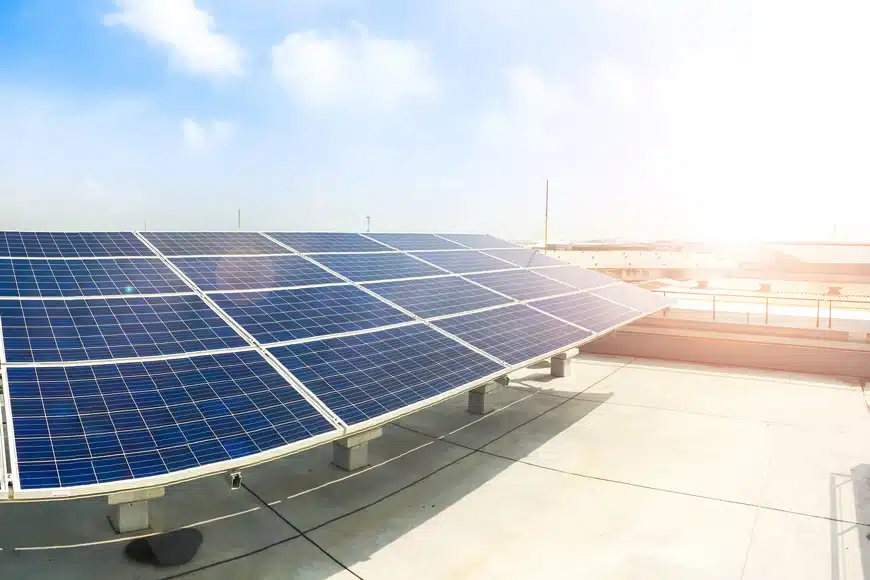
Solar panels change sunlight into electricity using special materials. These materials create an electric current when sunlight hits them. This process is called the photovoltaic effect. The panels are made of many small units called solar cells. Each cell captures sunlight and turns it into power. Wires inside the panel carry this power to your home or battery.
Different types of solar technologies exist. Each type has its own way to catch sunlight and make power.
| Type | Description | Common Use |
|---|---|---|
| Monocrystalline | Made from single crystal silicon, very efficient | Homes and businesses |
| Polycrystalline | Made from multiple silicon crystals, less costly | Residential rooftops |
| Thin-film | Lightweight, flexible, less efficient | Large areas, portable devices |

Credit: www.hurriyetdailynews.com
Solar Energy Conversion
The photovoltaic effecthappens when sunlight hits a solar cell. This light energy knocks electrons free from atoms inside the cell. These free electrons create an electric current. The solar cell is made of materials like silicon, which help capture sunlight and turn it into electricity.
Electricity from solar cells is direct current (DC). Most home appliances use alternating current (AC). This is where inverters play a key role.
- Inverterschange DC electricity into AC electricity.
- They make solar power usable for houses and buildings.
- Modern inverters also improve energy efficiency.
- Some can monitor the system and detect problems early.
Benefits Of Solar Power
Solar powerhelps reduce harmful gases in the air. It uses the sun, which is clean and endless. This means less pollution and a healthier planet. Solar panels don’t make noise or waste water. They also save nature by cutting down on mining and drilling. This keeps forests and animals safe. Using solar energy helps fight climate change. It lowers the amount of carbon dioxide released. The environment stays cleaner and safer for everyone.
Solar energy also brings many economic benefits. It lowers electricity bills for homes and businesses. Once installed, solar panels need little care or cost. They can last for decades, saving money over time. Solar jobs create work for many people in your community. These jobs include making, installing, and fixing solar panels. Solar power can increase the value of a home too. It helps protect families from rising energy prices.
Solar System Components
Solar panelscatch sunlight and turn it into electricity. A group of panels is called an array. Arrays can be small for homes or large for power plants.
Batteriesstore energy for use when the sun is not shining. They help keep power steady day and night. Storage is key for reliable solar power.
Mounting systemshold panels in place. Tracking systemsmove panels to follow the sun’s path. This boosts energy capture by keeping panels at the best angle.
Installation And Maintenance
Choosing the right place for solar panels is very important. A site assessmentchecks sunlight hours, roof angle, and shade. It helps find the best spot to get maximum power. Experts measure the roof size and look for obstacles like trees or buildings.
Some common challenges include weather changes and dirt buildup. Dust, leaves, or snow can block sunlight. Wiring problems and worn-out parts may reduce electricity output. Repairs might need a professional for safety and efficiency.
- Clean panels regularly to keep them working well.
- Check connections for loose wires or damage.
- Trim nearby trees to avoid shade.
- Inspect panels after storms or heavy wind.
- Schedule yearly professional check-ups for long life.
Solar Power Applications
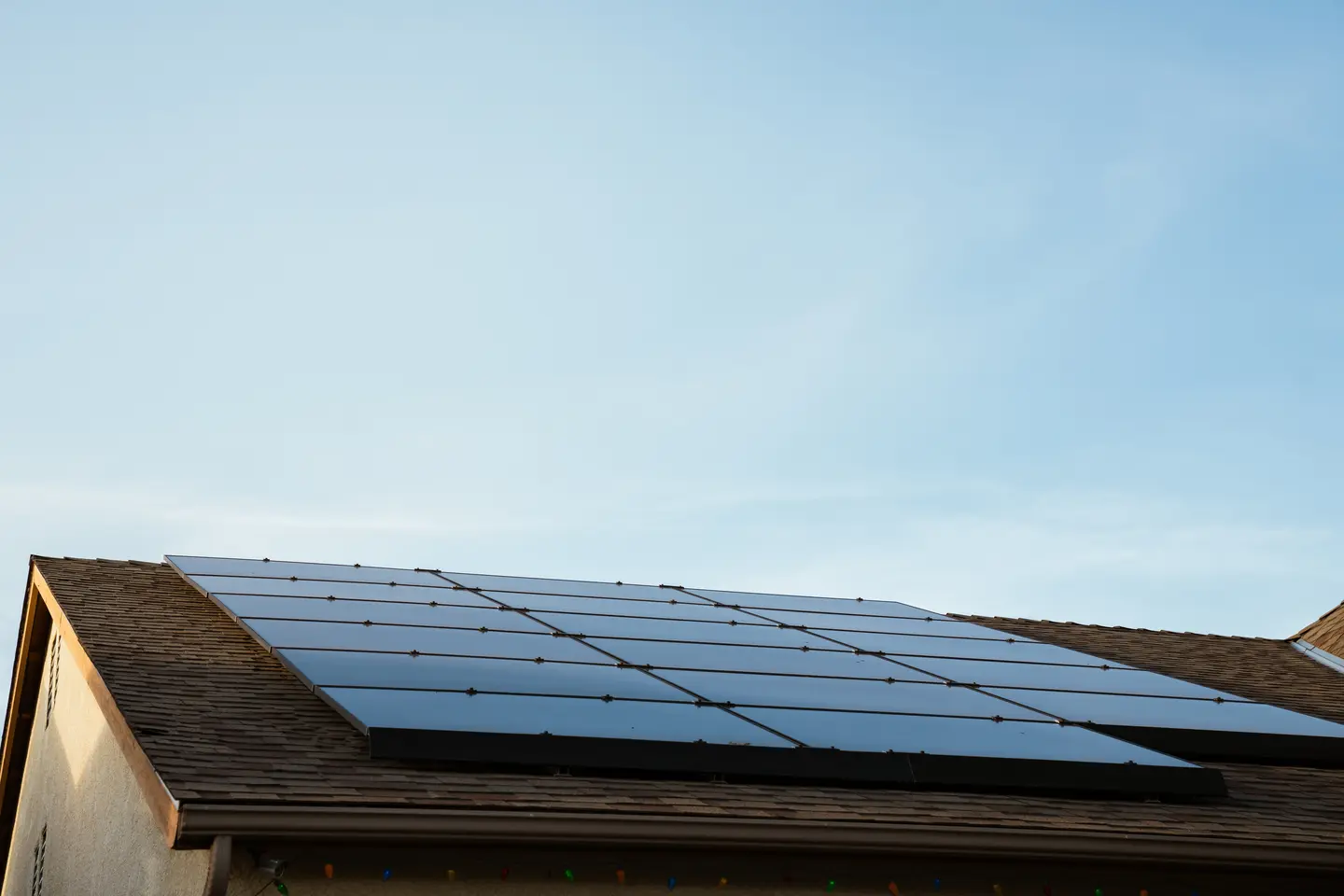
Residential solar powerhelps households save on electricity bills. Solar panels on rooftops capture sunlight and turn it into energy. This clean energy powers lights, appliances, and heating systems. Solar batteries store extra energy for use at night or cloudy days. Many homes use solar water heaters to reduce gas or electric use. Solar systems can increase home value and reduce carbon footprint.
Commercial and industrial solar systemsprovide big savings on energy costs. Large solar arrays supply power to offices, factories, and warehouses. They help businesses run machines and lighting with clean energy. Solar can lower operating expenses and improve sustainability goals. Companies may also sell extra power back to the grid for profit. Solar helps industries reduce pollution and meet regulations.
Off-grid solar solutionswork in remote places without power lines. Solar panels, batteries, and inverters create a complete power system. These setups power cabins, farms, and emergency shelters. Off-grid solar offers independence from utility companies. It is reliable and eco-friendly, especially in sunny regions. Systems vary in size from small kits to large setups.
Future Of Solar Energy
Emerging technologiesin solar energy are making panels more efficient and cheaper. New materials like perovskite help capture more sunlight. Transparent solar cells can be added to windows. Solar panels are becoming flexible and lighter. Energy storage is improving with better batteries. This lets homes use solar power even at night. Smart grids help balance energy supply and demand. These innovations aim to make solar energy more reliable and widespread.
Policy and incentivesplay a big role in solar energy growth. Governments offer tax credits and rebates to lower costs. Some places have rules that require solar on new buildings. Feed-in tariffs pay people for extra electricity they produce. Net metering lets users send unused power back to the grid. These policies encourage more people and businesses to choose solar power.
Credit: www.sunrun.com
Frequently Asked Questions
What Is Solar Electricity Generation?
Solar electricity generation converts sunlight into electrical energy using solar panels. It is a clean, renewable energy source that reduces dependence on fossil fuels and lowers carbon emissions.
How Do Solar Panels Produce Electricity?
Solar panels use photovoltaic cells to absorb sunlight. These cells convert sunlight directly into direct current (DC) electricity, which is then transformed into usable alternating current (AC) electricity.
What Are The Benefits Of Solar Electricity?
Solar electricity is renewable, reduces energy bills, and lowers greenhouse gas emissions. It also increases energy independence and requires minimal maintenance after installation.
Can Solar Electricity Work On Cloudy Days?
Yes, solar panels can still generate electricity on cloudy days. However, their efficiency decreases because less sunlight reaches the panels compared to sunny conditions.
Conclusion
Solar electricity uses sunlight to create clean energy. It helps reduce bills and protects the environment. Many homes and businesses now use solar panels. This technology grows more affordable every year. People can depend on solar power for daily needs.
It offers a smart way to save money and energy. Choosing solar means choosing a brighter, greener future. Simple, safe, and reliable—solar energy works for everyone.