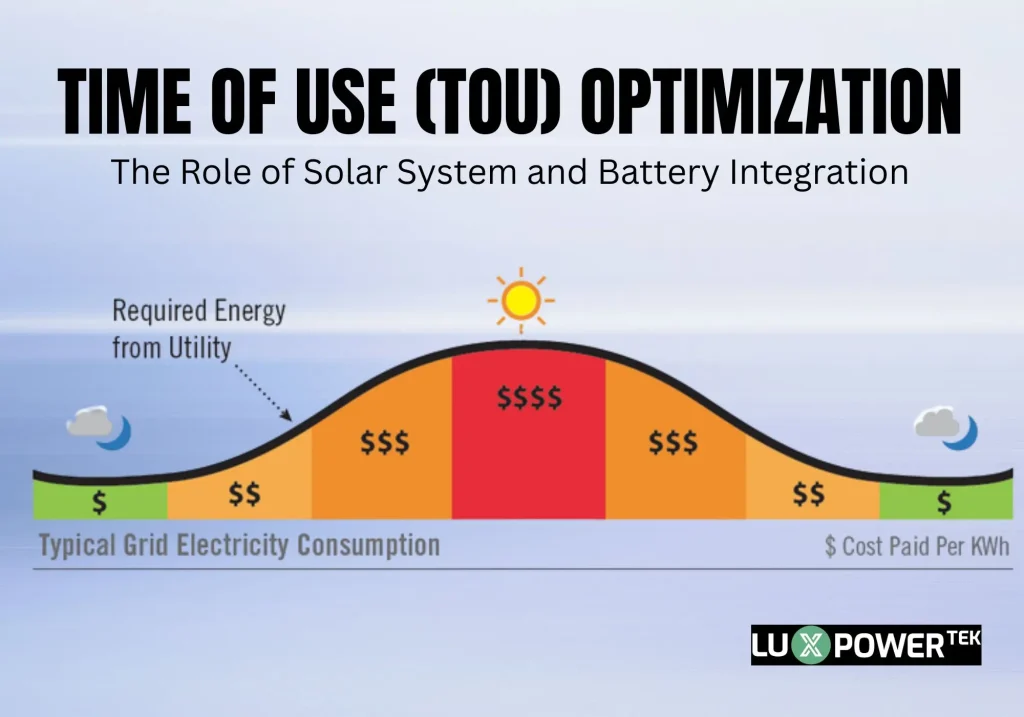
Imagine a world where your electricity bills are slashed, and you contribute to a cleaner planet every time you flip a switch. Sounds appealing, right?
This is the promise of solar energy. But what exactly is solar energy generation and utilization? As you delve deeper into this topic, you’ll discover how harnessing the power of the sun is not just an eco-friendly choice, but a smart investment for your future.
You’ll learn how solar panels capture sunlight, convert it into electricity, and how this sustainable energy can be utilized in your daily life. By the end of this article, you’ll understand why more people are turning to solar energy and how it can benefit you. Ready to uncover the potential of the sun? Let’s get started!
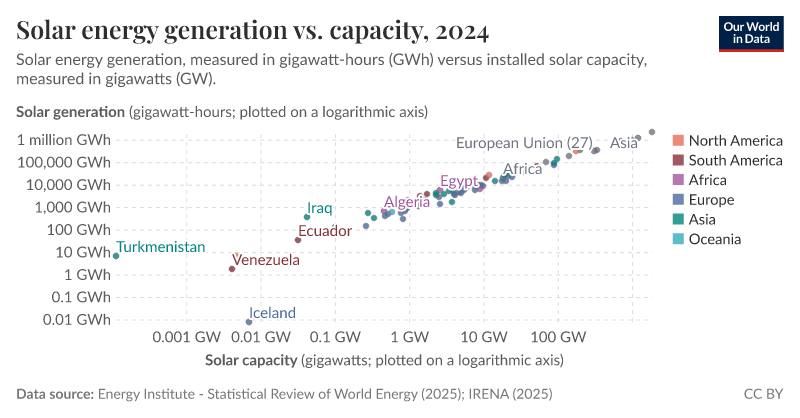
Credit: ourworldindata.org
Basics Of Solar Energy
Solar energycomes from the sun’s light and heat. It is a clean and endless source of power. People use it to make electricity, heat water, and even cook food. Solar power helps reduce pollution and saves money on energy bills.
- Solar panelscollect sunlight and turn it into electricity.
- Solar thermal systemsuse sunlight to heat water or air.
- Concentrated solar powerfocuses sunlight to create high heat for power plants.
Solar radiationis the energy that comes from the sun. It is measured with special tools. These tools check how much sunlight reaches the Earth. This helps in planning solar energy systems.
Solar Energy Technologies
Photovoltaic systemsuse solar panels to turn sunlight into electricity. These panels have small parts called solar cells. They catch sunlight and make electric power. This power can run homes, schools, and small machines.
Solar thermal systemsuse sunlight to make heat. This heat can warm water or air. People use this heat for homes or to help in factories. It saves energy and lowers bills.
Concentrated solar poweruses mirrors or lenses. These tools focus sunlight on a small spot. The focused sunlight makes very high heat. This heat is used to make steam. Steam drives a turbine to make electricity.
Solar Energy Generation Process
Solar panels have different componentsworking together to create energy. The solar cellsinside panels catch sunlight. These cells are made from silicon, which helps turn sunlight into electricity. The glass coverprotects the cells from weather. A metal frameholds everything in place. Wires carry the electric current to your home or battery.
The energy conversion mechanismchanges sunlight into usable power. Sunlight hits solar cells and creates small electric charges. These charges move as a flow of electricity called direct current (DC). An inverterchanges DC into alternating current (AC), the type used in homes and buildings.
| Efficiency Factor | Description |
|---|---|
| Sunlight Intensity | More sunlight means more energy produced. |
| Panel Angle | Correct tilt helps panels catch more sun. |
| Temperature | Too much heat can reduce panel efficiency. |
| Shade | Shadows lower the amount of energy made. |

Credit: powerfullygreen.com
Solar Energy Storage Solutions
Battery storageis the most common way to save solar energy. It stores electricity for use at night or on cloudy days. Batteries like lithium-ion and lead-acid are popular for homes and businesses. They are easy to install and maintain.
Thermal storagesaves heat instead of electricity. This method uses materials like water, molten salt, or rocks to keep heat from the sun. The stored heat can warm buildings or create steam for power later. It is useful in large solar plants.
New storage technologiesare being developed. These include flow batteries, hydrogen storage, and compressed air. They aim to store more energy for longer times. These technologies may become cheaper and more common soon.
Applications Of Solar Energy
Residential solar energyhelps power homes with clean electricity. Solar panels on rooftops capture sunlight and turn it into energy. This energy can run lights, appliances, and heating systems. It lowers electricity bills and reduces pollution.
In commercial and industrial places, solar power is used to run factories, offices, and stores. Large solar systems save money and energy. They can power machines, computers, and lighting. Businesses also use solar to show they care for the environment.
Off-grid and remote areasuse solar energy where there is no power line. Solar systems give electricity to villages, farms, and cabins. This energy helps with water pumps, radios, and lights. It brings comfort and safety to far places.
Benefits Of Solar Energy
Solar energyhelps reduce harmful gases that hurt the planet. It does not pollute the air or water. Using solar power lowers the risk of climate change and keeps nature clean. This energy comes from the sun, so it is clean and renewable. It helps save trees and wildlife habitats by cutting down on fuel use.
Solar power also saves money over time. After the initial cost, electricity bills drop a lot. There are fewer charges for fuel and maintenance. Many governments offer tax credits and rebatesto encourage solar use. This makes solar energy a smart choice for homes and businesses.
Solar energy gives people more control over their power. It reduces dependence on power companies and foreign fuels. Solar panels can work in remote places without power lines. This leads to energy independenceand more stable energy prices. It also helps communities be ready in power outages.
Challenges In Solar Energy Utilization
Intermittencymeans solar power is not always available. It works only when the sun shines. Clouds, night time, and weather can stop power production. This creates problems for steady energy supply.
High initial costsmake solar panels and installation expensive. Many people and businesses find it hard to pay upfront. Though costs drop over time, the first payment is often a big challenge.
Space and location constraintslimit where solar panels can be placed. Large areas are needed for big solar farms. Some places have too little sunlight or not enough open space. This reduces how much energy can be made.

Credit: www.pretapower.com
Future Trends In Solar Energy
Solar technologyis getting better every year. Panels now capture more sunlight and work in low light. New materials make panels lighter and cheaper. Some use tiny solar cells that can bend and fit on curved surfaces. This helps in more places like cars and windows.
Smart gridshelp manage solar energy well. They can send power where needed fast. This avoids waste and blackouts. Smart meters let people see how much solar power they use. This helps save money and energy.
Governments make new rules to support solar energy. They offer tax cutsand incentivesto builders and homeowners. Markets for solar energy are growing fast worldwide. This means more jobs and cheaper solar products soon.
Frequently Asked Questions
What Is Solar Energy Generation?
Solar energy generation converts sunlight into electricity using solar panels. It’s a clean, renewable power source. It reduces reliance on fossil fuels and lowers carbon emissions. Solar panels absorb sunlight and turn it into usable energy for homes and businesses.
How Is Solar Energy Utilized In Homes?
Solar energy powers homes by converting sunlight into electricity via rooftop solar panels. It reduces electricity bills and increases energy independence. Excess energy can be stored in batteries or sold back to the grid. Solar energy supports sustainable and cost-effective home energy use.
What Are The Benefits Of Solar Energy?
Solar energy is renewable, abundant, and environmentally friendly. It reduces greenhouse gas emissions and energy costs. Solar systems require low maintenance and increase property value. It also promotes energy security by diversifying power sources and reducing dependence on fossil fuels.
Can Solar Energy Work During Cloudy Days?
Solar panels can still generate electricity on cloudy days, but at reduced efficiency. They rely on diffused sunlight, so output decreases but does not stop. Modern solar technology optimizes energy capture in various weather conditions, ensuring consistent power generation.
Conclusion
Solar energy offers a clean way to power homes and businesses. It uses sunlight to create electricity without pollution. Many people install solar panels to save money on bills. Solar energy also helps reduce reliance on fossil fuels. It works best in sunny places but can be used almost anywhere.
As technology improves, solar power becomes more efficient and affordable. Choosing solar energy supports a healthier planet for future generations. Simple steps can lead to big changes in energy use. Solar energy is a smart choice for a brighter tomorrow.