
Imagine a world where you can power your home and car using a clean, renewable source of energy. This isn’t a vision of the distant future—it’s happening right now with solar-generated hydrogen.
If you’re curious about cutting-edge energy solutions and how they can impact your life, you’re in the right place. Solar-generated hydrogen is not just a buzzword; it’s a revolutionary way to harness the sun’s energy. This process creates a fuel that’s both sustainable and environmentally friendly.
But how does it all work, and what does it mean for you? Stick around, because we’re about to uncover the fascinating science behind solar-generated hydrogen and explore its potential to change the way you power your world.

Credit: www.energy-reporters.com
Solar Hydrogen Basics
Solar generated hydrogen comes from splitting water using sunlight. This clean fuel stores energy and produces no pollution when used. It offers a green alternative to traditional energy sources.
How Solar Energy Powers Hydrogen
Solar energycomes from the sun’s light. Special panels called solar panelscatch this light. They change sunlight into electricity. This electricity then helps make hydrogen fuel. It is clean and does not harm the air.
Electrolysis Process Simplified
Electrolysis splits water into two parts: hydrogen and oxygen. It uses electricity from solar panels. The water goes into a device called an electrolyzer. Inside, electricity breaks water into gas. Hydrogen is collected for fuel. Oxygen is released safely into the air.
Types Of Solar Hydrogen Production
Photovoltaic electrolysisuses solar panels to create electricity. This electricity splits water into hydrogen and oxygen. It is a simple and clean way to produce hydrogen. The process works well when the sun is shining.
Photoelectrochemical cellscombine sunlight and water in one device. They directly turn sunlight into hydrogen gas. These cells are still being improved for better efficiency. They can be small and lightweight.
| Thermochemical Methods | Description |
|---|---|
| Use heat from the sun | High temperatures split water into hydrogen and oxygen. |
| Use special chemical cycles | Chemicals absorb heat and help produce hydrogen. |
| Work best with solar concentrators | Focus sunlight to reach very high heat levels. |
Advantages Of Solar Hydrogen
Solar-generated hydrogen offers clean energy by using sunlight to split water into hydrogen and oxygen. It reduces pollution and supports renewable energy use. This method provides a sustainable fuel that can store energy for later use.
Zero Emission Fuel
Solar hydrogenproduces energy without harmful gases. It releases only water vaporwhen used. This makes it a clean and greenfuel choice. It helps reduce air pollution and fight climate change.
Renewable And Sustainable
Solar energy is infiniteand free. Using sunlight to make hydrogen means fuel won’t run out. It is a long-term solutionfor energy needs. This supports a sustainable futurefor all.
Energy Storage Potential
Solar hydrogen can store energy for later use. It works well when the sun is not shining. This helps balance power supply and demand. It makes solar power more reliable and flexible.

Credit: www.researchgate.net
Challenges Facing Solar Hydrogen
High production costsmake solar hydrogen less competitive. The technology to split water using sunlight is still expensive. Solar panels and electrolyzers require significant investment.
Infrastructure limitationshinder wide use. Few pipelines or refueling stations exist for hydrogen. Building new infrastructure costs a lot and takes time.
Storage and transport issuesadd to the challenge. Hydrogen is very light and can leak easily. It needs special containers and careful handling for safe storage and travel.
Current Applications
Fuel cells in transportationuse solar-generated hydrogen to power cars and buses. This method produces zero emissions, making vehicles cleaner and quieter. Hydrogen fuel cells can be refilled quickly, offering a good alternative to electric batteries.
Industrial usesinclude using hydrogen as fuel or raw material. Factories use it for making steel, chemicals, and fertilizers. Solar hydrogen reduces the need for fossil fuels and lowers pollution.
Power generationuses hydrogen to produce electricity. Hydrogen can be stored and used when solar energy is not available. This helps provide clean and reliable powerto homes and businesses.
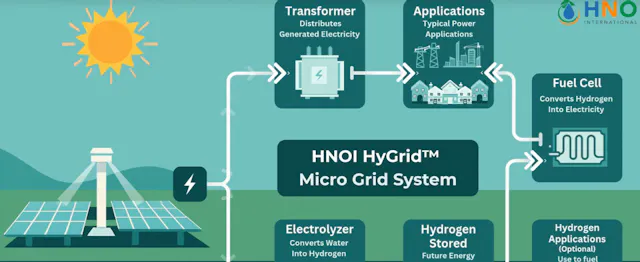
Credit: www.microgridknowledge.com
Future Of Solar Hydrogen
Solar generated hydrogen is made by using sunlight to split water into hydrogen and oxygen. This clean fuel can power cars and homes without pollution. It offers a green way to store and use energy from the sun.
Technological Innovations
Solar hydrogenproduction uses sunlight to split water into hydrogen and oxygen. New technologyis making this process more efficientand cheaper. Researchers are developing better solar panelsand electrolyzers. These improvements help produce more hydrogen with less energy. Storage and transport methods are also improving. This helps hydrogen reach more places easily.
Government Policies And Incentives
Many governments offer supportto grow solar hydrogen. They provide funding, tax breaks, and rulesthat favor clean energy. These policies make it easier for companies to invest in solar hydrogen projects. This support helps create jobs and reduce pollution.
Global Market Trends
| Region | Market Growth | Key Focus |
|---|---|---|
| Asia | High | Large solar projects and exports |
| Europe | Moderate | Green hydrogen for industry |
| North America | Growing | Clean fuel for transport |
Frequently Asked Questions
What Is Solar Generated Hydrogen?
Solar generated hydrogen is hydrogen fuel produced using solar energy. It involves using solar power to split water molecules into hydrogen and oxygen through electrolysis. This method offers a clean, renewable way to produce hydrogen without carbon emissions.
How Does Solar Hydrogen Production Work?
Solar hydrogen production uses solar panels to generate electricity. This electricity powers an electrolyzer that splits water into hydrogen and oxygen. The hydrogen is then collected and stored for fuel or energy use, making it a sustainable energy source.
What Are The Benefits Of Solar Generated Hydrogen?
Solar generated hydrogen is clean, renewable, and reduces carbon emissions. It stores solar energy efficiently and supports energy independence. Additionally, it can power fuel cells for transportation and industries, promoting a greener economy.
Is Solar Hydrogen Cost-effective Compared To Traditional Methods?
Currently, solar hydrogen is more expensive than fossil fuel methods. However, costs are decreasing with technological advances. It offers long-term savings through sustainability, reduced emissions, and energy security, making it a promising alternative.
Conclusion
Solar generated hydrogen offers a clean energy option for the future. It uses sunlight to create fuel without pollution. This method helps reduce reliance on fossil fuels. Many countries invest in this technology to cut carbon emissions. The process is still developing but shows great promise.
It could power cars, homes, and industries with less harm to Earth. Understanding solar hydrogen helps us see new energy possibilities. A greener, healthier planet could be closer than we think.