
Have you ever imagined your windows not only letting light in but also creating electricity for your home? Solar glass that generates its own electricity is turning this dream into reality.
This innovative technology transforms ordinary glass into a power source, helping you save on energy bills and reduce your carbon footprint. If you want to discover how this smart glass works and why it could change the way you think about windows, keep reading.
Your home and your wallet might thank you!

Credit: medium.com
Solar Glass Technology
Solar glass is a special type of glass that produces electricity from sunlight. It works like solar panels but fits into windows and buildings. This technology helps save energy while letting light pass through.
How Solar Glass Works
Solar glass captures sunlight and turns it into electricity. It has thin layers of solar cells inside the glass. These cells absorb sunlight and create electric power. The glass still looks clear and lets light pass through. It can be used in windows, doors, or walls. This helps buildings save energy by making power on-site. The electricity made can power lights or small devices. It works best in places with lots of sun.
Materials Used In Solar Glass
- Silicon:Common solar cell material, helps convert sunlight.
- Conductive layers:Thin metal layers carry electricity.
- Glass panels:Protect solar cells and let light in.
- Encapsulation films:Keep cells safe from water and dust.
Types Of Solar Glass
| Type | Description |
|---|---|
| Transparent Solar Glass | Lets most light pass while creating some electricity. |
| Opaque Solar Glass | Blocks light but produces more power. |
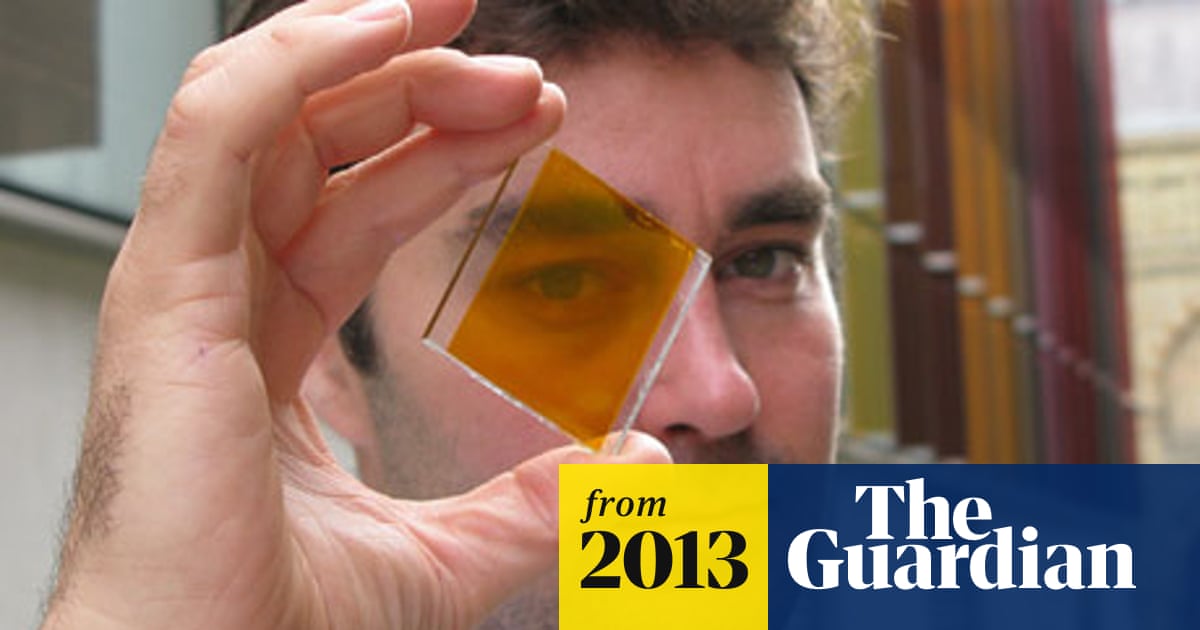
| Colored Solar Glass | Has color tint and generates electricity too. |
Credit: www.theguardian.com
Benefits Of Solar Glass
Energy Efficiency Gainscome from solar glass capturing sunlight and turning it into electricity. It lowers the need for other power sources. This helps save energy and cuts electricity bills. Buildings with solar glass can use less power from the grid.
Aesthetic and Design Flexibilitymeans solar glass fits well with many building styles. It can be clear or tinted, keeping windows bright and attractive. Designers enjoy using solar glass because it does not block views or light. It blends in with modern and classic architecture.
Environmental Impactis positive because solar glass reduces carbon emissions. It uses clean energy, which helps fight pollution and climate change. Solar glass also lowers the need for fossil fuels. This makes buildings greener and better for the planet.
Applications Of Solar Glass
Building-integrated photovoltaicsuse solar glass as windows or walls. These surfaces capture sunlight and turn it into electricity. This helps save energy inside buildings without extra space.
Both commercial and residentialbuildings can use solar glass. Offices, shops, and homes benefit from lower power bills. The glass looks like normal glass but produces power.
Urban infrastructurelike bus stops, streetlights, and noise barriers also use solar glass. It provides clean energy for lighting and small devices. This reduces the need for traditional power sources.

Credit: www.blanquivioletas.com
Challenges And Limitations
Solar glassthat generates electricity faces several challenges. Cost factorsare significant. This glass is more expensive than regular glass due to its special materials and technology. This makes it less affordable for many buildings.
Durability and maintenanceare also concerns. The glass must withstand weather and physical impact. It needs regular cleaning to keep working well, which can be hard for large surfaces.
Energy output constraintslimit its use. Solar glass produces less energy than traditional solar panels. It works best in sunny places but less well in cloudy or shaded areas. This reduces its overall efficiency and usefulness in some climates.
Future Of Solar Glass
Innovations in Material Sciencehave made solar glass thinner, stronger, and more efficient. New materials can capture more sunlight and turn it into electricity. Some types of solar glass are clear, so they work well as windows. Researchers are testing different coatings and layers to improve power output.
Market Trends and Adoptionshow growing interest in solar glass for buildings and cars. Many companies add solar glass to save energy and reduce bills. Prices are coming down, making this technology easier to buy. Governments support solar glass with grants and rules to encourage use.
Potential for Smart Windowsincludes windows that control light and heat. Solar glass can power sensors and screens on windows. It might change how buildings use energy and stay comfortable. Smart windows could help save money and reduce energy waste.
Frequently Asked Questions
What Is Solar Glass And How Does It Work?
Solar glass is a transparent material that generates electricity by converting sunlight. It uses embedded photovoltaic cells to capture solar energy and produce power while allowing light to pass through.
How Efficient Is Solar Glass In Generating Electricity?
Solar glass efficiency varies between 10% to 20%, depending on technology. Advances aim to improve power output without compromising transparency and aesthetics.
Where Can Solar Glass Be Used Effectively?
Solar glass is ideal for windows, facades, skylights, and greenhouses. It integrates renewable energy generation into buildings without altering design or natural lighting.
Is Solar Glass Cost-effective Compared To Traditional Panels?
Solar glass can be more expensive initially but saves space and energy costs long-term. It offers dual functionality as a building material and power source.
Conclusion
Solar glass offers a bright future for clean energy. This technology harnesses sunlight to produce electricity. It blends seamlessly into buildings. A sustainable choice for homes and offices. Solar glass reduces electricity bills and carbon footprints. It contributes to a greener planet.
With its sleek design, it appeals to modern architecture. Perfect for eco-friendly constructions. Embracing solar glass is a step towards a sustainable world. Explore its benefits today. The future of energy is here, and it’s shining bright.