Have you ever wondered how sunlight can turn into electricity for your home or business? A solar power generation system does exactly that—transforming sunlight into clean, usable energy.
Understanding how this system works can help you save money, reduce your carbon footprint, and take control of your energy needs. Keep reading to discover how solar power generation systems can change the way you think about energy and why it might be the right choice for you.
Solar Power Basics
Solar energycomes from the sun. Sunlight hits solar panels. Panels turn sunlight into electricity. This electricity powers homes and devices. Solar power is clean and free. It helps reduce pollution and save money.
Types of solar power systemsinclude:
- Grid-tied systems: Connected to the main power grid.
- Off-grid systems: Work independently without the grid.
- Hybrid systems: Combine grid and battery storage.
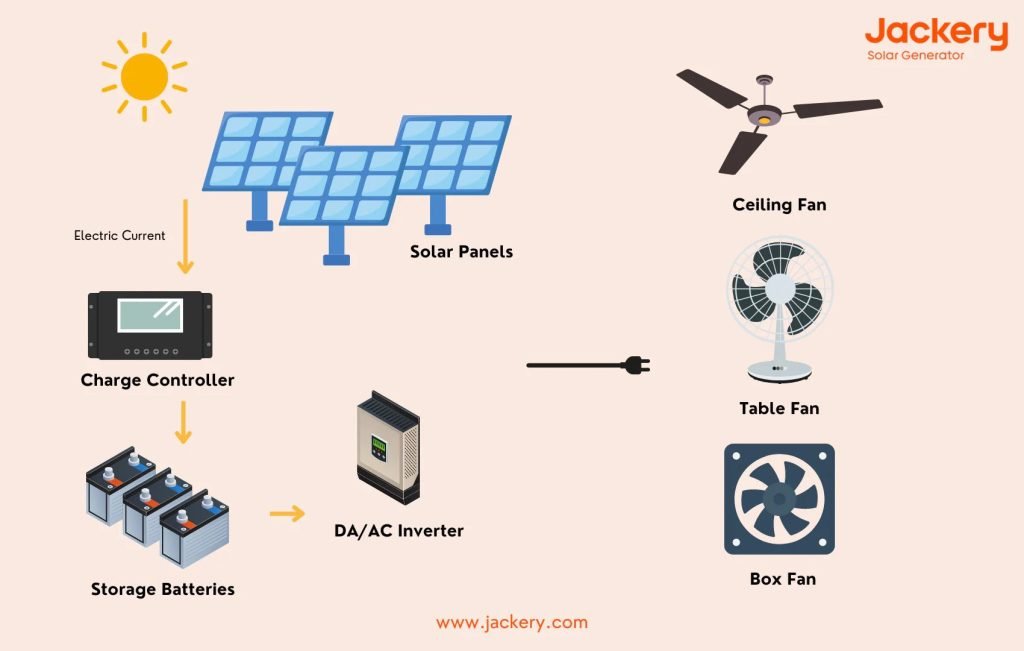
Components of solar power systemsare:
| Component | Function |
|---|---|
| Solar Panels | Capture sunlight and turn it into electricity |
| Inverter | Converts solar energy to usable AC power |
| Battery | Stores energy for use when the sun is not shining |
| Charge Controller | Protects batteries from overcharging |
Benefits Of Solar Power
Solar powerhelps protect the planet by cutting down pollution. It uses the sun’s energy, which is clean and renewable. This means it does not run out and does not harm the air or water. Solar panels create no harmful gasesor waste.
Solar power saves money on electricity bills. After installing panels, energy from the sun is free. Costs for power drop over time. Some places offer tax creditsor incentives that make solar cheaper.
Using solar power gives people energy independence. They do not need to rely on power from others. This is good during outages or high prices. Solar energy can be stored in batteriesfor use anytime.
Types Of Solar Panels
Monocrystalline panelshave high efficiency and long life. They are made from a single crystal of silicon. These panels work well in low light and take less space.
Polycrystalline panelsuse multiple silicon crystals. They cost less but have slightly lower efficiency. These panels are blue and have a speckled look.
Thin-film panelsare very light and flexible. They use less silicon and are cheaper to make. These panels work best in large spaces but have lower efficiency.

Credit: helendarmi-hd.medium.com
System Installation Process
Site assessmentchecks sunlight, roof type, and space. It helps find the best place for panels. Experts measure angles and shadows to ensure good sunlight.
Design and planningcreate a system that fits the home’s needs. It includes choosing panel types, inverter, and battery size. Plans follow local rules and safety standards.
- Clean the roof and prepare the area.
- Fix mounts to hold solar panels securely.
- Install solar panels on the mounts.
- Connect panels to the inverter and battery.
- Test the system to make sure it works well.
Maintenance And Troubleshooting
Solar power systems need regular checksto work well. Clean the solar panels often to remove dust and dirt. Check for loose wiresor damaged parts. Make sure the inverter shows normal lights and sounds. Trim trees or plants that block sunlight from panels. Keep the battery area dry and cool to avoid damage.
| Common Issue | Possible Cause | Fix |
|---|---|---|
| Low power output | Dirty panels or shading | Clean panels; remove shade |
| Inverter not working | Loose connections or faults | Check wires; reset inverter |
| Battery not charging | Old or damaged battery | Replace battery |
| System shuts down | Overheating or overload | Cool system; reduce load |
Cost And Incentives
The initial investmentfor a solar power system includes panels, inverter, and installation costs. Prices vary by system size and location. Smaller systems cost less but produce less energy.
Government incentiveshelp reduce costs. Many countries offer tax credits, rebates, or grants. These incentives can cover a significant part of the expense. Checking local programs is important.
| Factor | Description |
|---|---|
| Initial Investment | Cost of solar panels, inverter, installation, and permits |
| Government Incentives | Tax credits, rebates, or grants that lower upfront costs |
| Return on Investment | Time it takes to save money on energy bills after installation |
Return on investmentdepends on energy savings and system cost. Most systems pay for themselves in 5 to 10 years. After that, energy is almost free. Proper maintenance keeps system efficient.
Future Of Solar Energy
Solar energy is growing fast due to new technologies. Panels are now more efficientand cost-effective. This helps more people use solar power.
Smart grids help integrate solar powerinto homes and cities. They manage energy better and reduce waste. Solar systems can store energy for use at night.
| Global Trends | Description |
|---|---|
| Rising Adoption | More countries invest in solar energy every year. |
| Cost Drop | Solar panel prices continue to fall, making them affordable. |
| Government Support | Many governments offer incentives for solar installations. |
| Innovation | New materials and designs improve solar power systems. |

Credit: www.pretapower.com

Credit: deltagreensolarsystem.com
Frequently Asked Questions
What Is A Solar Power Generation System?
A solar power generation system converts sunlight into electricity using solar panels. It includes panels, inverters, batteries, and wiring. This system provides clean, renewable energy, reducing electricity bills and environmental impact.
How Does Solar Power Generation Work?
Solar panels capture sunlight and convert it into direct current (DC) electricity. An inverter then changes DC into alternating current (AC) for home use. Excess energy can be stored or fed back to the grid.
What Are The Benefits Of Solar Power Systems?
Solar power systems lower electricity costs and reduce carbon footprints. They offer energy independence, require low maintenance, and increase property value. Solar energy is sustainable and helps combat climate change.
How Much Does A Solar Power System Cost?
Costs vary based on system size, location, and equipment quality. On average, residential systems range from $10,000 to $30,000. Government incentives and tax credits can significantly reduce upfront expenses.
Conclusion
Solar power generation offers a clean energy solution. It helps reduce electricity costs. The system uses sunlight to create power. This is renewable and sustainable. Setting up solar systems is easier now. Maintenance is also simple and cost-effective. Many homes and businesses benefit from it.
Solar energy reduces carbon footprints. This helps fight climate change. Investing in solar power supports the environment. It also ensures energy security. Consider solar power for a greener future. It’s a smart choice for everyone.