Have you ever wondered how much waste you create every day? Understanding the solid waste generation rate can give you a clear picture of the impact your habits have on the environment.
This simple number reveals how much trash is produced in a specific area over time. Knowing this can help you make smarter choices to reduce your waste and protect your community. Keep reading to discover what solid waste generation rate really means and why it matters to you.
Solid Waste Generation Rate Basics
Solid waste generation ratemeans the amount of waste produced by people or places. It shows how much trash is made in a certain time. This helps cities and towns plan for trash collection and recycling.
To measure it, waste is collected and weighed over days or weeks. The total weight is then divided by the number of people or area size. This gives the rate of waste per person or per square meter.
| Unit | Meaning |
|---|---|
| kg/person/day | Kilograms of waste per person each day |
| tons/day | Total tons of waste generated daily |
| kg/m²/day | Kilograms of waste per square meter per day |
Factors Influencing Waste Generation
Population growthleads to more waste because more people produce more trash. Cities with fast growth often face waste problems. Urbanizationmeans more people live in cities, increasing waste from homes and businesses. More buildings and roads create more solid waste too.
Economic developmentchanges how much waste people make. Wealthier areas use more goods, which creates more waste. People buy more, throw away more. Consumption patternsalso matter. Some cultures use more disposable items, adding to waste. Others recycle and reduce waste better.
Global Trends In Waste Generation
Waste generation rates differ greatly between high-incomeand low-income countries. Richer countries produce more waste per person, often because of higher consumption. Poorer countries generate less waste but may struggle with waste management systems.
Regional differences affect how much waste is created and managed. Urban areas tend to produce more waste than rural areas. Climate and culture also play roles in waste types and amounts.
| Region | Waste Generation Rate (kg/person/day) | Key Factors |
|---|---|---|
| North America | 2.5 – 3.5 | High consumption, urbanization |
| Europe | 1.5 – 2.5 | Recycling efforts, urban living |
| Asia | 0.5 – 1.5 | Rapid growth, mixed urban-rural |
| Africa | 0.3 – 0.8 | Lower income, limited infrastructure |
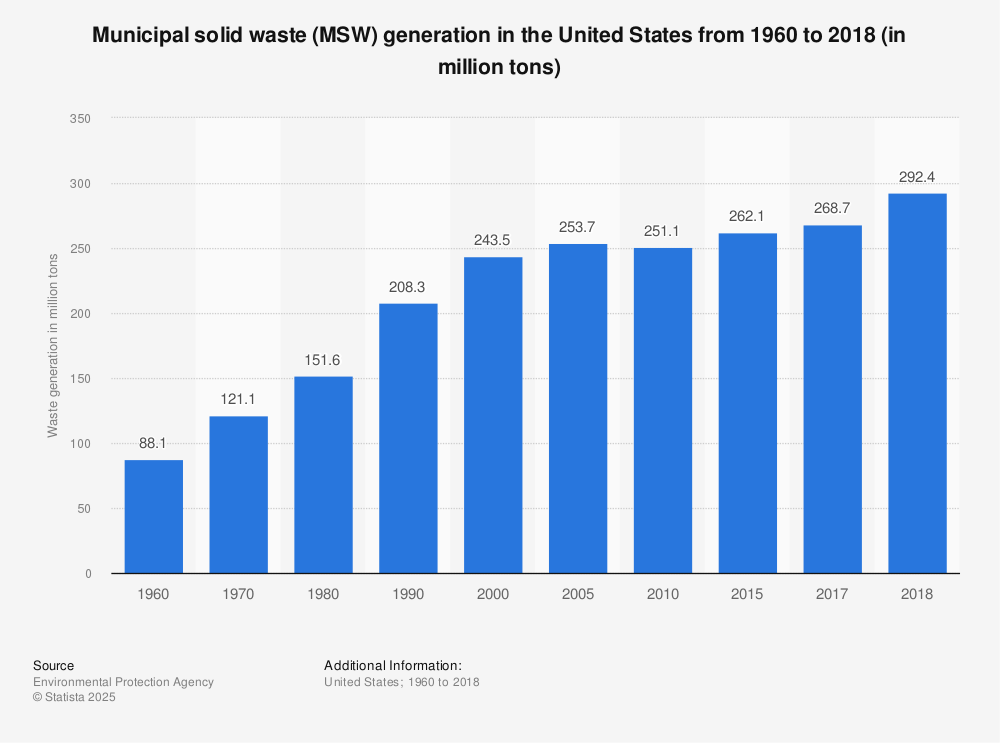
Future projections show waste generation increasing worldwide. Growth is driven by population rise and economic development. Planning better waste management is essential to handle this increase.

Credit: www.grandviewresearch.com
Environmental And Health Impacts
Solid wastecauses serious pollution and contamination. Waste in landfills leaks harmful chemicals into soil and water. This can kill plants and animals nearby. Plastic waste blocks drains, causing floods and breeding mosquitoes. These wastes make the environment dirty and unsafe.
Public health risksrise due to waste. Garbage piles attract rats and insects. These pests carry diseases like dengue, cholera, and typhoid. Burning waste releases toxic smoke that harms lungs. People living near waste sites often get sick.
Climate changelinks closely with solid waste. Rotting waste in landfills produces methane gas. Methane traps heat in the atmosphere, warming the Earth. Waste burning adds more greenhouse gases. Managing waste well helps slow down climate change.
Methods To Reduce Waste Generation
Waste minimization techniqueshelp reduce the amount of trash produced daily. Simple actions like buying less packaging, using reusable bags, and choosing products that last longer can lower waste. Composting food scraps and yard waste keeps them out of landfills.
Recycling and reusesave resources and energy. Sorting paper, plastic, glass, and metal allows these materials to be made into new items. Reusing containers, clothes, and furniture extends their life and cuts waste.
Policy and regulationguide waste management. Rules like banning single-use plastics and requiring recycling programs push people and businesses to reduce waste. Local governments can support waste reduction with clear laws.
Community engagementspreads awareness and encourages participation. Groups can organize cleanups, workshops, and campaigns to teach proper waste handling. When many people join efforts, waste generation drops significantly.

Credit: www.statista.com
Monitoring And Reporting Waste Rates
Collecting data on solid waste generationis vital for tracking environmental impact. Common methods include surveys, weighing wasteat disposal sites, and samplingwaste from households or businesses. These methods help gather accurate numbers on waste types and amounts.
Technology plays a key role in improving data accuracy. Smart sensorsand GPS trackingmonitor waste trucks and containers. Software tools analyze data quickly, helping cities plan better waste management strategies.
Challenges arise from inconsistent dataand lack of standard methods. Waste can vary daily and seasonally, making measurement hard. Human errorand limited accessto some sites also affect accuracy. Training and clear guidelines can help reduce these problems.
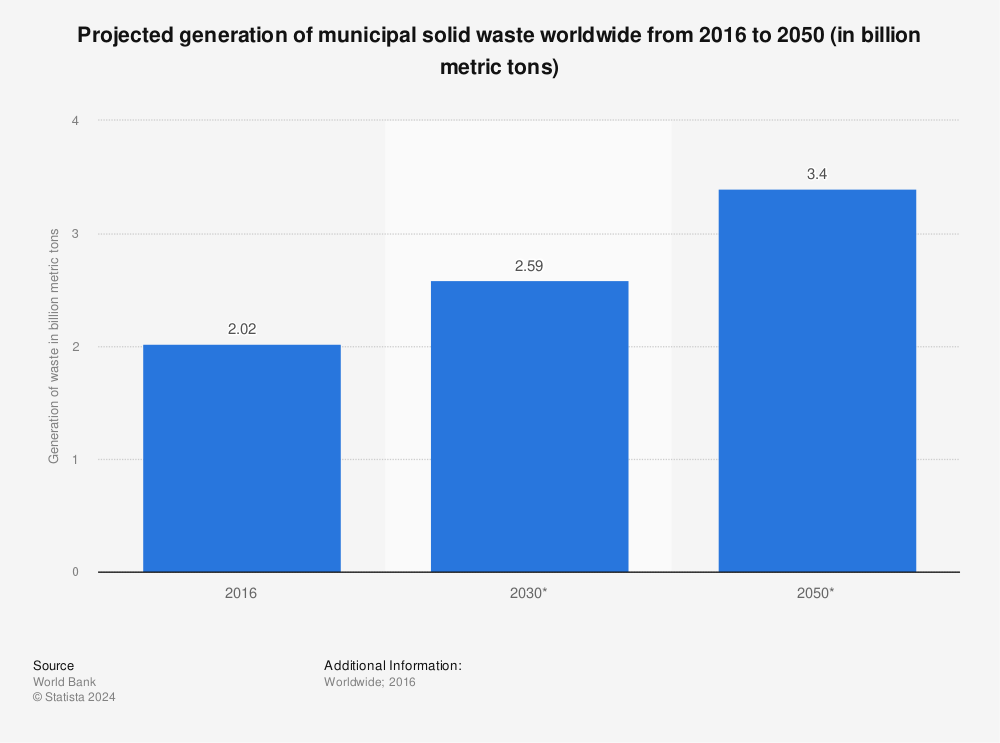
Credit: www.statista.com
Frequently Asked Questions
What Is The Solid Waste Generation Rate?
The solid waste generation rate measures how much waste a person or community produces daily. It helps in planning waste management and reducing environmental impact.
Why Is Tracking Solid Waste Generation Important?
Tracking waste generation helps identify waste sources and volume. It enables better recycling, waste reduction, and efficient disposal strategies to protect the environment.
How Is Solid Waste Generation Rate Calculated?
It is calculated by dividing the total waste produced by the population or area over a specific time, usually expressed in kilograms per person per day.
What Factors Influence Solid Waste Generation Rates?
Factors include population density, income levels, urbanization, lifestyle, and consumption patterns. These affect the quantity and type of waste generated in a region.
Conclusion
Understanding the solid waste generation rate is crucial for effective waste management. It helps in planning and reducing environmental impact. Communities can benefit by knowing how much waste they produce. This knowledge promotes better recycling and disposal practices. Reducing waste not only saves resources but also protects our planet.
Everyone can contribute by being mindful of their waste habits. Simple actions make a big difference. By staying informed, we support a cleaner and healthier environment. Let’s work together for a sustainable future.