
Have you ever wondered where all the trash you throw away actually comes from? Understanding what solid waste generation means can change how you see your daily habits and the impact they have on the environment.
This isn’t just about garbage piling up—it’s about how your actions contribute to a global challenge that affects health, nature, and the future of your community. Keep reading to discover what solid waste generation really is and why it matters to you more than you might think.
Solid Waste Basics
Solid wastemeans all the garbage or trash people throw away. This waste can be different types. Common types include:
- Organic waste:Food scraps, leaves, and other natural things.
- Plastic waste:Bags, bottles, and packaging materials.
- Metal waste:Old cans, wires, and broken tools.
- Glass waste:Bottles, jars, and broken glass pieces.
- Paper waste:Newspapers, boxes, and used papers.
- Hazardous waste:Batteries, chemicals, and medical waste.
Waste comes from many sources. Common ones are:
- Homes and households
- Schools and offices
- Factories and industries
- Markets and shops
- Construction sites
Understanding waste types and sources helps to manage it well.

Credit: www.tandfonline.com
Global Waste Trends
Solid waste generation varies greatly across different regions. Developed regions produce more waste per person than developing ones. For example, North America and Europe have the highest waste amounts. Asia and Africa produce less waste per person but have large populations, making their total waste very high.
| Region | Waste Generated (kg/person/day) | Total Waste (million tons/year) |
|---|---|---|
| North America | 2.5 | 260 |
| Europe | 1.9 | 250 |
| Asia | 0.6 | 900 |
| Africa | 0.3 | 150 |
Urban areas generate more waste than rural ones. Cities have more peopleand industries. Rural waste is often organicand less in amount. Urban waste contains more plastics and packaging materials. Managing urban waste is a bigger challenge due to its volume and type.
Factors Influencing Waste Generation
Population growthincreases the amount of waste produced. More people mean more trash every day. Cities with fast growth face bigger waste problems.
Economic developmentchanges how much waste is made. Richer areas often create more waste because people buy more products. Factories and businesses also add to waste levels.
Lifestyle and consumption habitsaffect waste too. People who buy many packaged goods create more trash. Eating out, using disposable items, and changing fashion trends add to waste generation.
Environmental Impact
Solid wasteharms both landand water. Dumping waste on land fills spaces and kills plants. Harmful chemicals seep into the soil, making it bad for farming. Waste in rivers and lakes pollutes water, which harms fishand other animals. People can get sick from dirty water too.
Air pollution from burning waste is a big problem. Smoke carries toxic gasesand small particles that hurt lungs. These pollutants can cause breathing problemsand other diseases. Smoke also adds to global warmingby releasing harmful gases.
- Land pollution kills plants and animals.
- Water pollution harms fish and people.
- Burning waste causes dangerous air pollution.
- Air pollution leads to health problems.
- Waste gases increase global warming.
Waste Measurement And Data
Measuring waste helps us understand how much solid waste is made. Common ways to measure include weighing waste, counting bags, or estimating volume. Each method gives useful data for planning and managing waste.
Collecting waste data has some challenges. Waste types differ in size and weight, making counting hard. People may not sort waste well, causing errors. Also, some waste is hidden or thrown away in many places. These problems can make data less exact but still helpful for better waste control.
Waste Management Strategies
Reduce, reuse, and recyclehelp lower waste and save resources. Reducing means using less stuff. Reusing means using items again instead of throwing away. Recycling turns old things into new products. These steps keep waste out of landfills.
Landfilling and incineration are ways to handle waste. Landfills bury trash underground. It is cheap but can harm the environment. Incineration burns waste to reduce its size. This method also creates energy but can cause pollution.
Composting changes food and garden waste into rich soil. It helps plants grow and cuts down on trash. Other techniques include biogas productionand waste sorting. These methods make waste management better and cleaner.
Future Outlook
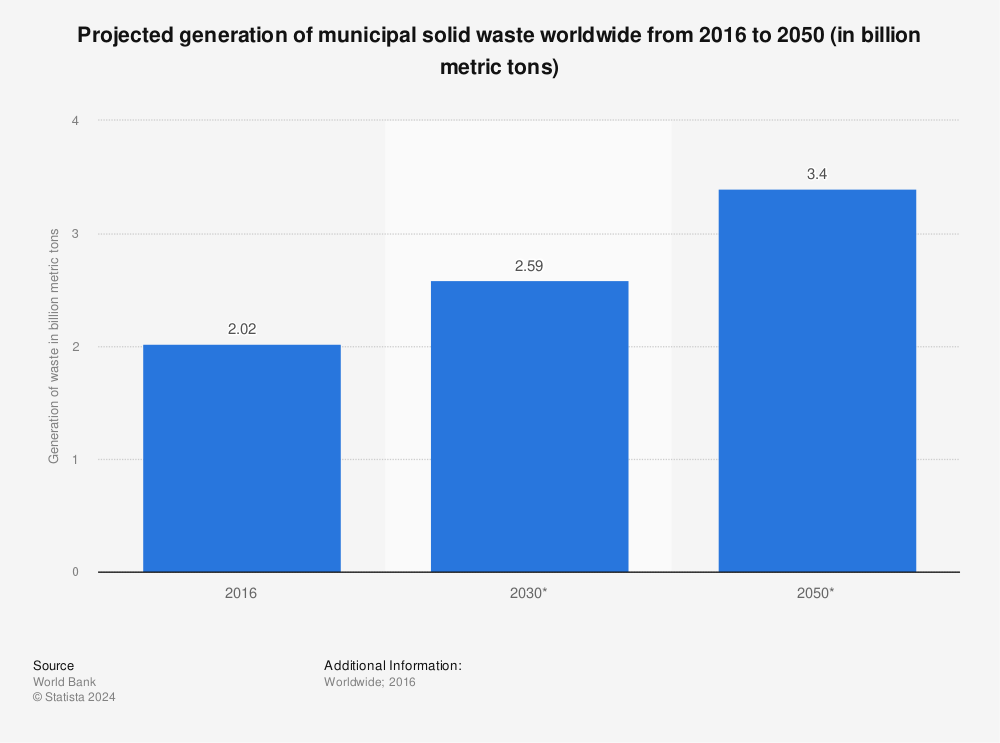
Solid waste generation is expected to rise with growing populations and urban areas. Managing this waste sustainably will become crucial to protect the environment and public health. New technologies and policies may help reduce waste and encourage recycling in the future.
Innovations In Waste Reduction
New technologies help reduce the amount of solid waste. Smart bins sort trash automatically. Composting machines turn food scraps into soil quickly. Recycling centers use robots to separate materials faster. These tools make waste management easier and cleaner.
Policy And Community Roles
Governments create rules to limit waste and promote recycling. Communities join clean-up drives and learn about waste problems. Schools teach kids to reduce, reuse, and recycle. Everyone’s small actions add up to big changes.

Credit: link.springer.com
Credit: www.statista.com
Frequently Asked Questions
What Is Solid Waste Generation?
Solid waste generation is the production of discarded materials from homes, industries, and businesses. It includes everyday items like packaging, food scraps, and paper. Managing this waste is crucial for environmental health and urban cleanliness.
What Are The Main Sources Of Solid Waste?
Main sources include households, commercial establishments, industries, and construction sites. Each generates different waste types, such as organic, plastic, metal, and hazardous materials. Understanding sources helps in effective waste management and recycling efforts.
How Is Solid Waste Generation Measured?
Solid waste generation is measured by weight or volume over a specific time. Data is collected from waste collection points and treatment facilities. Accurate measurement aids in planning disposal, recycling, and reducing environmental impact.
Why Is Managing Solid Waste Important?
Managing solid waste prevents pollution, protects public health, and conserves resources. Proper disposal reduces greenhouse gases and soil contamination. It supports sustainable development and improves the quality of urban life.
Conclusion
Solid waste generation impacts our environment significantly. Managing waste properly is crucial. It reduces pollution and conserves resources. Everyone plays a role in this effort. Communities can adopt recycling and composting practices. These steps help decrease waste production. Educating others on proper waste disposal is vital.
Awareness leads to better habits and cleaner surroundings. Governments should enforce stricter regulations. Businesses can innovate to create less waste. Together, we can make a difference. A cleaner planet is achievable with conscious efforts. It’s time to act and think sustainably.
Our future depends on it.