
Imagine losing power right when you need it most—during a storm, an important work deadline, or a family gathering. You might wonder, how can you keep your home or business running smoothly without interruptions?
That’s where a standby generator set comes in. It’s your reliable backup, ready to kick in automatically the moment the electricity goes out. You’ll discover exactly what a standby generator set is, how it works, and why it might be the smart choice to protect your comfort and peace of mind.
Keep reading to make sure you’re never left in the dark again.

Credit: www.premium-electric.ca
Standby Generator Set Basics
A standby generator setis a backup power system for homes or businesses. It starts automatically when the main power fails. This keeps essential devices running without interruption.
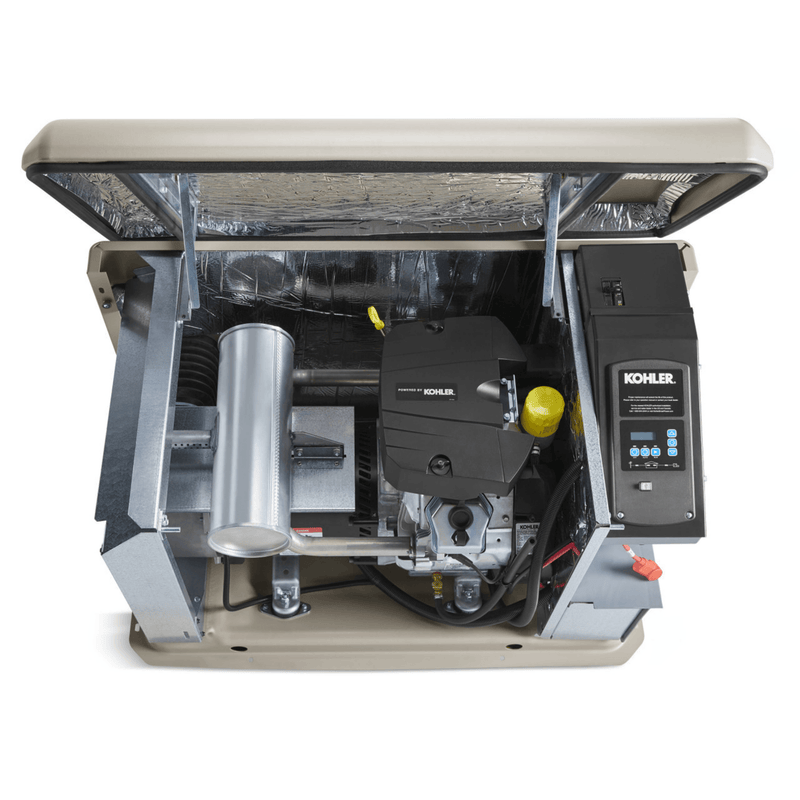
Key components include:
- Engine:Runs on fuel to generate power.
- Alternator:Converts engine energy into electricity.
- Fuel System:Supplies fuel like gas or diesel.
- Automatic Transfer Switch:Detects power loss and starts the generator.
- Control Panel:Monitors and controls the generator operation.
The generator detects power loss and starts the engine. Then, the transfer switch moves power source from the grid to the generator. When main power returns, the system switches back and shuts off the generator.
Types Of Standby Generators
Standby generator sets provide backup power automatically during outages. They come in types like air-cooled, liquid-cooled, and diesel-powered, each suited for different needs. These generators keep homes and businesses running smoothly when electricity fails.
Diesel Generators
Diesel generatorsare strong and last long. They use diesel fuel to work. These generators are good for heavy use and can run for many hours. They are often used in big buildings and places that need power all the time. Diesel generators are also safe and easy to maintain.
Gasoline Generators
Gasoline generatorsare small and easy to move. They use regular gasoline fuel. These are good for short-term use, like camping or small homes. Gasoline generators are usually less expensive but need more care and fuel.
Natural Gas Generators
Natural gas generatorsrun on gas from the main supply lines. They are clean and safe to use. These generators start quickly and work quietly. They are perfect for homes and businesses that want a steady power source without storing fuel.
Propane Generators
Propane generatorsuse propane gas, which is easy to store. They run cleaner than gasoline and diesel. These generators are good for home use and places where natural gas is not available. Propane generators also work well in cold weather.
Benefits Of Using Standby Generators
Standby generatorsensure a reliable power supplyduring outages. They turn on automatically, so there is no need to wait or start them manually. This keeps homes and businesses running smoothly without interruption.
These generators offer automatic operation. They detect power failure and start on their own. This feature provides peace of mind, especially during storms or unexpected blackouts.
Safety featuresprotect your property and the generator itself. Many models have sensors to avoid overload and overheating. This helps prevent damage and ensures safe use.
Choosing The Right Generator
Choosing the right standby generator set depends on key factors like power needs, fuel type, and space for installation. Knowing power requirements helps pick a generator that runs all essential devices without overload.
Generators come in different sizes. Small ones support a few devices. Bigger models power whole homes or buildings.
- Power Requirements:Calculate total watts needed by all devices.
- Fuel Type Considerations:Options include natural gas, diesel, and propane. Each has pros and cons.
- Installation Space:Ensure enough room for the generator and safe ventilation.
Installation Process
Choosing the right spot is key for site preparation. The area must be flat, stable, and free from debris. It should allow easy access for maintenance and be away from windows or vents to avoid exhaust issues. Proper drainage is important to prevent water damage.
Electrical connections must be done carefully. A licensed electrician should connect the generator to the home’s electrical panel. This ensures safe transfer of power during outages. Using a transfer switchis essential to prevent backfeed and protect utility workers.
Obtaining permits and following regulationsis mandatory. Local laws often require permits before installation. Inspections may be needed to check safety and code compliance. This step helps avoid fines and ensures the generator works safely.
Maintenance Tips
Regular inspections help keep the standby generator setin good shape. Check for any leaks, loose parts, or unusual noises. Look at the control panel and wiring for damage. Clean dust and debris from the unit to avoid blockages. Testing the generator under load ensures it works correctly during power outages.
Fuel management is vital for reliable operation. Store fuel in a cool, dry place and use fresh fuel to avoid clogs. Regularly check fuel levels and top up as needed. Use fuel stabilizers to keep fuel fresh over time. Drain old fuel to prevent damage to the engine.
Battery care ensures the generator starts smoothly. Keep battery terminals clean and free from corrosion. Test battery voltage often and replace batteries when weak. Charge the battery regularly to maintain power. Secure battery connections to avoid power loss during emergencies.
Common Issues And Troubleshooting
Starting problemscan happen if the battery is weak or dead. Check the battery charge and connections. Dirty or old spark plugs also stop the engine from starting. Clean or replace them as needed. The starter motor might be faulty or have loose wires. Make sure all electrical parts are tight and working well.
Fuel system issuesoften cause the generator not to run. Old or bad fuel can clog the fuel lines and filters. Replace fuel if it smells bad or looks dirty. Clean or change fuel filters regularly. Air in the fuel line can stop flow, so bleed the line to remove air. The fuel pump may fail and need repair or replacement.
Electrical failuresinclude blown fuses, tripped breakers, or loose wiring. Check all fuses and replace any that are blown. Reset breakers if tripped. Tighten any loose wires or connections. Faulty voltage regulators or control panels can cause problems and might need professional help to fix.
Credit: solarpowerstore.ca
Cost Factors
The initial investmentcovers the cost of the generator unit and installation. Prices vary by size, brand, and power capacity. Installation costs include wiring, permits, and labor. Operating costsinvolve fuel consumption, regular maintenance, and occasional repairs. Fuel type, such as diesel or natural gas, affects expenses. Maintenance keeps the generator reliable and extends its life.
Long-term savingscome from avoiding power outages and damage to appliances. A standby generator can prevent business losses and reduce downtime. Over time, these savings may balance out the initial and operating costs. Choosing the right generator size helps optimize costs and efficiency.
Future Trends
Smart generatorsuse sensors and Wi-Fi to work better. They can start or stop automatically. This helps save fuel and reduces noise. You can control them from your phone or computer. This makes managing power easy and quick.
Eco-friendly optionsfocus on less pollution. Many standby generators now use cleaner fuels like natural gas or propane. Some even use batteries or solar power. These choices help protect the environment and save money on fuel. Quiet operation is another plus.

Credit: www.angi.com
Frequently Asked Questions
What Is A Standby Generator Set Used For?
A standby generator set provides backup power during outages. It automatically starts when electricity fails. This ensures continuous power for homes or businesses, protecting appliances and systems from disruption.
How Does A Standby Generator Set Work?
A standby generator detects power loss and starts its engine. It runs on fuel like diesel or natural gas. The generator then supplies electricity until the main power returns, ensuring no downtime.
What Are The Benefits Of A Standby Generator Set?
Standby generators offer reliable, automatic backup power. They protect against data loss, equipment damage, and safety hazards during outages. They also increase property value and provide peace of mind.
How Long Can A Standby Generator Run Continuously?
Standby generators can run for several hours or days, depending on fuel supply. Proper maintenance and fuel availability determine continuous operation time during extended outages.
Conclusion
Standby generators offer peace of mind during power outages. They automatically supply electricity when the main power fails. These generators are essential for homes and businesses. Reliable, efficient, and easy to maintain. They ensure continuity and safety in emergencies. Choose the right size and type for your needs.
Consider professional installation for optimal performance. Investing in a standby generator is a smart choice. It protects your home or business from power interruptions. Enjoy uninterrupted power and greater convenience. A standby generator is a valuable asset in today’s world.