Have you ever wondered what keeps your home powered when the lights suddenly go out? A standby generator might be the answer you’re looking for.
Imagine never having to worry about losing electricity during storms or outages. This small but powerful device can protect your comfort and safety by automatically kicking in when your main power fails. You’ll discover exactly what a standby generator is, how it works, and why it could be a smart addition to your home.
Keep reading to find out how you can stay powered up, no matter what.
Standby Generator Basics
A standby generatoris a machine that provides power during outages. It starts automatically when the main power fails. This keeps homes and businesses running without interruption.
Key components include the engine, which runs on fuel like gas or diesel, and the alternator, which produces electricity. A transfer switchmoves power from the grid to the generator safely.
| Type | Fuel Source | Common Use |
|---|---|---|
| Natural Gas | Natural Gas | Homes and small businesses |
| Diesel | Diesel fuel | Large buildings and industries |
| Propane | Propane gas | Remote areas without natural gas |

Credit: lghomecomfort.ca
Benefits Of Standby Generators
Standby generatorsprovide a continuous power supplyduring outages. They start automaticallywithin seconds, so there is no need to switch them on manually. This ensures your home or business stays powered without interruption.
The automatic operationmeans the generator detects power loss and turns on by itself. It also switches off when power returns. This feature saves time and effort, making it very convenient.
- Safety featuresprotect the generator and your property.
- They include automatic shutoff if the generator overheats or runs low on fuel.
- These features help prevent accidents and damage.
Choosing The Right Generator
Power capacityshould match your home or business needs. Calculate the total watts of devices you want to run. Choose a generator that can handle slightly more than this total. This prevents overload and keeps things safe.
Fuel choice affects cost and convenience. Common options include natural gas, propane, and diesel. Natural gas is clean and easy to connect if available. Propane stores well for long periods. Diesel is powerful but needs more maintenance.
Installation must follow safety rules. Place the generator outside in a well-ventilated area. Keep it away from windows and doors. Hire a professional to connect it to your electrical system. Proper installation ensures reliable and safe operation.
Installation Process
Site preparation is important for a standby generator. The area must be flatand clear of debris. It needs enough space for the generator and proper ventilation. The surface should be stable, like concrete or gravel. Proper drainagehelps avoid water damage.
Choosing between professional installationand DIYdepends on skills and safety. Professionals know local codesand handle wiring and fuel setup safely. DIY saves money but needs care to follow instructionsand rules to avoid risks.
| Permits and Regulations | Details |
|---|---|
| Permit Requirement | Many places require permits for generator installation. |
| Noise Limits | Generators must meet local noise rules to avoid fines. |
| Fuel Storage Rules | Rules exist on how to store fuel safely. |
| Inspection | Authorities may inspect the installation before use. |
Maintenance Tips
Regular inspectionshelp keep standby generators working well. Check for oil leaks, worn parts, and loose connections. Test the batteryand clean the terminals. Run the generator monthly to ensure it starts easily and runs smoothly. Listen for unusual noises or vibrations that may signal problems.
Store fuel in a cool, dry placeto avoid degradation. Use fuel stabilizersto keep gasoline fresh. Drain old fuel before refilling. Keep fuel tanks full to reduce moisture buildup. Check fuel lines for cracks or leaks regularly.
| Common Issue | Possible Cause | Quick Fix |
|---|---|---|
| Generator won’t start | Dead battery or no fuel | Charge battery or refill fuel |
| Low power output | Dirty air filter or faulty spark plug | Clean filter or replace spark plug |
| Overheating | Blocked vents or low coolant | Clear vents and check coolant |

Credit: capitalheat.com
Cost Factors
The initial investmentcovers the generator’s price and installation. Costs depend on size and power capacity. Bigger models cost more but supply more power.
Operating expensesinclude fuel, oil, and maintenance. Diesel or gas prices affect fuel costs. Regular oil changes and tune-ups keep the generator working well.
Long-term savingscome from avoiding power outages. A standby generator protects homes and businesses. It can prevent losses from spoiled food or halted work.
Comparing Standby Generators To Alternatives
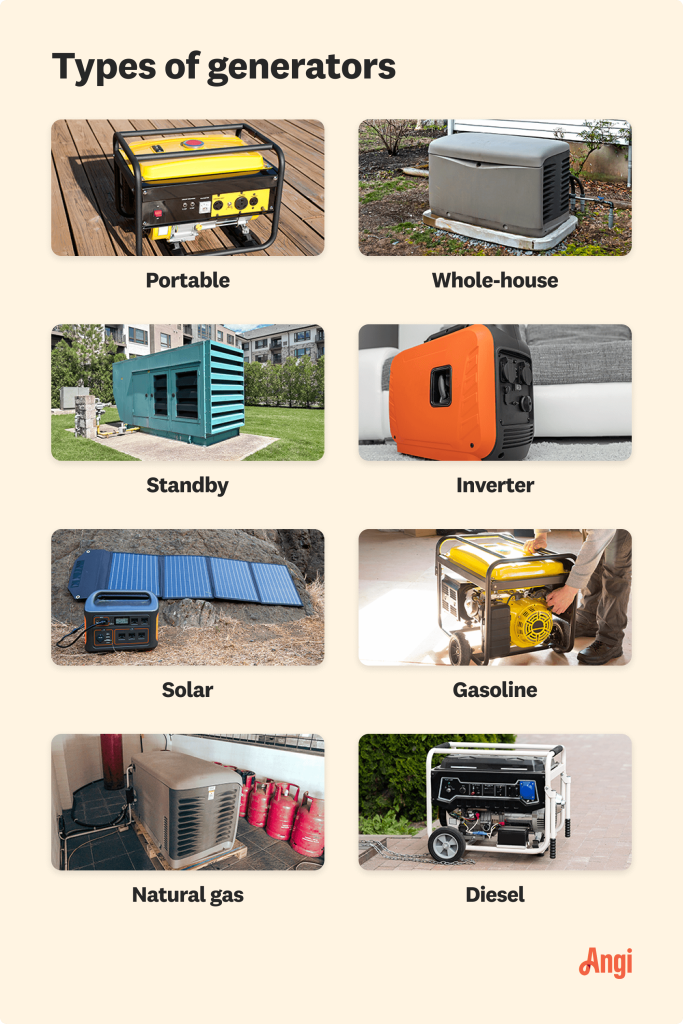
Portable generatorsare small and easy to move. They work well for short power outages but need fuel and manual setup. Noise can be loud, and they may not power an entire house.
Solar backup systemsuse sunlight to create power. They are quiet and clean but depend on sunny weather. They need batteries to store energy for night or cloudy days. Initial costs can be high.
Battery storage optionsstore electricity from the grid or solar panels. They provide quick power without fuel. Batteries have limited capacity and need recharging after use. They are silent and easy to maintain.

Credit: www.angi.com
Common Myths And Misconceptions
Many people think standby generators are noisy and costly. This is not always true. Modern models run quietly and save money in the long run. Some believe these generators need a lot of maintenance. Actually, they require little care with proper installation. Others say standby generators only work during power outages. They also protect sensitive electronics from power surges. Some think installation is hard. Professionals handle this quickly and safely. Another common myth is that portable generators do the same job. Standby generators start automatically and power the whole home. Portable ones need manual setup and fuel. These myths can stop people from getting useful backup power.
Frequently Asked Questions
What Is A Standby Generator Used For?
A standby generator provides automatic backup power during outages. It powers your home or business instantly. It ensures safety and comfort when the main power fails.
How Does A Standby Generator Work?
A standby generator detects power loss and starts automatically. It uses fuel like natural gas or propane. It supplies electricity until the main power returns.
Are Standby Generators Cost-effective?
Standby generators have upfront costs but save money long-term. They prevent losses from power outages. They increase property value and offer peace of mind.
How Often Should A Standby Generator Be Tested?
Testing a standby generator monthly is ideal. Regular tests ensure reliable performance and identify issues early. Maintenance extends the generator’s lifespan.
Conclusion
Standby generators keep your power on during outages. They are essential for homes and businesses. Reliable and efficient, they offer peace of mind. No more worrying about sudden blackouts. These generators automatically kick in. You stay connected and comfortable. Investing in one is a smart choice.
It ensures safety and convenience. Regular maintenance is key for optimal performance. Find the right size for your needs. Make sure it’s installed correctly. Stay prepared for any power disruption. This way, life goes on without a hitch. Standby generators provide a seamless energy solution.