Imagine a sudden power outage at your home or business. Everything goes dark, and you’re left wondering how long you’ll be without electricity.
This is where a standby power generator becomes your best friend. But what exactly is a standby power generator, and how can it protect your comfort and safety? You’ll discover how this device works, why it’s essential, and how it can keep your life running smoothly when the unexpected happens.
Keep reading to find out how you can stay powered up no matter what.

Credit: www.angi.com
Standby Power Generator Basics
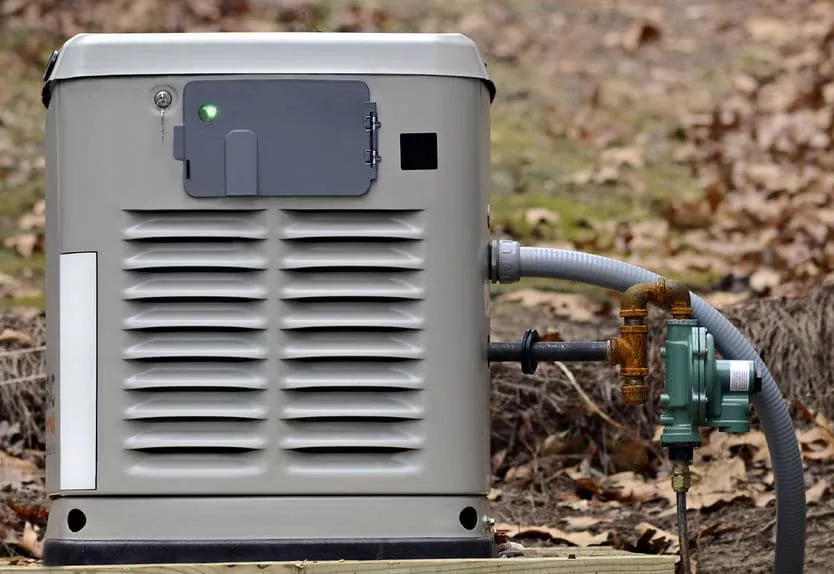
A standby power generatorsupplies electricity during power outages. It starts automatically within seconds of a blackout. The generator uses fuel like gas or diesel to create power.
The system connects to your home or business electrical panel. It runs until the main power returns, then shuts off by itself. This ensures continuous powerwithout manual effort.
- Diesel generators:Strong and reliable but need regular maintenance.
- Natural gas generators:Cleaner and quieter, connect to gas lines.
- Propane generators:Portable and easy to store fuel.
| Component | Function |
|---|---|
| Engine | Turns fuel into mechanical energy |
| Alternator | Converts mechanical energy into electricity |
| Fuel System | Supplies fuel to the engine |
| Control Panel | Starts and stops the generator automatically |
| Battery | Powers the starter motor |
Benefits Of Backup Energy
A standby power generator offers a reliable sourceof energy during outages. It keeps homes and businesses running without interruption.
Critical systems like medical devices and security alarms stay protected. This prevents damageand loss.
Using backup energy increases safetyby reducing risks from sudden power loss. It helps avoid accidents and keeps people secure.
Choosing The Right Generator
Assessing power needs is key to choosing the right generator. List all devices you want powered during an outage. Calculate the total wattage to find the minimum generator size. Consider starting watts, as some devices need more power to start.
Fuel options include gasoline, diesel, propane, and natural gas. Each has pros and cons. Gasoline is common but can spoil. Diesel lasts longer and is fuel-efficient. Propane burns clean but needs a tank. Natural gas connects directly to home supply but may not work during outages.
| Generator Size | Uses | Example Devices |
|---|---|---|
| Small (1000-3000 watts) | Basic needs | Lights, fans, small fridge |
| Medium (3000-7000 watts) | Multiple devices | Fridge, TV, sump pump |
| Large (7000+ watts) | Whole house | Heating, air conditioning, water heater |

Credit: www.generac.com
Installation And Maintenance
Professional installationof a standby power generator ensures safety and efficiency. Place the generator on a flat, stable surfaceoutdoors. Keep it away from windows and vents to avoid fumes entering the home. Connect the generator to your home’s electrical system using a transfer switch. This switch prevents power backfeed, protecting utility workers and your appliances.
Routine maintenancekeeps the generator ready for use. Check the oil level regularly and change it as the manual suggests. Clean or replace the air filter often to keep the engine running smoothly. Test the battery and keep it charged. Run the generator monthly for a few minutes to keep parts working well.
Troubleshooting common issuesincludes looking for simple problems first. If the generator won’t start, check the fuel level and battery charge. Clean spark plugs if the engine is rough. Listen for strange noises, which may mean loose parts. Always follow the manual for safe repairs or call a professional.
Cost And Efficiency
The initial investmentfor a standby power generator depends on size, brand, and features. Smaller units cost less but offer limited power. Larger units have higher prices but support more appliances. Installation fees also affect the total cost. Some models need a professional to install them safely.
Operating costsinclude fuel, maintenance, and repairs. Fuel type, like diesel or natural gas, changes the price. Regular maintenance keeps the generator working well and lasts longer. Repair costs can add up if parts wear out or break.
| Energy Efficiency Aspect | Details |
|---|---|
| Fuel Consumption | Efficient models use less fuel for the same power output. |
| Run Time | Longer run times reduce the need for refueling. |
| Eco-Friendly Options | Some generators produce fewer emissions and noise. |
Safety And Regulations
Installation safetyis very important for standby power generators. Always place the generator in a well-ventilated areato avoid carbon monoxide buildup. Keep it away from doors, windows, and vents. Use proper groundingto prevent electrical shocks. Only qualified electricians should connect the generator to your home system.
Local codes and permits must be followed carefully. Check with your city or county office before installation. Permits ensure the generator meets safety and noise regulations. Ignoring these rules can cause fines or removal of the generator.
- Have a clear plan for emergencies.
- Store enough fuel safely and away from the house.
- Test the generator regularly to ensure it works when needed.
- Keep emergency contact numbers handy.

Credit: www.cummins.com
Frequently Asked Questions
What Is A Standby Power Generator?
A standby power generator is an automatic backup power source. It activates during power outages to keep essential appliances running. It ensures uninterrupted electricity supply for homes or businesses until main power returns.
How Does A Standby Generator Work?
A standby generator detects power loss and starts automatically. It uses fuel like propane, natural gas, or diesel to generate electricity. Once main power is restored, it switches off and waits for the next outage.
What Are The Benefits Of Standby Generators?
Standby generators provide reliable, automatic backup power during outages. They protect sensitive electronics and prevent business downtime. They increase safety and comfort by powering essential systems like heating, cooling, and lighting.
How Long Can Standby Generators Run Continuously?
Standby generators can run for several hours to days, depending on fuel supply. Natural gas or propane models run longer without refueling. Diesel generators require regular fuel checks for extended use.
Conclusion
A standby power generator keeps your home running during outages. It turns on automatically when power goes out. This device ensures safety and comfort by providing constant electricity. Many homes and businesses rely on these generators daily. Choosing the right generator depends on your power needs.
Regular maintenance keeps it working well for years. Understanding how it works helps you make smart decisions. A standby power generator offers peace of mind when electricity stops. Consider one to avoid unexpected power problems.