
Are you curious about how much power your solar panels can generate for your home? Understanding the average power generated by a solar home can help you make informed decisions about your energy needs and savings.
Imagine cutting down those hefty electricity bills and embracing a more sustainable lifestyle. By the end of this article, you’ll have a clear picture of what to expect from your solar panels. Let’s dive into the details and discover how much energy you can truly harness from the sun.

Credit: www.ecoflow.com
Factors Influencing Solar Power Output
The solar panel capacityshows the maximum power a panel can produce. Higher capacity means more energy.
Sunlight availabilitydepends on weather and time of year. More sun means more power.
System efficiencyshows how well panels change sunlight into electricity. Clean panels work better.
Geographic locationaffects the sun’s angle and daylight hours. Closer to the equator gets more sun.
| Factor | Effect on Power Output |
|---|---|
| Solar Panel Capacity | Higher capacity means more electricity generated |
| Sunlight Availability | More sunlight hours increase power production |
| System Efficiency | Better efficiency leads to more usable energy |
| Geographic Location | Nearer the equator means stronger sunlight |
Credit: www.renogy.com
Typical Power Generation Of Solar Homes
The average daily energy productionof a solar home depends on the size of the system and sunlight hours. Most homes generate between 3 to 7 kilowatt-hours (kWh) per day. This amount can power basic appliances and lights.
Seasonal variationsaffect power output. In summer, longer days mean more energy. Winter days are shorter, so homes produce less power. Cloudy or rainy days also reduce energy generation.
| Region | Average Daily Energy (kWh) | Notes |
|---|---|---|
| Sunny Regions (e.g., Arizona) | 6-8 | High sunlight, more energy produced |
| Moderate Sun (e.g., California) | 4-6 | Good sun, average energy |
| Cloudy/Rainy (e.g., Seattle) | 2-4 | Less sun, lower energy output |
Energy Consumption Patterns In Solar Homes
Energy usein solar homes changes during the day. Peak timesare usually in the morning and evening. That’s when families use most power for cooking, heating, or lights. Solar panels produce the most energy at midday when the sun is high. This mismatch means homes need good load managementto balance use and supply.
Load management helps reduce power waste and keeps energy available when needed. It means shifting some electricity use to sunny hours. For example, running washing machines or charging devices during the day. Smart systems can control these shifts automatically.
| Factor | Impact on Power Needs |
|---|---|
| Peak Usage Times | High demand in morning and evening increases energy needs. |
| Load Management | Shifting use to daytime lowers stress on solar power supply. |
| Power Generation Needs | Must cover peak loads and allow for storage or backup. |
Technological Advances Boosting Solar Output
Improved panel materialsincrease the amount of sunlight converted to electricity. New materials absorb more light and work better in low sunlight. This means more power from the same space.
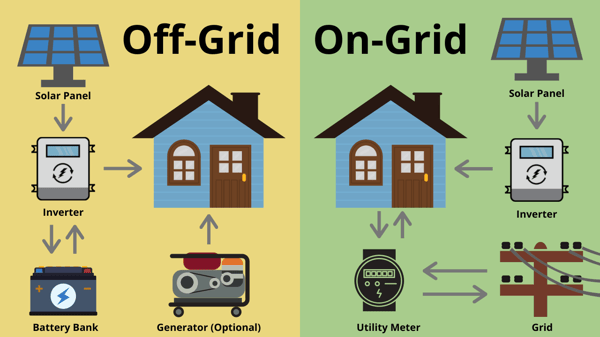
Smart invertershelp manage energy better. They change the solar power to usable electricity more efficiently. They also protect the system and help send extra power back to the grid.
Energy storage solutionslike batteries store extra power for later use. This helps homes use solar energy even at night or on cloudy days. It makes solar power more reliable and useful.
Maximizing Solar Power In Residential Settings
Optimal panel placementboosts solar power output. Panels work best facing south in the northern hemisphere. Angle panels to match your location’s latitude. Avoid shade from trees or buildings throughout the day. Proper placement can increase energy by up to 25%.
Regular maintenancekeeps panels efficient. Clean panels to remove dirt and dust. Inspect wiring and connections for damage. Check inverter status regularly. Well-maintained systems last longer and generate more power.
Integrating with home energy systemsimproves energy use. Store extra power in batteries for night use. Use smart devices to control appliances during peak solar hours. Combining solar with energy-efficient appliances reduces electricity bills and carbon footprint.
Economic And Environmental Benefits
Solar homes save moneyby cutting electric bills. Installing panels means less need to buy power from the grid. Over time, these savings add up, helping to pay back the system cost.
Solar energy reduces carbon footprint. It uses clean power from the sun, not burning fossil fuels. This means less pollution and helps fight climate change.
| Incentive | Benefit |
|---|---|
| Tax Credits | Lower upfront cost by reducing taxes owed |
| Rebates | Cash back after system installation |
| Net Metering | Earn credit for extra power sent to the grid |
These incentives make solar homes more affordable. They encourage more people to use clean, renewable energy.
Credit: www.paradisesolarenergy.com
Frequently Asked Questions
What Is The Average Power Output Of A Solar Home?
The average power generated by a solar home typically ranges between 3 kW and 7 kW. This depends on system size, location, and sunlight hours. Homes with optimal conditions can produce higher power consistently throughout the day.
How Many Solar Panels Produce Average Home Power?
A typical solar home uses 10 to 20 panels. Each panel usually generates around 300 to 400 watts. The exact number depends on household energy needs and panel efficiency.
Does Location Affect Solar Power Generation?
Yes, location greatly impacts solar power output. Homes in sunny regions generate more electricity than those in cloudy areas. Latitude and seasonal changes also influence daily energy production.
Can Solar Homes Generate Power On Cloudy Days?
Solar panels produce less power on cloudy days but still generate some energy. Modern panels are designed to capture diffuse sunlight effectively. Efficiency drops but doesn’t drop to zero.
Conclusion
Solar homes usually generate between 3 to 10 kilowatts. This depends on panel size and sunlight hours. Most homes get enough power for daily needs. Solar energy helps save money on electricity bills. It also supports a cleaner environment. Choosing the right system size is important.
It ensures you get the power you need. Solar power can work well for many homes. Thinking about solar? Consider your home’s energy use. This way, you find the best fit for you.