
Are you wondering what fuel will keep your generator running smoothly when the lights go out? Picking the right fuel is crucial for reliability and efficiency, and the choice isn’t always straightforward.
You want a fuel that offers convenience, affordability, and longevity, without compromising on power. But with options like gasoline, diesel, and propane, how do you know which one is truly the best for your needs? This guide will walk you through the pros and cons of each fuel type, helping you make a smart decision that saves you money and headaches in the long run.
Whether you’re prepping for an emergency or planning a camping trip, knowing the right fuel can be a game-changer. Let’s dive in and discover the ideal fuel that keeps your generator humming effortlessly!
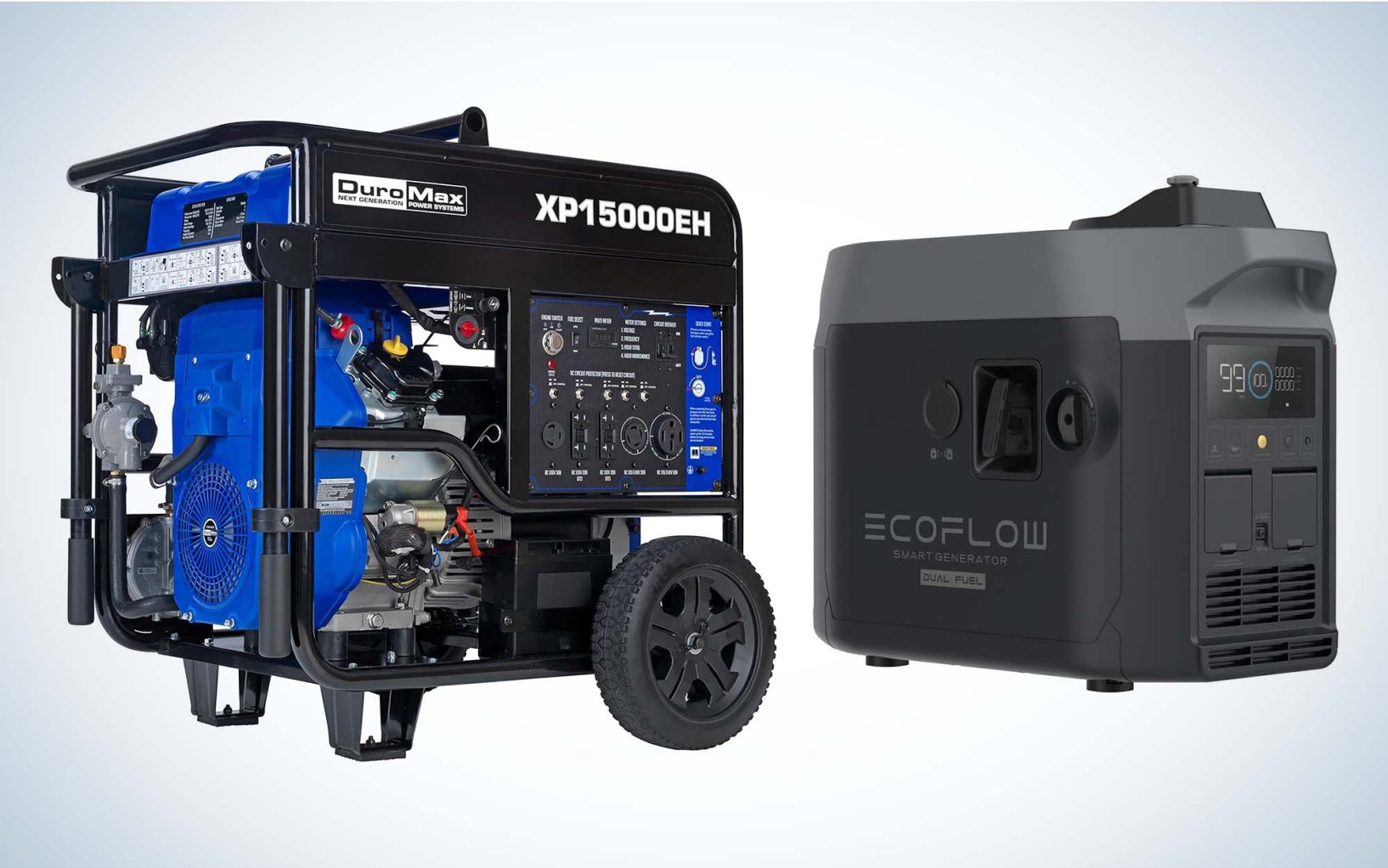
Credit: www.outdoorlife.com
Generator Fuel Options
Gasolineis a common fuel for generators. It is easy to find and use. Gasoline is often cheaper than other fuels. But it can be dangerous. It is very flammable and needs careful storage. Gasoline does not last long. It can go bad over time. This means it is not good for long-term use.
Dieselis another fuel choice for generators. It is safer than gasoline. Diesel is less flammable. It also lasts longer. Diesel engines are strong and last a long time. But diesel can be more expensive. It also makes more smoke and noise.
Propaneis a clean fuel for generators. It burns cleanly and does not make much smoke. Propane can be stored for a long time. It is also safe to use. But propane needs special tanks for storage. It can be hard to find in some areas.
Natural gasis a very clean fuel. It is good for the environment. Natural gas is not very expensive. It is easy to find in cities. But it needs a pipeline. This can be a problem if there is no pipeline nearby.

Credit: www.popsci.com
Factors Affecting Fuel Choice
Fuel costs vary a lot. Gasoline is often less expensive. Diesel might cost more, but it lasts longer. Propane is stable in price. It’s a good choice for long-term use. Think about how much you will use the generator. This helps decide the best fuel.
Not all fuels are easy to find. Gasoline is usually everywhere. Diesel is common at gas stations. Propane may not be in every store. Check local availability before choosing. Some places have special rules for fuel storage. Always plan ahead.
Some fuels are cleaner than others. Propane burns cleaner than gasoline. Diesel can cause more pollution. Think about the air and environment. Choose a fuel that harms less. It helps keep our planet healthy.
Fuels need safe storage. Gasoline can be dangerous if stored wrong. Diesel lasts longer in storage. Propane needs special tanks. Always store fuel in a safe place. Keep away from heat and flames.
Performance Comparison
Generators use different fuels for power. Gasoline gives strong power but runs out fast. Diesel is steady and lasts longer. Propane burns cleaner but gives less power. Choose based on your power needs.
Engines need the right fuel for long life. Diesel engines last the longest. They are tough and reliable. Gasoline engines wear out faster. Propane engines last long but need regular checks. Pick a fuel that suits your generator’s lifespan.
Different fuels need different care. Gasoline engines need more cleaning. Diesel engines need oil changes but are sturdy. Propane engines require fewer repairs. Regular maintenance keeps the generator running well.
Safety Considerations
Choosing the right fuel for a generator involves safety considerations. Gasoline is flammable and requires careful handling. Propane offers cleaner burning and easier storage, reducing risk of spills.
Flammability
Gasoline is very flammable. It can catch fire easily. Diesel is less flammable than gasoline. Propane is safer because it needs air to burn. Always store fuels safely. Use approved containers only. Keep them away from heat and flames.
Ventilation
Generators produce harmful fumes. These fumes can be dangerous. Always run generators outdoors. Keep them away from windows and doors. Good ventilation prevents accidents. Never use generators in closed spaces.
Handling Precautions
Handle fuels with care. Wear gloves and goggles for safety. Avoid spilling fuel on skin. Clean spills immediately. Keep fuel away from children. Always read safety instructions on fuel containers.
Future Fuel Alternatives
Biofuels come from plants and animals. They are better for the planet. They help reduce pollution. Many people think biofuels are clean and green. Farmers can grow crops for biofuels. This means more jobs for them.
Hydrogen is a gas. It is very light. It burns cleanly. This means no smoke. Many scientists call hydrogen a future fuel. It can be made from water. This is done using electricity.
Electric generators use batteries. They do not need fuel. They are very quiet. This is good for noise-sensitive areas. Many people like electric generators. They are clean and easy to use.
Choosing The Right Fuel
Generators use different fuels. Some use diesel, others use gasoline. Diesel is often used for big generators. It is powerful and lasts long. Gasoline is for smaller, portable generators. It is easy to find. Each type has its benefits.
Fuels depend on how you use your generator. For emergencies, gasoline is quick to find. It is good for short-term use. Diesel is great for long use. Farms and businesses often choose diesel. Homes may prefer gasoline for ease.
Some people like natural gas. It is clean and easy to store. Others prefer propane. It stores well and is clean too. Personal choice matters. Think about what you like and need. Choose the fuel that suits you best.
Credit: www.nytimes.com
Frequently Asked Questions
What’s The Best Type Of Gas To Use In A Generator?
Use unleaded gasoline for most generators. It’s widely available and provides efficient power. Check your generator’s manual for specific fuel recommendations. High octane gasoline may be required for some models. Avoid ethanol-blended fuels to prevent engine damage. Proper fuel ensures optimal generator performance and longevity.
Is It Better To Run A Generator On Natural Gas Or Gasoline?
Natural gas offers cleaner emissions and is often cheaper than gasoline. Gasoline provides more portability and availability. Choose based on fuel accessibility and environmental impact.
What Fuel Do Most Generators Use?
Most generators use diesel, gasoline, or natural gas as fuel. Diesel generators are popular for their efficiency and durability. Gasoline generators are typically used for portable needs. Natural gas generators offer cleaner energy options. Fuel choice depends on availability, cost, and specific generator requirements.
What Fuel Is Best For Generators?
Diesel is considered the best fuel for generators. It offers efficiency, reliability, and longevity. Diesel generators are cost-effective and perform well. They are suitable for both residential and industrial use. Diesel’s high energy density and low volatility make it safe and efficient.
Regular maintenance ensures optimal performance.
Conclusion
Choosing the best fuel for your generator matters. Consider efficiency and cost. Gasoline is easy to find. Diesel lasts longer and is safer. Propane is clean and stores well. Natural gas is convenient if available. Each fuel has its pros and cons.
Think about your needs and location. This helps in making the right choice. Reliable power depends on good fuel. So, make an informed decision. Keep your generator running smoothly. Stay prepared for any power need.