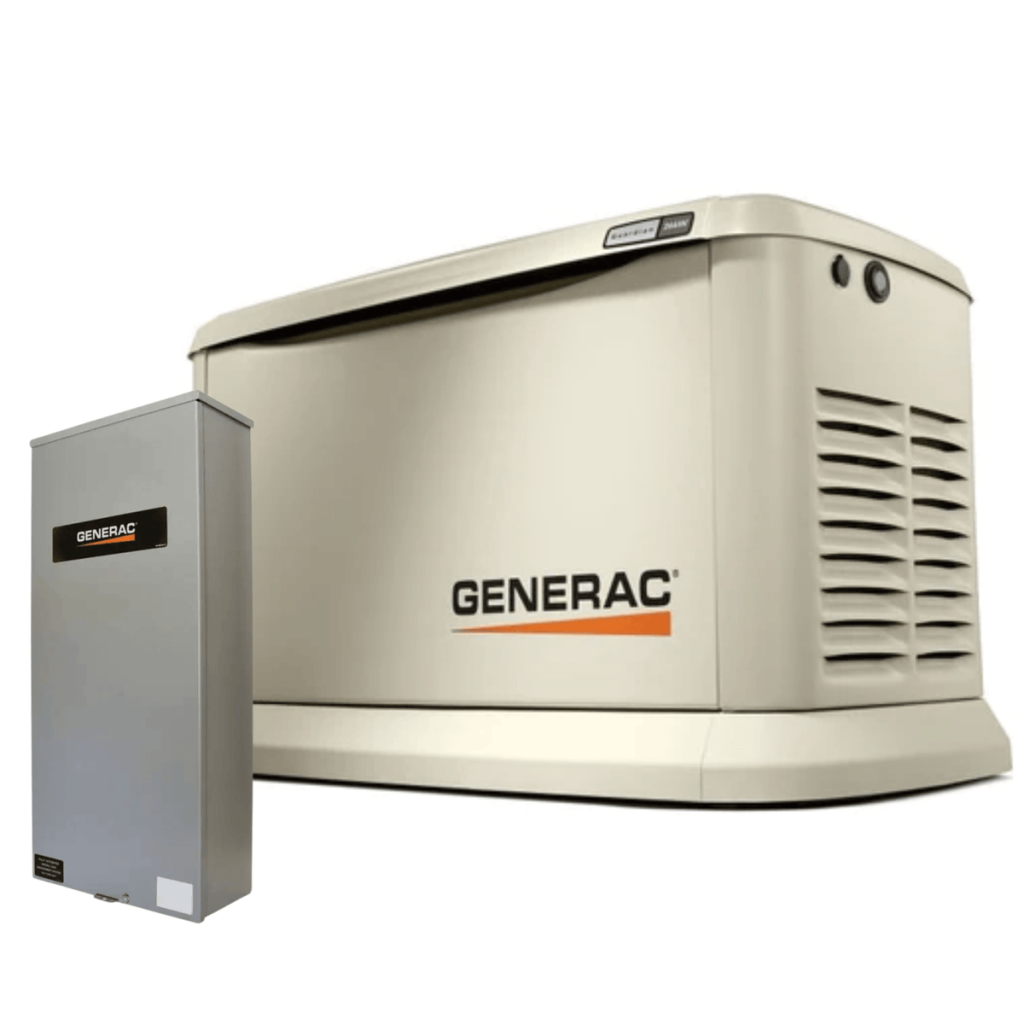
Imagine a stormy night when the power suddenly goes out. Darkness engulfs your home, and the hum of everyday life comes to a standstill.
In moments like these, having a reliable residential standby generator isn’t just a luxury; it’s a necessity. But with so many options out there, how do you choose the best one for your home? In this guide, you’ll discover everything you need to know about selecting the perfect generator to keep your home running smoothly during unexpected outages.
We’ll explore top features, compare leading brands, and help you make an informed decision that suits your needs and budget. Ready to find out which generator stands out from the rest? Read on to ensure your home is prepared for anything Mother Nature throws your way.

Credit: www.cummins.com
Benefits Of Residential Standby Generators
Residential standby generatorsprovide constant powerduring outages. They turn on automaticallywhen the main power goes out. This keeps lights, heating, and appliances working without delay. No need to start them manually.
Many models have automatic operation features. These include self-testing and automatic shutdown for safety. They run quietly and need little attention.
Standby generators add safety and convenienceto your home. They prevent power surges and protect electronics. You can stay comfortable and secure during storms or blackouts.
Key Features To Consider
Power capacitymust match your home’s needs. Too low, and it won’t run all devices. Too high wastes money and fuel. Check the total wattage of appliances you want to power.
Fuel typesinclude natural gas, propane, and diesel. Each fuel has different costs and availability. Efficiency affects how long the generator can run during outages.
Noise levelsmatter for comfort and local rules. Quieter models use sound insulation and special mufflers. Check decibel ratings before buying.
Installationneeds a professional for safety and code compliance. Maintenance includes regular oil changes, filter checks, and test runs. Easy access helps keep the generator in good shape.
Top Residential Standby Generators 2025
Best Overall Performance:Reliable power with fast startup. Supports most home appliances during outages. Quiet operation keeps noise low. Easy to maintain and durable for years.
Best Budget-Friendly Option:Affordable price without losing quality. Compact design fits small spaces. Simple controls make it easy to use. Good power for essential home needs.
Best for Large Homes:High power capacity to run many devices. Can support heating, cooling, and multiple appliances at once. Built to work for longer outages. Strong and reliable performance.
Best for Energy Efficiency:Uses less fuel while running. Saves money on energy costs. Produces less pollution. Smart technology adjusts power based on demand.
Comparison Of Leading Models
Top residential standby generators differ in power, fuel type, and price. Comparing features helps find the best fit for your home needs. Efficiency and reliability are key factors to consider.
Power Output And Coverage
Generators vary in power output, ranging from 7kW to 22kW. Choose one that fits your home’s size. Higher power means more appliances can run during outages. Some models cover entire homes, while others support only essential circuits.
Fuel Consumption And Costs
Gasoline, propane, and natural gas are common fuels. Natural gas models tend to have lower running costs. Fuel efficiency affects how long the generator runs. Check fuel consumption rates to estimate expenses.
Durability And Warranty
Look for generators made with strong materials like steel. Good warranty periods range from 5 to 10 years. Longer warranties show confidence in product durability. Maintenance needs also impact lifespan.
User Reviews And Ratings
Users often praise quiet operation and easy installation. Some report issues with customer service or parts availability. Ratings usually reflect reliability and value. Reading multiple reviews helps make a wise choice.
Installation Tips And Requirements
Preparing the site is key before installing a standby generator. Clear the area of debris and level the ground. Place the generator on a stable, non-flammable surface. Maintain enough space around the unit for ventilation and service access. Follow manufacturer guidelines for minimum distances from walls and windows.
Choosing between professional and DIY installation depends on skills and tools. Professionals ensure safe and code-compliant setup. DIY saves money but risks errors without electrical knowledge. Consider safety, local laws, and warranty terms before deciding.
| Permit or Regulation | Details |
|---|---|
| Building Permit | Required in many areas to ensure safe installation. |
| Electrical Permit | Needed for connecting generator to home wiring. |
| Noise Regulations | Check limits on generator sound levels. |
| Inspection | May be required after installation for safety approval. |

Credit: www.amazon.ca
Maintenance And Troubleshooting
Routine maintenancekeeps your standby generator ready to work. Check the oil level and change it after 50 hours of use. Clean or replace the air filter every six months. Test the battery and keep its terminals clean. Run the generator monthly for about 20 minutes to keep parts moving smoothly.
Common issues include failure to start, low power output, and strange noises. Check fuel levels and connections if it won’t start. Clean spark plugs to fix weak power. Tighten loose parts to stop unusual sounds. Reset the circuit breaker if the generator stops suddenly.
| Tip | How it Helps |
|---|---|
| Keep fuel fresh | Prevents clogs in fuel lines |
| Store in dry place | Stops rust and corrosion |
| Cover during storms | Protects from water damage |
| Follow manufacturer’s schedule | Ensures proper care and safety |
Cost Analysis And Financing Options
The initial investmentincludes the cost of the generator, installation, and permits. Prices vary based on power capacity and brand. Installation costs cover labor and materials needed for setup.
Operating expensesinvolve fuel, regular maintenance, and occasional repairs. Fuel type impacts cost; natural gas is usually cheaper than propane. Routine checks keep the generator running smoothly and extend its life.
| Incentives and Rebates | Description |
|---|---|
| Federal Tax Credits | May cover a portion of the generator’s cost based on energy efficiency. |
| State Rebates | Available in some states to reduce upfront expenses. |
| Utility Company Offers | Some utilities provide discounts or rebates for standby generators. |

Credit: canadianoffgriddepot.com
Frequently Asked Questions
What Is A Residential Standby Generator?
A residential standby generator is a backup power system. It automatically powers your home during outages. It runs on fuel like propane or natural gas. It ensures continuous electricity without manual setup or delays.
How To Choose The Best Standby Generator?
Consider power capacity, fuel type, and installation costs. Check noise levels and warranty terms. Evaluate brand reliability and customer reviews. Match the generator size to your home’s power needs for best results.
How Much Does A Standby Generator Cost?
Residential standby generators typically cost between $2,000 and $10,000. Installation and permits may add $1,500 to $5,000. Costs vary by generator size, fuel type, and installation complexity. Budget accordingly for a quality system.
How Long Can A Standby Generator Run Continuously?
Most standby generators can run for 24 to 48 hours continuously. Run time depends on fuel supply and generator capacity. Proper maintenance ensures longer and reliable operation during extended outages.
Conclusion
Choosing the best residential standby generator means thinking about your needs. Power capacity, fuel type, and budget all matter. A reliable generator keeps your home safe during outages. Quiet operation and easy maintenance make life simpler. Take time to compare features and reviews.
Good research leads to smart decisions. Stay prepared and enjoy peace of mind. Your home deserves steady power, no matter what.