When the power goes out, how prepared are you to keep your home running smoothly? Choosing the best standby generator for your home isn’t just about convenience—it’s about safety, comfort, and peace of mind.
You want a reliable solution that kicks in the moment you need it, without any hassle. But with so many options available, how do you find the perfect one for your needs? You’ll discover exactly what to look for, so you can make the smartest choice and never be left in the dark again.
Keep reading to find the standby generator that’s right for you.

Credit: www.popularmechanics.com
Benefits Of A Standby Generator
Power reliability during outageskeeps your home running smoothly. Standby generators start automatically and provide constant power. No need to wait or set them up manually. They supply electricity to essential devices like lights, refrigerators, and medical equipment.
Automatic operation featuresmake standby generators very easy to use. They sense power failure and turn on right away. Once power returns, they shut off automatically. This saves fuel and reduces wear on the generator.
Home safety and securityimprove with standby generators. Keep alarms, cameras, and security lights active all the time. This helps protect your family and property during a blackout. Also, heating or cooling systems can keep running, avoiding health risks.

Credit: www.amazon.ca
Key Features To Consider
Power outputshows how much electricity a generator can provide. Choose one that meets your home needs. Check the capacityto support all important appliances during an outage. A generator with too low power will not keep things running.
Fuel typesinclude gas, propane, and diesel. Each has pros and cons. Gas is common and easy to find. Propane burns cleaner but needs special tanks. Diesel is strong but noisier. Fuel efficiencymeans how long the generator runs on a tank full of fuel. Pick one that saves fuel and money.
Noise levelsmatter for comfort. Some generators are loud and can disturb neighbors. Look for models labeled as quietor with noise-reducing features. This makes living near the generator easier.
Installationcan be simple or complex. Some models need professional help. Check if the generator needs a special place or permits. Maintenancemeans keeping it clean and ready. Easy maintenance saves time and cost. Regular oil changes and checks are important for long life.
Top Standby Generators For Homes
Choosing the best standby generator for a home depends on power needs and budget. Reliable models offer automatic power backup during outages. Quiet operation and fuel efficiency are key features to consider.
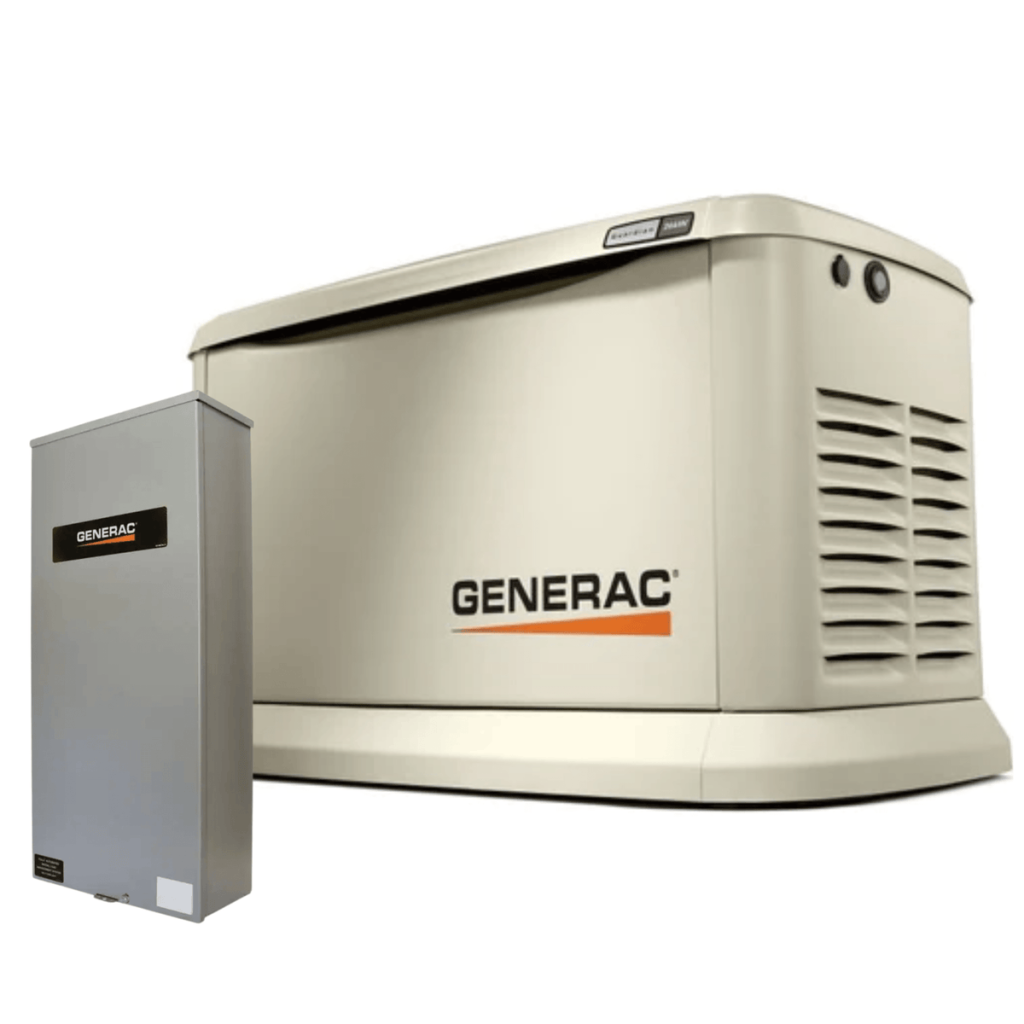
Generac Guardian Series
Generac Guardian Seriesoffers reliable power with easy installation. It runs on natural gas or propane. The units have a durable design and a user-friendly control panel. They start automatically during outages and provide power for several days.
Kohler 20rescl
The Kohler 20RESCLis known for quiet operation and fast response. It can power most home appliances. It uses a robust engine that lasts long. Maintenance is simple with accessible parts.
Briggs & Stratton 40346
Briggs & Stratton 40346delivers strong performance and fuel efficiency. It supports homes up to 20,000 watts. The model has a compact size, fitting small spaces easily. It has a smart transfer switch for smooth power shifts.
Cummins Quiet Connect
Cummins Quiet Connectstands out for silent running and easy setup. It has advanced technology to monitor power needs. The generator is weather-resistant and built for tough conditions. It offers remote monitoring via smartphone.
Champion 14-kw Model
The Champion 14-kW Modelprovides steady power for medium-sized homes. It features a strong engine with long run time. The unit has automatic start and quick transfer switch. It is budget-friendly without sacrificing quality.
Fuel Options And Their Pros And Cons
Natural gas generatorsuse gas from pipelines. They run quietly and need less fuel refills. They are good for long power outages. But, they need a gas line connection. Not all homes have this.
Propane generatorsuse bottled gas. They are easy to store and transport. Propane burns cleaner than diesel. But propane tanks must be refilled or replaced often. They may cost more to run.
Diesel generatorsare very strong and last long. They use diesel fuel, which is easy to find. Diesel engines are good for heavy loads. But diesel fuel smells and can be noisy. These generators need more care and maintenance.
Sizing Your Standby Generator
Calculate the total wattage of all the appliances you want to power. Include lights, refrigerator, heater, and other essentials. Check each appliance’s power label for wattage. Add these numbers to get your total power need.
Think about appliances you might add later. A bigger generator can handle future devices. This saves money and effort later on. Choose a generator with a bit more power than you need now.
| Appliance | Typical Wattage |
|---|---|
| Refrigerator | 600 watts |
| Heating system | 1500 watts |
| Lights (10 bulbs) | 600 watts |
| TV | 200 watts |
| Total Power Needed | 2900 watts |

Credit: www.cummins.com
Installation Tips And Costs
Professional installationensures safety and code compliance. Licensed electricians know local rules well. This option costs more but reduces risks of errors or damage. DIY installationsaves money but needs careful research and skills. Mistakes can cause hazards or void warranties.
Most areas require permitsbefore installing a standby generator. Local authorities check electrical and building codes. Failing to get permits can lead to fines or forced removal. Always check with your city or county office.
Budgeting should include:
- Cost of the generator unit
- Installation fees (professional or DIY materials)
- Permit and inspection fees
- Potential upgrades to electrical systems
| Installation Type | Pros | Cons |
|---|---|---|
| Professional | Safe, follows codes, warranty support | Higher cost |
| DIY | Lower cost, hands-on learning | Risky, may violate codes, void warranty |
Maintenance And Longevity
Regular routine checkskeep your generator running smoothly. Check the oil level and change it often. Clean or replace the air filter to avoid dirt build-up. Test the battery and make sure it is charged. Inspect fuel lines for leaks or cracks. Run the generator monthly to keep parts moving and fuel fresh.
Troubleshooting common problems is simple. If the generator won’t start, check the fuel and oil levels first. Make sure the battery is connected and charged. Listen for unusual sounds that could mean loose parts or worn belts. Look for warning lights or error codes on the control panel. Clean spark plugs if the engine runs rough or stalls.
| Tip | Action |
|---|---|
| Keep it dry | Store in a dry place to avoid rust and damage |
| Use quality fuel | Use fresh, clean fuel to prevent clogging |
| Run regularly | Run generator monthly for at least 20 minutes |
| Service on time | Follow manufacturer’s service schedule for parts replacement |
Safety Precautions
Proper ventilationis key for any standby generator. It helps stop dangerous gases from building up. Always place generators outdoors, far from doors and windows. Make sure air flows freely around the unit to keep it cool and safe.
Carbon monoxide risksare very serious. This gas is invisible and can cause sickness or death. Never run generators inside your home or garage. Use carbon monoxide detectors near living areas for extra safety.
- Turn off the generator immediately if you smell fumes.
- Keep children and pets away from the generator.
- Do not block exhaust outlets.
Emergency shutoff procedureshelp avoid accidents during power outages. Know where the shutoff switch is located. Test it regularly to ensure it works. In an emergency, switch off the generator and unplug devices before handling the unit.
Frequently Asked Questions
What Size Standby Generator Do I Need For My Home?
The size depends on your power needs. Calculate total wattage of essential appliances. Typically, 7,000 to 22,000 watts suits most homes. Consider future power needs and consult a professional for accurate sizing.
How Much Does A Home Standby Generator Cost?
Prices range from $2,000 to $15,000 or more. Costs depend on size, brand, and installation complexity. Include installation and maintenance in your budget. Investing in a quality generator ensures reliable power during outages.
How Often Should Standby Generators Be Maintained?
Regular maintenance is key to reliability. Service your generator at least once a year. Check oil, filters, and battery. Follow manufacturer’s guidelines for best results. Proper upkeep extends lifespan and improves performance.
Can A Standby Generator Power An Entire House?
Yes, if sized correctly. A large standby generator can power your whole home. Smaller units may only support essential circuits. Identify critical appliances to decide the right capacity for your needs.
Conclusion
Choosing the right standby generator is important for your home. Consider your power needs and budget. Various brands offer reliable options. Research and read customer reviews. Understand the warranty and support services. Installation is a key factor too. A professional can help with this process.
Regular maintenance ensures long-term performance. Safety features are also essential. Peace of mind during power outages is crucial. A good generator provides that. Make an informed decision. Your home’s energy needs matter. With the right generator, you can stay prepared and comfortable.