
Are you in the market for a generator but feeling overwhelmed by the choices? You’re not alone.
With so many options available, deciding between a dual fuel generator and a regular generator can be challenging. Understanding the difference is crucial, as it directly impacts your convenience, cost, and energy efficiency. Imagine having a power backup that perfectly fits your needs, offering flexibility and reliability when you need it most.
We’ll break down the key differences between dual fuel and regular generators, helping you make an informed decision with confidence. Let’s dive in and find out which one is the perfect match for you!
Understanding Generators
Dual fuel generators can run on both gasoline and propane, offering flexibility in fuel choice. Regular generators typically run on a single fuel type, usually gasoline, which may limit options in certain situations. Understanding these differences can help in selecting the right generator for your needs.
Basic Functionality
Generators make electricity when the power goes out. They help keep lights and appliances on. A regular generator uses one type of fuel. It can be gasoline or diesel. Dual fuel generators use two types of fuel. Usually, it’s gasoline and propane. This gives more options if one fuel runs out. Dual fuel generators can be more flexible. This helps in emergencies or when traveling.
Common Types
- Portable Generators:Small and easy to move. Good for camping.
- Inverter Generators:Quiet and fuel-efficient. Best for electronics.
- Standby Generators:Automatically start when power goes out. They are fixed in one place.
Dual Fuel Generators
Dual fuel generators offer flexibility by running on both gasoline and propane, unlike regular generators that use only one fuel type. This dual-fuel capability ensures more convenience and fuel availability during power outages.
Fuel Flexibility
Dual fuel generatorscan run on two types of fuel. They use both gasoline and propane. This gives users more choices. Gasoline is easy to find. Propane is cleaner and lasts longer. This flexibility helps in emergencies. You can choose the fuel that is available. This makes dual fuel generators very useful.
Operational Mechanism
These generators switch between fuels easily. They use a simple control panel. Users can select the fuel with a switch. The engine adjusts automatically. It runs smoothly on both fuels. This mechanism is easy to understand. It is safe and reliable. You can learn how to use it quickly. It is very user-friendly.
Regular Generators
Dual fuel generators offer flexibility, running on both gasoline and propane. Regular generators typically use only gasoline. Dual fuel models provide longer operation and can switch fuels based on availability, making them more versatile in emergencies. Regular generators are simpler, often being more affordable and easier to maintain.
Fuel Sources
Regular generators mainly use gasolineor dieselas fuel. These fuels are easy to find. Gasoline is often used in smaller generators. Diesel is more common in larger ones. These fuels can be stored for a long time. But they can be dangerous if not stored properly. Gasoline burns quickly and gives more power. Diesel is more efficient and lasts longer.
Working Principle
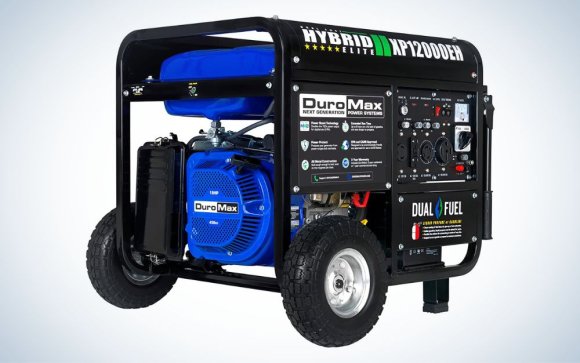
Regular generators turn fuel into power. The engine burns the fuel. This makes the engine move. The movement creates energy. This energy is used to run appliances. Generators have parts like engines, alternators, and fuel tanks. The alternator changes engine movement into electricity. It is important to check the generator often. This keeps it working well and safely.
Credit: www.popsci.com
Performance Comparisons
Dual fuel generators use both gas and propane, offering flexibility and efficiency. Regular generators typically run on a single fuel type, like gasoline. Dual fuel models provide more options during fuel shortages.
Efficiency Metrics
Dual fuel generators offer greater flexibility. They run on both gasoline and propane. Regular generators only use gasoline. Propane is often more efficient. It burns cleaner than gasoline. This reduces emissions. Dual fuel models may have a longer runtimewith propane. Gasoline can deliver more power, but runs out faster.
Power Output
Power output varies between generator types. Dual fuel generators can switch fuels based on need. This helps manage power outputeffectively. Regular generators have a single fuel source. Dual fuel generators may produce less power with propane. Gasoline provides higher power but less runtime. Choosing the right generator depends on your power needs.
Cost Implications
Dual fuel generators generally cost more upfront than regular generators. They offer flexibility in fuel choice, potentially reducing long-term fuel expenses. Regular generators are usually cheaper initially but may have higher fuel costs over time.
Initial Investment
Dual fuel generators often cost more at first. They offer flexibility with fuel types. Regular generators are usually cheaper to buy. They run on a single fuel type. This choice depends on your budget and needs. Think about how much fuel flexibility matters to you.
Long-term Expenses
Dual fuel generators can save money in the long run. You can choose cheaper fuel options. This can lower your fuel costs over time. Regular generators have fixed fuel needs. This might mean higher long-term costs if fuel prices rise. Consider your fuel options and costs when deciding.

Credit: coffeeavenue.eu
Environmental Impact
Dual fuel generators can use both gas and propane, offering more fuel flexibility. Regular generators typically run on gasoline alone. The dual fuel option often leads to reduced emissions, making them a more environmentally friendly choice.
Emissions Analysis
Dual fuel generators use gasoline and propane. They produce fewer emissions than regular generators. Propane burns cleanerthan gasoline. This reduces harmful gases. Regular generators run on gasoline only. They emit more carbon monoxide. This makes dual fuel generators more eco-friendly.
Sustainability Considerations
Dual fuel options offer flexibility. They allow switching between fuels. This extends the generator’s life. Propane stores longer than gasoline. It reduces waste and is more sustainable. Regular generators are less flexible. They rely solely on gasoline. This can lead to more frequent refueling. It may increase environmental impactover time.
Usage Scenarios
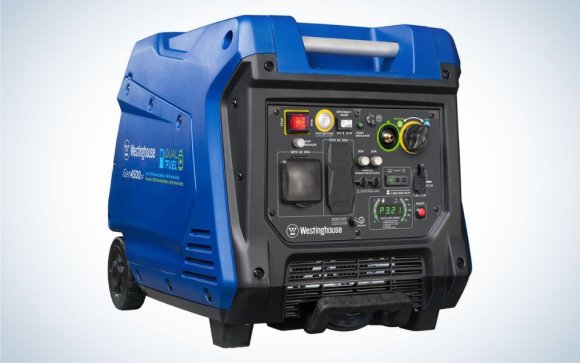
Dual fuel generators offer flexibility with propane and gasoline options, while regular generators typically use just one fuel type. This dual option can be beneficial in emergencies, providing more choices when fuel availability is limited. Regular generators are simpler but may not offer the same adaptability in varied situations.
Residential Needs
Dual fuel generators offer flexibility at home. Use gas or propane. Propane is cleaner and lasts longer. Gas is easy to find. Regular generators use only gas. They are good for short power outages. Choose based on fuel availability and storage needs.
Commercial Applications
Businesses need reliable power sources. Dual fuel generators provide options. Switch fuels easily if one runs out. This ensures continuous operation. Regular generators are simpler but less flexible. They suit businesses with consistent fuel access. Choose based on business power needs and fuel management.
Credit: www.popsci.com
Choosing The Right Generator
Choosing the right generator involves understanding the differences. Dual fuel generators run on gas and propane, offering flexibility. Regular generators typically use one type of fuel, often gasoline.
Key Factors
Generators come in different types. Dual fuel generators use two fuels. Regular generators use one fuel. Dual fuel generators are flexible. They can switch between fuels. This can help in emergencies. Regular generators are simple. They usually cost less. They are easy to maintain.
Decision Making
Decide based on your needs. Think about fuel availability. Dual fuel generators give options. They can run on gas or propane. Regular generators are straightforward. Pick what fits your situation. Consider cost and maintenance. Dual fuel might be pricier. Regular generators are typically cheaper.
Frequently Asked Questions
What Is The Disadvantage Of A Dual Fuel Generator?
Dual fuel generators are often more expensive than single fuel options. They may require more maintenance. Switching fuels can complicate operation. Fuel storage might also be an issue, needing space and safety measures. They may be less efficient, potentially leading to higher fuel consumption.
Is It Worth Buying A Dual Fuel Generator?
Yes, buying a dual fuel generator is worth it. It offers flexibility, cost savings, and fuel availability. Dual fuel generators provide reliable power during emergencies and are environmentally friendly. They can operate on both gasoline and propane, ensuring you always have a power source.
What Is The Main Disadvantage Of A Dual Fuel System?
The main disadvantage of a dual fuel system is the higher initial cost. It requires complex installation and maintenance, which can be expensive. Fuel switching may lead to efficiency issues, impacting performance and reliability. Users might face compatibility challenges with existing equipment, affecting overall system effectiveness.
What Are The Disadvantages Of Dual Fuel Engines?
Dual fuel engines can have higher initial costs and complex maintenance requirements. They may experience reduced efficiency and power loss. Fuel availability and compatibility issues can arise. Emissions control may be challenging, potentially increasing environmental impact. Operators might need specialized training to manage dual fuel systems effectively.
Conclusion
Choosing between dual fuel and regular generators depends on your needs. Dual fuel generators offer flexibility. They use gas or propane. Regular generators stick to one fuel type. They are usually cheaper. Consider fuel availability and budget. Think about the size and power output.
Noise levels matter too. Dual fuel may suit diverse environments. Regular generators work well in stable conditions. Both options have benefits. Weigh the pros and cons carefully. Make an informed decision. Ensure it fits your situation. Your choice impacts reliability and efficiency.
Select wisely for peace of mind.