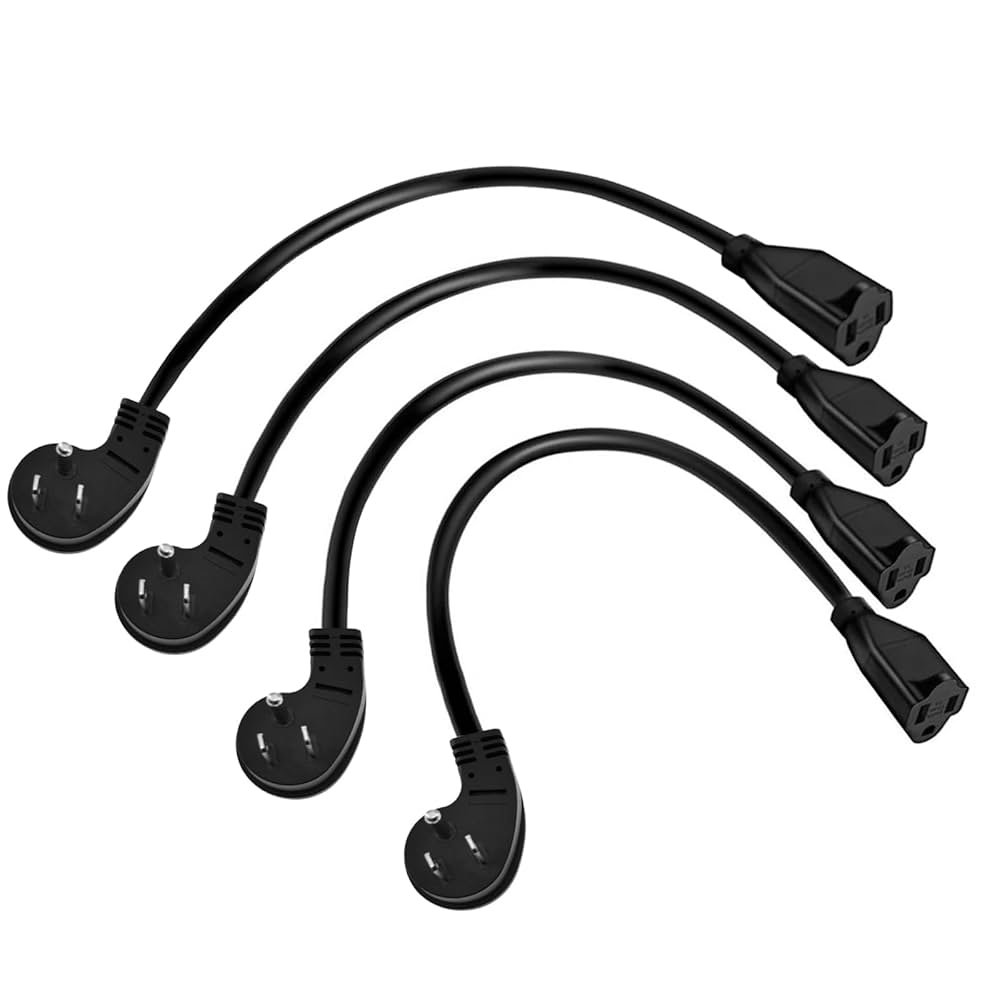
When you’re setting up your home office or tackling a DIY project, choosing the right extension cord can make all the difference in safety and efficiency. You might be wondering: what exactly is the difference between grounded and ungrounded extension cords?
This is a question many overlook, but understanding it is crucial for your safety and the longevity of your appliances. Imagine plugging in your expensive electronics only to have them damaged by a power surge. By knowing the difference, you can avoid costly mistakes and ensure your home is a safe environment.
Stick around to discover how the right extension cord can protect your gadgets and keep your household running smoothly. Ready to make an informed choice? Let’s delve into what sets these two types of cords apart.

Credit: www.amazon.com
Grounded Extension Cords
Grounded extension cords have three wires: live, neutral, and ground. This design adds an extra layer of safety. The ground wire helps prevent electric shocks and fires by directing electricity away from the user.
The cord’s plug includes a third prong that connects to the ground wire. The wires are usually thicker for better durability. The outer casing is often made from strong, flexible material to resist wear and tear.
- Safety featuresinclude protection against electric shocks and short circuits.
- They reduce the risk of electric fires by grounding excess electricity.
- Commonly used for appliances that need extra safety, like computers and kitchen devices.
- Ideal for outdoor use where moisture or damage could occur.
Ungrounded Extension Cords
Ungrounded extension cords have only two wires: live and neutral. They lack a third grounding wire. This design makes them simpler but less safe. The outer casing is usually thin and flexible. These cords are lighter and cheaper to produce.
Safety risks include a higher chance of electric shock. Without grounding, electricity can’t safely escape if a fault occurs. They also pose fire hazards if damaged or overloaded. Ungrounded cords should never be used with metal appliances that need grounding.
- Used with small, low-power devices like lamps or chargers
- Suitable for indoor use only
- Not recommended for outdoor or heavy-duty tools
- Common in older homes or for temporary setups
Comparing Grounded And Ungrounded Cords
Grounded extension cordshave a third wire called the ground wire. This wire helps protect from electric shocks. Ungrounded cordshave only two wires and offer less protection. Using grounded cords reduces risk during electrical faults.
Grounded cordstend to last longer. The ground wire protects the internal wires from damage. Ungrounded cordsare less durable and can wear out faster. Proper use can extend both types’ life, but grounded ones are safer for heavy use.
| Feature | Grounded Cord | Ungrounded Cord |
|---|---|---|
| Electrical Protection | Has ground wire for safety | No ground wire, less safe |
| Durability | More durable, longer life | Less durable, wears faster |
| Cost | Usually more expensive | Cheaper, less costly |

Credit: www.amazon.com
Key Safety Tips
Grounded extension cordshave three prongs, including a grounding pin. They protect against electric shocks by directing extra current safely to the ground. Use grounded cords with power tools, kitchen appliances, or outdoor equipment. They are best for devices with metal cases or high power needs. Ungrounded cordshave only two prongs and lack this safety feature. They are suitable for low-power devices like lamps or chargers that do not need grounding.
Using ungrounded cords in wet or outdoor areas can cause electric shock. Avoid plugging ungrounded cords into damp places or heavy machines. Keep cords away from sharp edges or heat sources to prevent damage.
- Check cords regularly for cuts or frays.
- Do not use damaged cords.
- Store cords coiled and dry.
- Unplug cords by pulling the plug, not the cord.
- Replace cords that feel hot or smell burnt.
Choosing The Right Extension Cord
Check the power needsof your devices. Use cords that match the voltageand amperagerequired. A cord with too low capacity can cause overheatingor damage.
Match the extension cord to the device type. For small appliances, a lighter cord may work. For heavy tools, choose a cord with thicker wires and grounding.
- Use grounded cordsin wet or outdoor places for safety.
- Ungrounded cordssuit dry, indoor use with low-power tools.
- Look for cords with weather-resistantcoatings if used outside.

Credit: powercordmanufacturers.com
Frequently Asked Questions
What Is A Grounded Extension Cord?
A grounded extension cord has three wires, including a ground wire. This wire improves safety by preventing electrical shocks and fires. It is used for appliances needing extra protection, like power tools and kitchen devices.
How Does An Ungrounded Extension Cord Work?
Ungrounded extension cords have only two wires and lack a ground wire. They are suitable for low-power devices without grounding needs, like lamps or chargers. They offer less protection against electrical faults compared to grounded cords.
Why Choose Grounded Over Ungrounded Cords?
Grounded cords provide better safety by directing stray electricity to the ground. They reduce shock risk and protect sensitive equipment. Ungrounded cords are less safe and best for simple, low-power devices.
Are Grounded Cords Required By Law?
Many electrical codes require grounded cords for certain appliances and tools. Using grounded cords enhances safety and compliance with regulations. Check local laws to ensure proper extension cord use.
Conclusion
Choosing between grounded and ungrounded extension cords depends on safety needs. Grounded cords have three prongs and protect against electrical shocks. Ungrounded cords have two prongs and work for simple devices. Always pick the cord that fits your equipment and environment.
Safety should come first to avoid hazards. Knowing the difference helps you use cords properly. Use grounded cords for heavier or metal appliances. Ungrounded cords suit low-power tools and lamps. Stay safe, and keep your devices running smoothly.