
Imagine facing a power outage during a crucial moment. You might wonder how you can keep your devices running or preserve the food in your fridge.
This is where solar backups come into play, offering a reliable solution to keep your home powered when the grid fails. But with options like portable and stationary solar backups, which is the right choice for you? You might find yourself questioning the differences between them and how each can fit into your life.
You’ll discover the unique benefits and limitations of portable and stationary solar backups, helping you make an informed decision that suits your lifestyle and energy needs. Let’s dive into the world of solar power and find the perfect backup solution for you!
Credit: udpwr.com
Portable Solar Backup
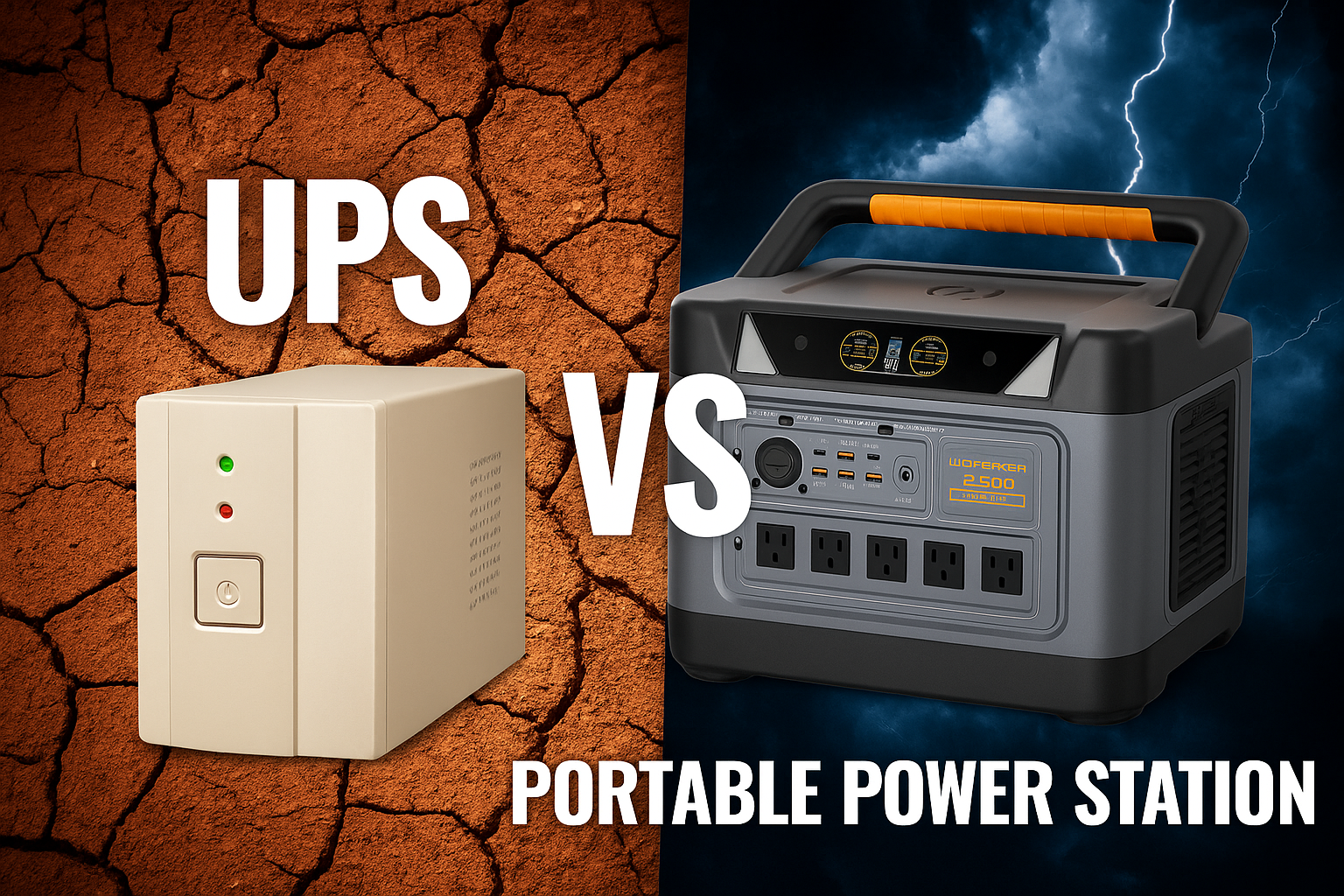
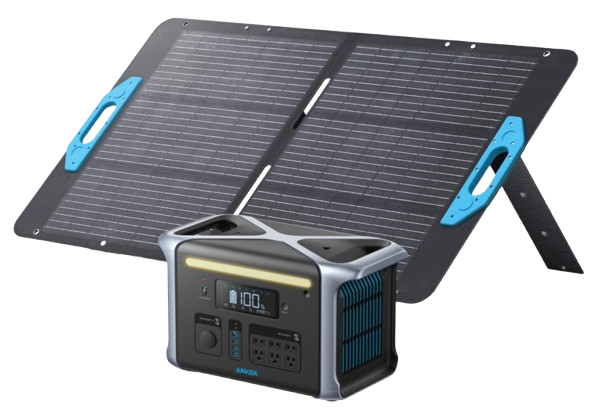
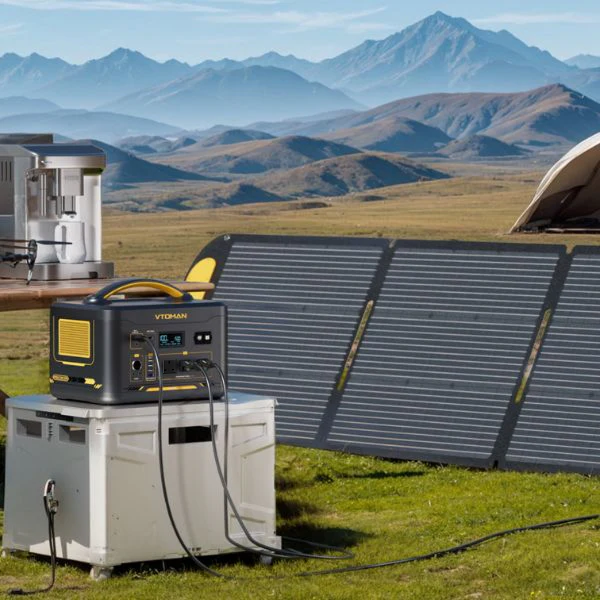
Portable solar backups are small and easy to carry. Lightweight design makes them simple to move. They use solar panels to get energy from the sun. Battery storage saves energy for later use. Some models have USB ports for charging devices. Others come with LED lights for night use.
They are easy to transport and set up anywhere. These backups are great for outdoor adventures. They can power small devices like phones and cameras. Limited capacity means they can’t power big appliances. Weather dependence can affect performance. Battery life varies by model.
- Camping trips
- Outdoor parties
- Emergency use
- Small gadgets charging
Stationary Solar Backup
Portable solar backups are easily movable and suitable for temporary setups. Stationary solar backups provide long-term energy solutions and require installation. Both offer renewable energy, but stationary systems are fixed and often more powerful.
Features And Specifications
Stationary solar backups are fixed in one place. They are installed at homes or buildings. These systems have larger panels. They provide more power than portable ones. They connect to the main electrical system. Battery capacity is often higher. This allows for longer power supply. Installation is more complex. It requires professional help. They usually need more space.
Advantages And Limitations
Stationary systems offer reliable power. They work well for long-term use. High power output is a key advantage. But they are not moveable. Installation costs can be high. They need more maintenance. They can be affected by weather. They are great for permanent locations.
Ideal Use Cases
- Homes needing backup power
- Businesses with high power needs
- Areas with frequent power outages
- Locations with enough space for panels
Comparative Analysis
Portable solar backups are often cheaperthan stationary ones. They are easy to move around and require less setup. Stationary systems usually cost more due to their larger sizeand installation needs. These systems are fixed in one place and often have higher capacities. Investing in stationary systems can mean more upfront costs but may save money over time.
Portable systems are easy to install. Just plug and play. They need little maintenance. Stationary systems need professional installation. This can be costly. Maintenance for stationary systems is more frequent. It may require expert help. Regular checks keep them efficient.
Stationary solar backups often provide better performance. They can handle more power. Portable systems have limited efficiency. They are good for small needs. Stationary systems work well for homes or offices. They offer more energy for longer times.
Credit: generatorpeak.com
Environmental Impact
Portable solar backups offer flexibility, allowing movement and easy setup in various locations. Stationary systems provide stability with larger capacity but require permanent installation. Both types help reduce reliance on non-renewable energy sources, minimizing environmental impact.
Sustainability Factors
Portable solar backups are often designed for shorter-term use. They are typically made with lighter materials. This can lead to more frequent replacement and waste. Stationary solar systems are built for long-term use. They are more robust and durable. This reduces waste over time. The materials used are often more sustainable. This contributes to a smaller carbon footprint.
Energy Consumption
Portable solar backups use less energy. They are suitable for small devices or short trips. Stationary systems provide more power and can run homes. They store more energy, offering better reliability. This makes them ideal for long-term needs. Portable systems are more suited for temporary solutions.
Choosing The Right Option
Choosing the Right Option Portable solar backups are easy to move and ideal for trips. Stationary solar backups offer more power and are great for home use. Understanding your needs helps in selecting the best fit for energy security.
Assessing Personal Needs
Choosing between portableand stationary solar backupdepends on your needs. Portable solar systems are easy to move. They are ideal for camping or travel. Stationary systems stay in one place. They are fixed on rooftops or large areas. Think about your lifestyle. Do you travel often? Or do you stay home most times? These questions help you decide.
Evaluating Long-term Benefits
Look at the long-term benefitsof each option. Portable systems are flexible. They can be used in different locations. Stationary systems offer strong power supply. They are good for homes and businesses. Portable systems might need less upfront money. Stationary systems may save more money over time. Consider how often you need power. Think about the cost too. Making the right choice is important.
Future Trends
Exploring solar backup options reveals key differences between portable and stationary systems. Portable solar backups offer mobility and convenience. Stationary solar backups provide more power and are suitable for long-term use.
Technological Advancements
Solar technology is growing fast. Portable solar systems are becoming more efficient. They are easier to carry now. Stationary systems are getting smarter too. They can store more energy. Both types will use better batteries soon. These batteries will last longer. Smart controls will help manage energy use. This will make solar power even more useful.
Market Predictions
The solar market is changing quickly. Portable solar will be popular for camping trips. People will use them on boats. Stationary solar systems will power homes. More people will install them on roofs. Solar will be cheaper soon. Prices will drop. This will make solar power more common. Many families will choose solar energy.
Credit: uk.vtoman.com
Frequently Asked Questions
Do Portable Solar Panels Work On Cloudy Days?
Portable solar panels work on cloudy days but generate less power. Clouds reduce sunlight, affecting efficiency. Despite this, panels still produce some energy, albeit at a reduced rate. Optimal performance occurs under direct sunlight, but they remain functional even with overcast conditions.
Is It Worth Buying A Portable Solar Generator?
Buying a portable solar generator is worth it for eco-friendly energy solutions. It provides power during outages, is cost-effective, and reduces carbon footprint. Ideal for camping and outdoor activities, it offers convenient charging for devices. Investing in a portable solar generator enhances energy independence and sustainability.
What Is A Portable Solar?
A portable solar device converts sunlight into electricity, offering mobility and convenience. It powers gadgets, lights, and small appliances outdoors. These systems typically include solar panels, batteries, and inverters, making them ideal for camping, traveling, and emergency use. They’re eco-friendly, reducing reliance on traditional power sources.
How Long Does A Portable Solar Panel Last?
A portable solar panel typically lasts 25 years or more with proper maintenance. Regular cleaning ensures efficiency. Quality and usage affect longevity. Most models come with warranties covering 20-25 years. Choose high-quality panels to maximize lifespan and performance. Check manufacturer guidelines for specific durability details.
Conclusion
Choosing between portable and stationary solar backups depends on your needs. Portable systems offer flexibility and ease of transport. They suit those on the move or with small power needs. Stationary systems provide more power and stability. Ideal for homes or larger energy requirements.
Both options have their unique benefits and drawbacks. Consider your lifestyle and energy use when deciding. Cost and installation should also guide your choice. Solar energy is a smart, sustainable option for backup power. Make an informed decision for a reliable energy source.