
Are you confused about the different types of UPS systems and which one you need? You’re not alone.
Understanding the difference between standby and online UPS can be crucial for protecting your electronic devices from power disturbances. Whether you’re safeguarding your home office equipment or securing critical business infrastructure, choosing the right UPS is essential. Imagine losing important data or damaging expensive equipment due to unexpected power outages or fluctuations.
That’s a scenario you definitely want to avoid, right? You’ll discover the key differences between standby and online UPS systems, helping you make an informed decision that ensures your devices remain safe and operational. By the end of this read, you’ll have a clear understanding of how each system works, their benefits, and which one suits your needs best. So, let’s dive in and unravel the mystery of these power protection solutions that could save you from costly downtime and headaches.
Understanding Ups Systems
Standby UPS provides power backup using battery only during outages, while Online UPS constantly supplies power through its inverter, ensuring uninterrupted electricity flow.
Standby Ups Systems
Standby UPS is a basic type of power backup. It waits for power failure before activating. It switches to battery quickly. It’s ideal for home use. The system is simple and affordable. It protects against short power outages. Standby UPS provides basic surge protection too.
Online Ups Systems
Online UPS offers continuous power supply. It uses double conversion technology. Power is always drawn from the battery. It is reliable for critical setups. Online UPS is ideal for data centers. It has no switching delay. It provides advanced surge protection. Online UPS systems are expensive but efficient.
- Standby UPS is cheaper; Online UPS costs more.
- Standby UPS switches during power loss; Online UPS does not switch.
- Online UPS offers better protection.
Credit: gycxsolar.com
Standby Ups Features
Standby UPS systems are simple and compact. They remain in standby mode until power failure. During normal operation, they bypass the power directly from the main supply to the devices. This makes them efficient for small loads. They are suitable for home electronics or small offices.
In a power outage, the transfer switch activates. It switches to the backup battery. This process takes milliseconds. During this time, a small delay might occur. This delay is usually unnoticeable for most devices. However, sensitive equipment might be affected.
Standby UPS units are cost-effective. They consume less power because of their passive operation. They are affordable for users with basic needs. Standby UPS units provide basic protection against power surges and outages.
Online Ups Features
Online UPS systems provide continuous power supply, offering better protection compared to standby UPS. Standby UPS switches to battery during power loss, while online UPS continuously powers devices, ensuring no interruption.
Continuous Power Supply
Online UPS systems provide a continuous power supplyto your devices. They switch to battery power without delay. This keeps your devices safe from power interruptions.
Voltage Regulation
Online UPS offers excellent voltage regulation. It ensures stable power by filtering out voltage spikes and drops. This protects sensitive equipment from damage.
Higher Efficiency
These UPS systems have higher efficiencyduring power outages. They maintain optimal performance even under heavy load. This makes them a reliable choice for critical applications.
Credit: instrumentationtools.com
Key Differences
Standby UPS activates during power loss, providing backup. Online UPS continuously filters power, ensuring no interruption. Both serve crucial roles in protecting devices, but differ in operation.
Power Conversion
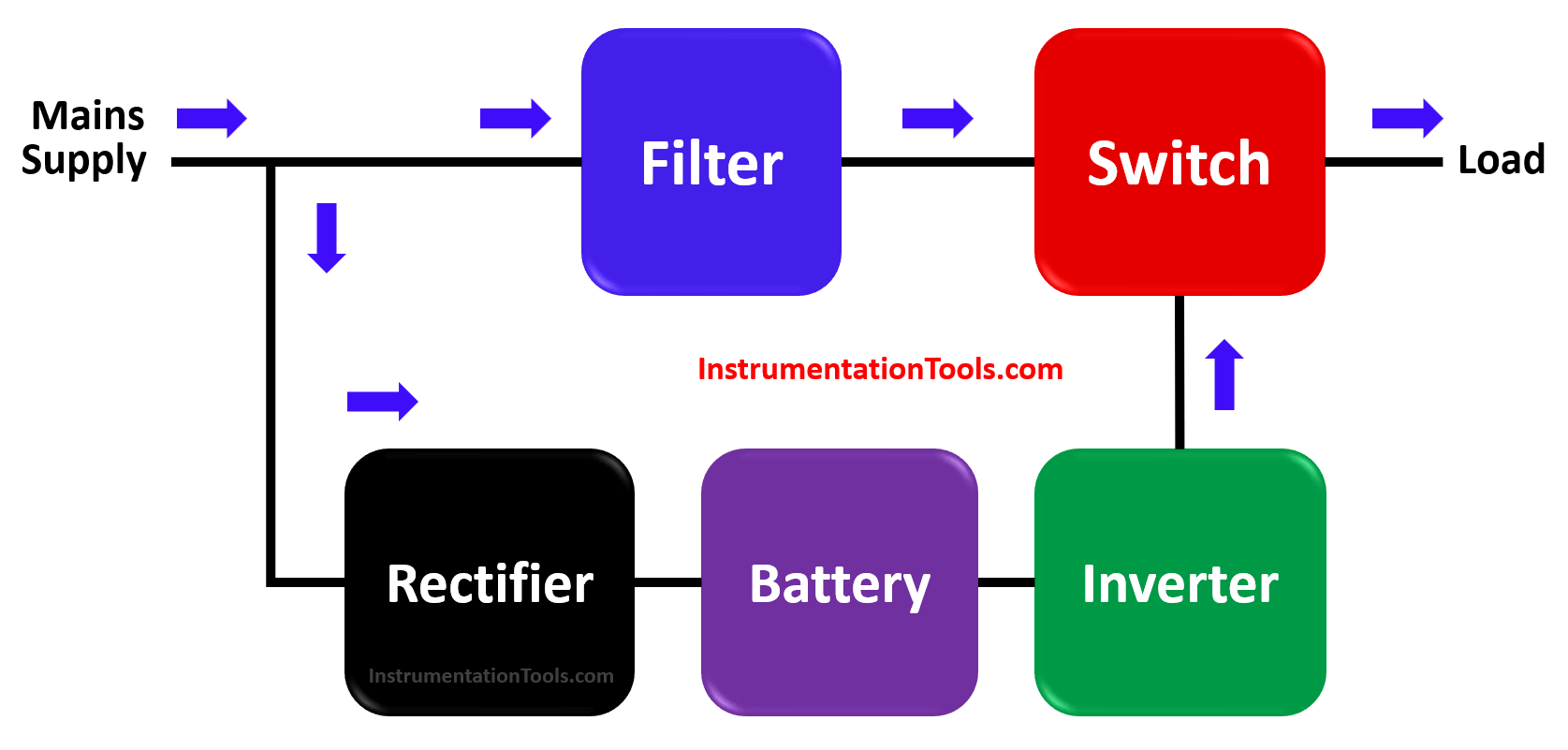
Standby UPSconverts power when needed. It usually stays off. It turns on when the power fails. Online UPSalways converts power. It provides continuous protection. Standby is simpler, while online is more advanced.
Response Time
Standby UPS has a short delay. It takes a few milliseconds to switch. This can be risky for sensitive devices. Online UPS has no delay. It provides instant power. This makes it safer for important equipment.
Application Suitability
Standby UPS is good for home use. It’s suitable for computers and small devices. Online UPS is better for servers and networks. It is used in offices and data centers. Each type has its own best uses.
Choosing The Right Ups
Choosing the right UPS involves understanding the differences between standby and online models. Standby UPS provides basic protection by switching to battery during outages. In contrast, online UPS offers continuous power, ensuring stable voltage and frequency, which is ideal for sensitive equipment.
Assessing Power Needs
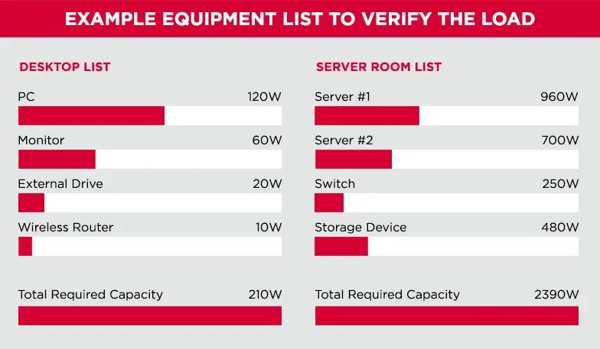
Think about the devices you need to protect. Some devices need more power. Computers and servers need steady power. Lights and fans might not need as much power. Check the total wattage of all devices. Add a little extra to be safe. This helps choose the right UPS size.
Budget Considerations
Standby UPS is usually cheaper. It’s a good choice for small setups. Online UPS costs more. It’s better for big or important setups. Think about what you can spend. Spending more can mean better protection. But always stay within your budget.
Long-term Reliability
Online UPS often lasts longer. It gives constant power without breaks. This makes it more reliable. Standby UPS works well for short power cuts. It may not be as reliable for long-term use. Choose wisely based on how long you need protection. Reliability is key for peace of mind.

Credit: www.linkedin.com
Real-world Applications
Standby UPS provides backup power only when the main power fails, suitable for home use. Online UPS delivers continuous power, ideal for businesses needing constant protection against outages and fluctuations.
Home Use
Standby UPSis good for home electronicslike computers and TVs. It helps when there’s a power outage. The backup power comes on quickly. Online UPSis also used at home but is more costly. It provides continuous power. It is best for sensitive devices.
Business Environments
Standby UPSis used for small offices. It protects basic machines like printers. Online UPSis better for large companies. It ensures steady powerfor important servers. This makes sure data stays safe. Businesses choose based on power needs.
Industrial Settings
Online UPSis perfect for industrial machines. It handles power fluctuationswell. Standby UPS might not be enough here. Industries need constant powerfor heavy equipment. Safety and reliabilityare crucial. Choosing the right UPS is vital.
Technological Advancements
Understanding the difference between standby and online UPS is crucial for choosing the right power backup. Standby UPS provides basic power protection, switching to battery during outages. Online UPS offers continuous power, converting incoming AC to DC and back to AC, ensuring a stable power supply.
Hybrid Ups Systems
Hybrid UPS systems combine features of standby and online UPS. They offer better efficiency and flexibility. These systems switch between modes based on demand. This helps in saving energy and costs. Hybrid systems are ideal for small offices and home use. They provide reliable power and are easy to maintain.
Smart Ups Technology
Smart UPS technology includes advanced features like remote monitoring. It allows users to check power status from anywhere. It can send alerts for power issues. Smart UPS can adjust settings automatically. This ensures optimal performance. They are great for large companies needing constant power. Smart UPS helps in preventing data loss and equipment damage.
Frequently Asked Questions
What Is The Difference Between A Standby Ups And An Online Ups?
A standby UPS switches to battery when power fails. An online UPS continuously provides power from the battery. Standby UPS is cost-effective, ideal for less critical devices. Online UPS offers seamless power, suitable for sensitive equipment requiring constant protection. Both ensure device safety during outages.
What Is Ups Standby Mean?
UPS standby refers to a backup power system that activates during outages. It switches to battery power when main supply fails, ensuring continuous operation. Standby UPS systems are cost-effective and suitable for non-critical equipment. They offer basic protection against power interruptions and voltage fluctuations.
What Is The Basic Difference Between Online Ups And Offline Ups?
Online UPS provides continuous power supply without switching time during an outage. Offline UPS switches to battery backup after power loss, causing a brief delay.
What Is The Difference Between Ups And Standby Power?
A UPS provides immediate power backup during outages, ensuring uninterrupted operation. Standby power systems activate manually or automatically after a delay, mainly for longer outages. UPS is crucial for sensitive electronics, while standby power suits broader applications like whole buildings.
Both enhance reliability but serve distinct purposes.
Conclusion
Choosing between standby and online UPS is crucial for your needs. Standby UPS offers basic protection. Great for home use. Online UPS provides continuous power. Ideal for critical systems. Cost and complexity vary between the two. Consider your equipment’s sensitivity and budget.
Understanding these differences helps make informed choices. Keep your devices safe and reliable. Both options have unique benefits. Make sure to assess your specific requirements. This ensures optimal performance and security.