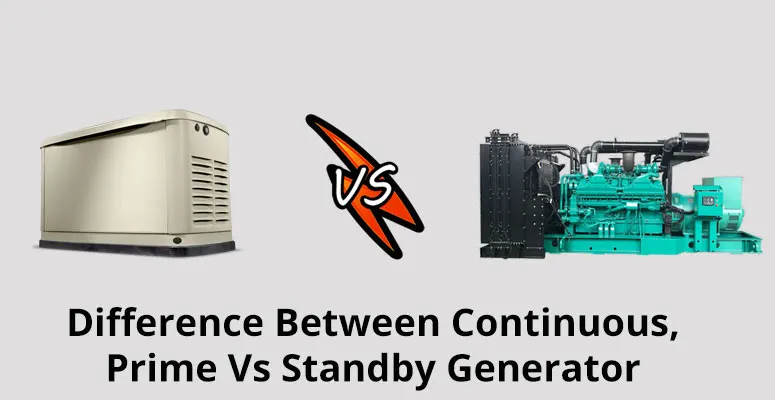
Are you confused about choosing the right generator for your needs? Understanding the difference between standby and prime rated generators can save you time, money, and hassle.
Whether you’re looking to power your home during an outage or need a reliable energy source for your business operations, knowing the right type of generator is crucial. Imagine the peace of mind you’ll have when you know exactly which generator suits your specific needs.
Dive into our guide to discover the key differences, and make an informed decision that ensures reliability and efficiency. Keep reading to unlock the secrets of generator ratings and find the perfect match for your power needs.
Standby Generators
Standby generatorsare made to provide power during emergencies. They start automatically when the main power fails. These generators are not for continuous use. They run only for a short time until the main power returns.
Their power outputis stable but designed for short bursts. They can handle sudden power needs but are not meant for long hours of operation. This makes them different from generators made for continuous power.
- Homes needing backup power during outages
- Small businesses requiring emergency power
- Places where power interruptions are rare but critical

Credit: www.pdgenerators.com
Prime Rated Generators
Standby generators provide power only during outages, while prime rated generators run continuously. Prime rated models handle heavy loads and long hours without damage. Understanding this helps choose the right generator for your needs.
Design And Functionality
Prime rated generators are built to run for long hours. They handle varying loads without damage. Their engines are strong and reliable. These generators adjust power output based on demand. They are designed to work in tough conditions continuously.
Power Output Capacity
Prime rated generators deliver power continuously. They can run at full load for many hours. Their capacity is usually higher than standby generators. The power is stable and smooth. This makes them perfect for sensitive equipment.
Common Use Cases
- Factories and industrial plants
- Remote locations without grid power
- Large construction sites
- Backup for data centers needing long backup
- Events requiring steady power for hours
Performance Comparison
Standby generatorsare designed for short-term use during power outages. They handle sudden high loads but should not run continuously for long periods. Prime rated generatorscan run for long hours and handle variable loads without damage. They are built for continuous use in places without reliable power.
| Feature | Standby Generators | Prime Rated Generators |
|---|---|---|
| Load Handling | Handles peak loads for short times | Handles variable loads continuously |
| Operating Hours | Used occasionally, short durations | Can run for many hours daily |
| Fuel Efficiency | Less fuel efficient in long use | More fuel efficient for long runs |
Cost Considerations
Standby generatorsoften cost less upfront than prime rated generators. This is because standby units are designed for occasional use, while prime units handle continuous loads.
Maintenance costs also differ. Standby generators need less frequent service since they run only during outages. Prime rated generators require regular checks and part replacements due to constant operation.
| Cost Aspect | Standby Generator | Prime Rated Generator |
|---|---|---|
| Initial Investment | Lower, suitable for backup power | Higher, built for continuous use |
| Maintenance Expenses | Less frequent, lower cost | Regular, higher cost |
| Long-Term Value | Good for emergency use | Better for constant power needs |
Choosing The Right Generator
Choosing the right generator depends on several key factors. Assessing power needsis crucial. Standby generators are best for backup power during outages. Prime rated generators handle continuous use and heavy loads. Knowing how much power you need helps decide which type fits.
Environmental factorsalso matter. Standby generators are usually automatic and start during power loss. Prime generators often run longer and can handle harsher conditions. Noise and fuel type might affect your choice too.
Budget constraintsplay a big role. Standby generators often cost less upfront but may need more maintenance. Prime rated generators are pricier but built for long-term use. Think about both initial cost and running expenses before buying.
Credit: woodstockpower.com

Credit: www.generatorunit.com
Frequently Asked Questions
What Defines A Standby Generator’s Primary Function?
A standby generator provides emergency power during outages. It automatically activates when the main power fails, ensuring continuous electricity for critical systems.
How Is A Prime Rated Generator Different In Use?
Prime rated generators deliver continuous power for extended periods. They are ideal for locations without reliable grid access or for heavy-duty industrial applications.
Can Standby Generators Run Continuously Like Prime Rated Ones?
Standby generators are not designed for continuous operation. They run only during power outages, unlike prime rated generators built for prolonged use.
What Are The Power Output Differences Between Both Types?
Prime rated generators can handle variable loads continuously. Standby generators provide fixed power output mainly for backup during short outages.
Conclusion
Standby and prime rated generators serve different needs. Standby generators provide backup power during outages. Prime rated generators run continuously in places without regular power. Choosing the right type depends on your power needs and usage. Both types have unique features and benefits.
Understanding these differences helps you pick the best option. This ensures reliable power for your home or business. Always consider how often and how long you need power. This simple knowledge can save time and money.