
Have you ever stopped to think about the trash you throw away every day? Understanding what makes up the most solid waste in the US can change how you see your own habits—and even how you can help protect the environment.
You’ll discover the biggest contributors to the country’s waste problem. Knowing this can empower you to make smarter choices that reduce waste and make a real difference. Keep reading to find out what’s filling up landfills and what you can do about it.
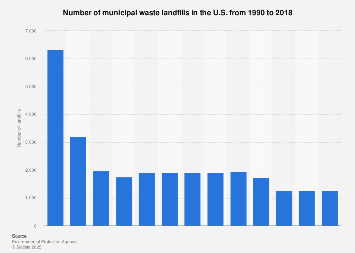
Credit: www.statista.com
Types Of Solid Waste In The Us
Municipal Solid Wasteincludes everyday items thrown away by households and businesses. It covers food scraps, paper, plastics, and glass. This waste makes up a large part of what cities collect.
Industrial Wastecomes from factories and manufacturing plants. It includes scrap metals, chemicals, and other byproducts. This waste can be large in volume but varies by industry.
Hazardous Wasteis dangerous to people and the environment. Examples include paints, batteries, and pesticides. Special care is needed for its disposal.
Construction and Demolition Debrisconsists of materials from building sites. Wood, concrete, bricks, and metals make up most of this waste. It is bulky and often recycled.
Leading Contributors To Waste Generation
Residential sourcesproduce a large part of solid waste. People throw away food scraps, paper, plastics, and packaging every day. Old clothes, broken toys, and furniture add to the waste. Many households also discard electronic waste like batteries and small gadgets.
Commercial and institutional sourcesinclude businesses, schools, and hospitals. These places create waste such as cardboard, paper, food waste, and packaging materials. Hospitals also generate special waste like used gloves and medical supplies.
Manufacturing and industrial sourcesproduce waste from factories and plants. This waste includes metal scraps, plastics, chemicals, and packaging. Some waste can be harmful and needs special handling to keep people safe.
Top Solid Waste Materials By Volume
Food wastemakes up a large part of the trash in the US. It includes leftovers, spoiled fruits, and vegetables. This waste often ends up in landfills, causing harmful gases.
Paper and cardboardare also common. They come from newspapers, boxes, and packaging. Many of these can be recycled to save trees and energy.
Plastic wasteis a big problem. Items like bottles, bags, and containers take many years to break down. They harm animals and the environment.
Yard trimmingsinclude leaves, grass clippings, and branches. These can be composted to make soil healthier. Composting helps reduce landfill waste.
Surprising Waste Generation Statistics
The most solid waste generated in the US is municipal solid waste (MSW). This includes everyday items like food scraps, packaging, paper, plastics, and yard waste. In recent years, the US produces over 292 million tonsof MSW annually. Food waste and paper make up the largest parts.
Waste generation varies by region. States with large cities create more waste than rural areas. The Northeast and Westtend to produce less waste per person than the South and Midwest.
| Region | Waste Generated (tons/year) | Waste Per Capita (pounds/year) |
|---|---|---|
| South | 100 million+ | 1,800+ |
| Midwest | 80 million+ | 1,700+ |
| Northeast | 60 million+ | 1,200+ |
| West | 50 million+ | 1,300+ |
- The average American throws away about 4.9 poundsof trash daily.
- Paper and paperboard make up about 23%of all waste.
- Plastics account for roughly 13%of the total waste.
- Food waste is nearly 22%of all discarded materials.
Environmental Impact Of Major Waste Types
Landfill overflowcauses serious problems. It takes up space and creates pollution. Harmful chemicals can leak into the soil and water. This affects both people and nature.
Landfills also produce greenhouse gaseslike methane. These gases trap heat in the atmosphere. They make the Earth warmer and change the climate. Methane is much stronger than carbon dioxide in warming.
Waste harms wildlife and ecosystems. Animals can eat trash or get stuck in it. This can hurt or kill them. Trash also breaks down habitats. Plants and animals lose places to live.

Credit: www.statista.com
Efforts To Reduce And Manage Waste
Recycling programshelp turn waste into new products. Many cities have bins for paper, plastic, and glass. This lowers trash in landfills and saves energy.
Composting initiativesturn food scraps and yard waste into rich soil. This reduces garbage and helps plants grow better. People can compost at home or in community centers.
Waste-to-energy technologieschange trash into electricity or heat. This cuts down landfill size and creates useful power. It works best with dry, burnable waste.
Legislation and policiesset rules to control waste. Laws may ban certain plastics or require recycling. These rules guide companies and citizens to manage waste responsibly.
Future Trends In Waste Generation
Plastic waste leads in solid waste generation in the US, followed by food scraps and paper. Growing urban areas and consumer habits drive future waste trends. Understanding these patterns helps improve recycling and reduce landfill use.
Innovations In Waste Reduction
New technologies help reduce waste in many ways. Recycling processes are becoming more efficient and cheaper. Composting food waste turns it into useful soil nutrients. Biodegradable materials replace plastics in packaging. Smart bins sort trash automatically to improve recycling rates.
Consumer Behavior Shifts
People buy less single-use items now. Many prefer products with less packaging. More families reuse bags, bottles, and containers. Sharing and renting goods reduce waste too. Simple daily choices can lower the total trash created.
Impact Of Economic Changes
| Economic Factor | Effect on Waste Generation |
|---|---|
| Growth in income | More consumption leads to more waste |
| Recession periods | Less buying means less trash |
| Government policies | Stricter rules encourage waste reduction |
| Industrial changes | New manufacturing methods cut waste |
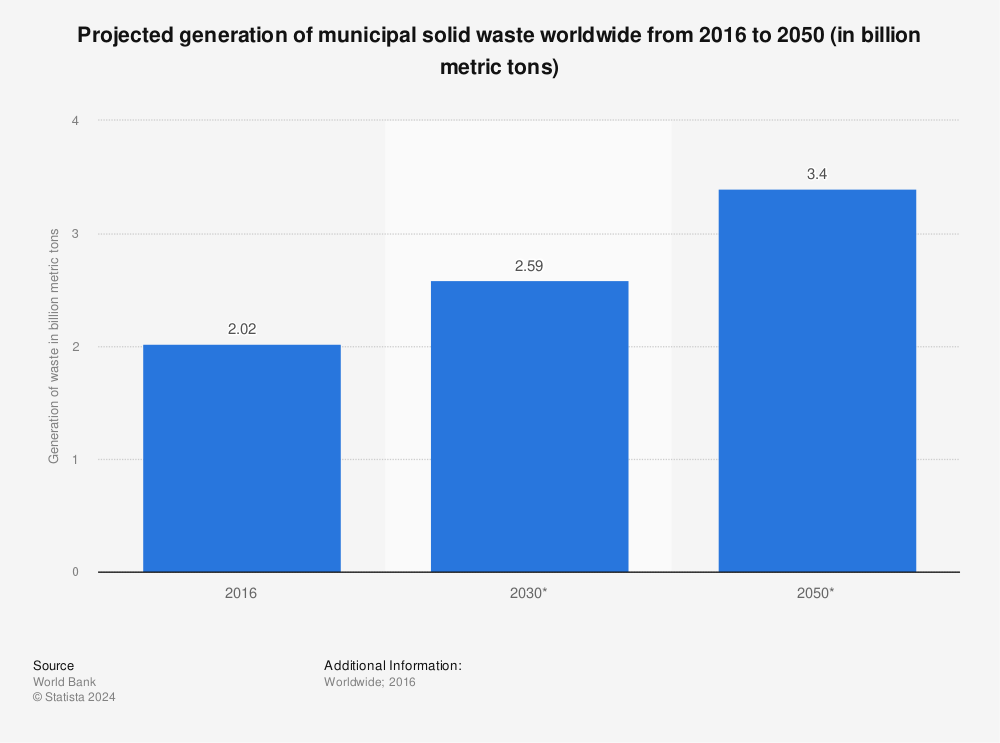
Credit: www.statista.com
Frequently Asked Questions
What Type Of Solid Waste Is Most Common In The Us?
The most common solid waste in the US is municipal solid waste (MSW). It includes everyday items like packaging, food scraps, paper, and plastics from homes and businesses.
How Much Solid Waste Does The Us Generate Annually?
The US generates about 292 million tons of solid waste yearly. This amount reflects waste from homes, businesses, and industries combined.
Which Sector Produces The Most Solid Waste In The Us?
The residential sector produces the most solid waste in the US. Household activities contribute significantly to the total waste generated every year.
What Materials Make Up The Majority Of Us Solid Waste?
Paper, food scraps, and plastics make up the majority of US solid waste. These items are the largest components in the waste stream.
Conclusion
Understanding waste generation helps us make better choices. The US produces a lot of waste. The most common is paper. We can reduce this by recycling. Recycling saves resources and reduces pollution. Everyone can play a part. Small actions lead to big changes.
Choose reusable items. Reduce plastic use. Compost organic waste. These steps make a difference. Together, we create a cleaner environment. Your efforts matter. Start today for a better tomorrow.