
Have you ever wondered why your electronic devices sometimes make unexpected sounds or show tiny glitches? These quirks often come from something called noise in solid state devices.
But what exactly is this noise, and why does it matter to you and your gadgets? Understanding this can help you appreciate how your devices work and why engineers go to great lengths to reduce these disturbances. Keep reading to uncover the mystery behind the noise generated in solid state devices and discover what it means for your technology’s performance and reliability.
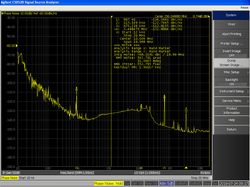
Credit: en.wikipedia.org
Types Of Noise In Solid State Devices
Noise in solid state devicesaffects their performance and reliability. Different types of noise exist, each with unique causes and effects.
- Thermal Noise: Caused by the random motion of electrons due to temperature. It is present in all electronic devices and increases with temperature.
- Shot Noise: Happens because of the discrete nature of electric charge. It appears when electrons cross a barrier, like in diodes or transistors.
- Flicker Noise: Also called 1/f noise. It becomes stronger at low frequencies and is linked to defects in materials.
- Generation-Recombination Noise: Comes from the random creation and destruction of charge carriers in semiconductors.
Causes Of Noise In Solid State Devices
Noise in solid state deviceshappens due to several causes. One key cause is the movement of electrons. Electrons move through the device and collide with atoms. These collisions create random fluctuations that cause noise.
Charge carrier fluctuationsalso add to noise. The number of free electrons and holes changes slightly over time. These tiny changes make the device output vary, which we call noise.
Material imperfectionslike defects or impurities disturb electron flow. These imperfections create extra irregularities in the current. This disturbance causes more noise in the device.
Temperature effectsplay a big role too. Higher temperatures make electrons move faster and collide more. This increases noise levels inside the device.
Impact Of Noise On Device Performance
Noisein solid state devices causes many problems. It makes the signal weakerand harder to read. This is called signal degradation. The device cannot detect small signals well, leading to reduced sensitivity. This means the device misses important information.
Noise also causes errors in circuits. These errors make the device work slower or give wrong results. Circuits need clean signals to work correctly. Noise creates wrong dataand increases error rates. This lowers the device’s reliability and performance.
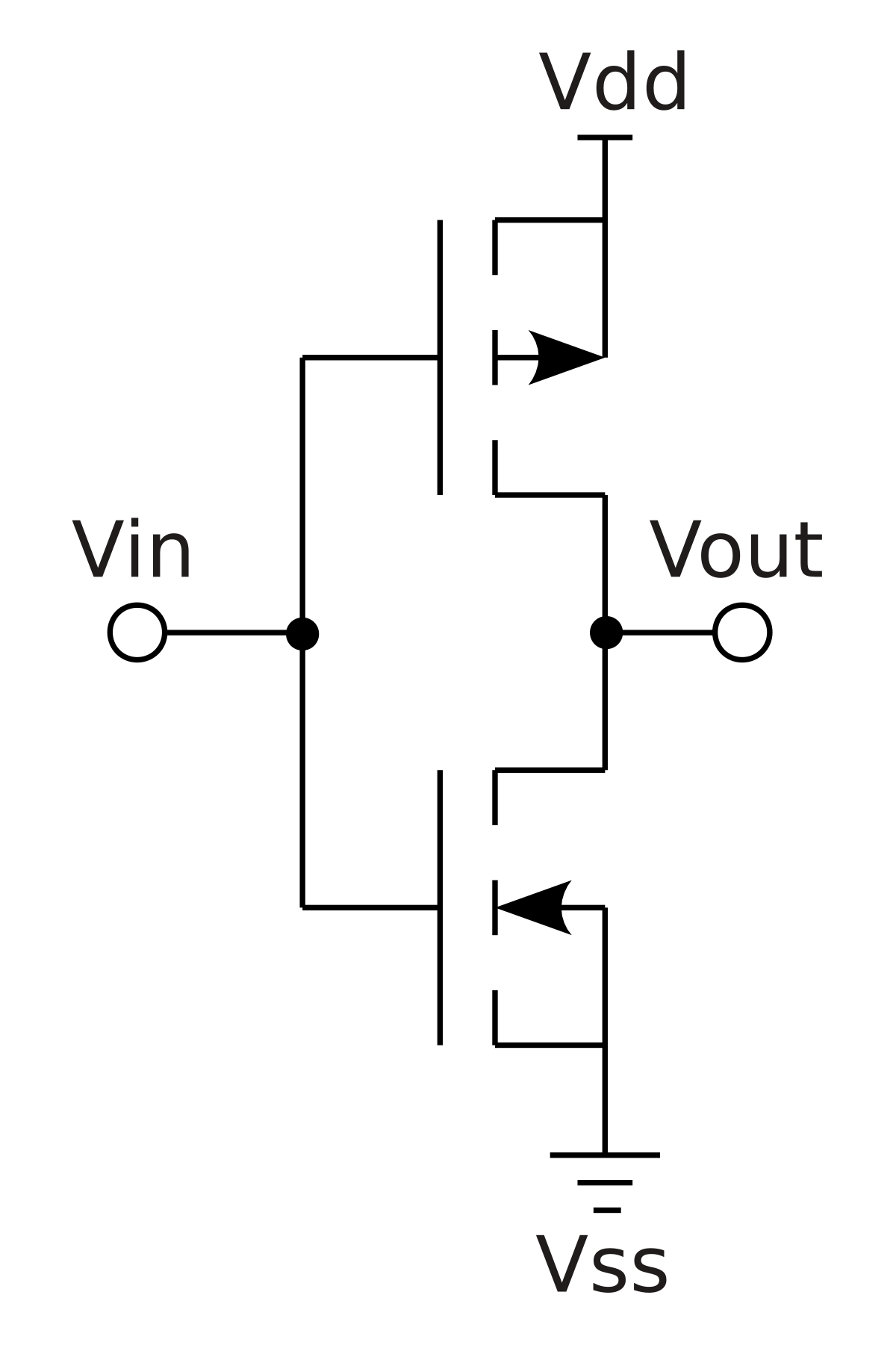
Credit: en.wikipedia.org
Methods To Reduce Noise
Choosing the right materialis key to reducing noise in solid state devices. Materials with fewer defects and impurities help lower noise levels. High-quality semiconductors like silicon or gallium arsenide are common choices.
Device design techniquesfocus on layout and structure. Designers use smaller components and better shielding to cut down noise. Proper grounding and isolation also help keep noise low.
Operating conditionsaffect noise too. Lowering temperature and controlling voltage can reduce noise generation. Stable and clean power supplies are important.
Noise filteringuses circuits to block unwanted signals. Filters like low-pass, high-pass, or band-pass remove noise frequencies. This improves device performance and signal clarity.
Measurement And Analysis Of Noise
Noise Figureshows how much noise a device adds to a signal. It helps us know the quality of the device. Lower noise figure means better performance.
Power Spectral Densitymeasures noise power in each frequency range. It tells us how noise spreads over frequencies. This helps find where noise is strongest.
Noise Equivalent Poweris the smallest signal power that can be detected above noise. It shows device sensitivity. Lower value means the device can detect weaker signals.

Credit: www.mdpi.com
Frequently Asked Questions
What Is Noise In Solid State Devices?
Noise in solid state devices refers to unwanted electrical fluctuations. It arises from random variations in current or voltage. This noise affects device performance and signal quality. Understanding it helps improve electronic circuit design and reliability.
What Causes Noise In Solid State Devices?
Noise is caused by thermal agitation of electrons, defects, and impurities. Other causes include shot noise from current flow and flicker noise at low frequencies. Each source contributes differently to the total noise in solid state devices.
How Is Noise Measured In Solid State Devices?
Noise is measured using noise figure or noise spectral density. These metrics quantify noise power relative to the signal. Specialized instruments like spectrum analyzers help capture and analyze noise characteristics accurately.
Why Is Noise Important In Solid State Device Design?
Noise impacts signal clarity and device sensitivity. Minimizing noise improves communication systems and sensor accuracy. Designers optimize materials and circuit layouts to reduce noise effects and enhance device performance.
Conclusion
Understanding noise in solid state devices helps improve their performance. It’s crucial for engineers and tech enthusiasts. Knowing the types of noise guides better design choices. This knowledge aids in creating more efficient devices. It leads to clearer communication and improved user experiences.
Noise management ensures reliable technology use. Stay informed and keep learning about device noise. It benefits both professionals and casual users. Embrace this knowledge for better tech interactions.