Have you ever wondered how much power your solar panels can actually generate? Knowing this can help you make smarter choices about your energy use and save money on your bills.
You’ll discover exactly what determines the power output of solar panels and how it impacts your home or business. By the end, you’ll feel confident understanding your solar setup and ready to get the most out of your investment. Keep reading to unlock the key facts that will change the way you think about solar energy.
How Solar Panels Work
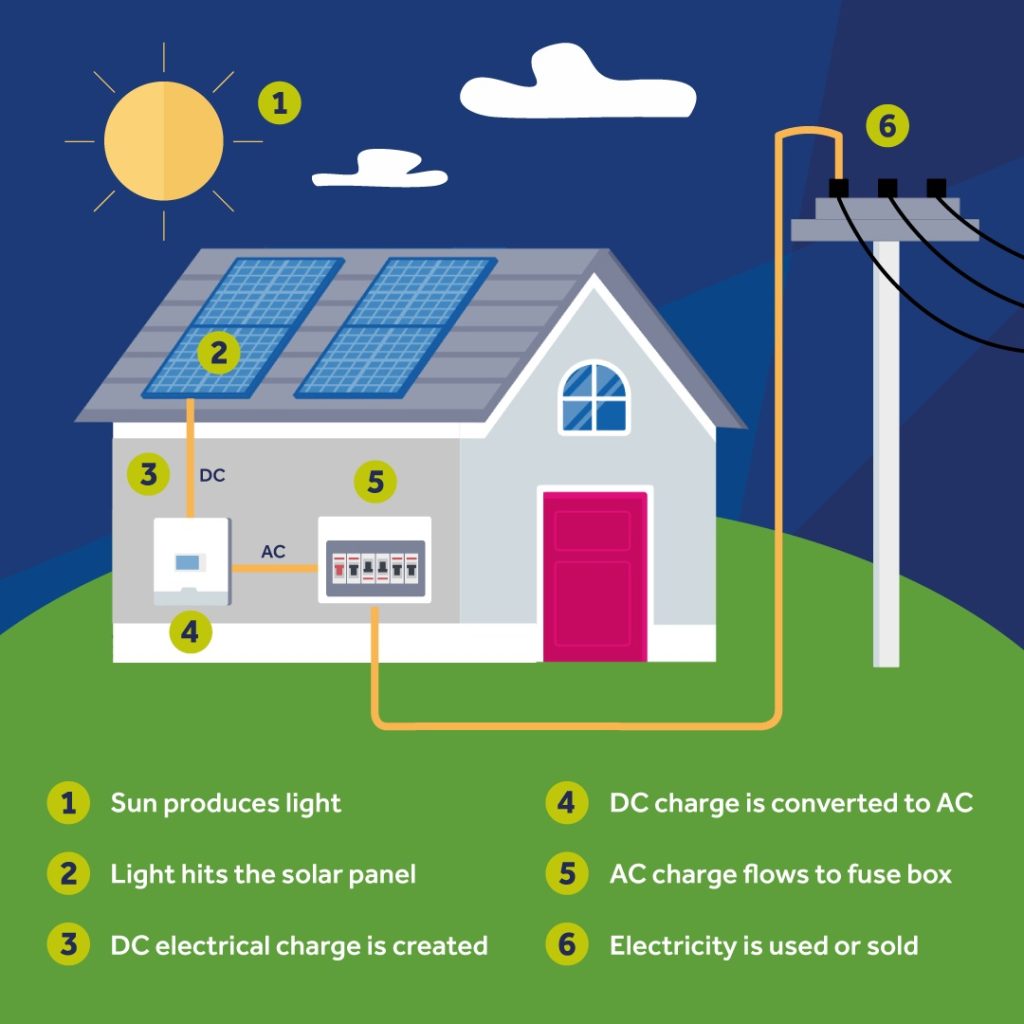
Solar panels convert sunlight into electricity using photovoltaic cells. The power generated depends on sunlight intensity, panel size, and efficiency. This energy can power homes, appliances, or be stored for later use.
Basic Solar Cell Function
A solar cell is made of special material called silicon.
When sunlight hits the silicon, it creates tiny particles called electrons.
These electrons move and create an electric current.
Conversion Of Sunlight To Electricity
Solar panels have many solar cells connected together.
The electric current from all cells combines to make usable power.
This power can run homes, lights, and appliances.

Credit: couleenergy.com
Factors Influencing Power Output
The power outputof solar panels depends on several key factors. Sunlight intensityplays a major role; brighter sunlight means more energy. The angleof the sun affects how much light hits the panel. Panels facing the sun directly get more power.
Panel efficiencyis another important factor. This means how well the panel converts sunlight into electricity. Higher efficiency panels produce more power from the same sunlight.
Temperaturealso affects power. Solar panels work best at cooler temperatures. When it gets too hot, their power output drops.
Shading and dirtreduce power output. Even small shadows or dust can block sunlight and lower energy production. Regular cleaning and avoiding shade helps maintain power.
Measuring Solar Panel Power
Watts (W)measure the power output of a solar panel at a moment. A panel rated at 300 watts can produce 300 watts under ideal sunlight. Kilowatts (kW)equal 1,000 watts and are used for larger systems.
Peak Power Ratingshows the maximum power a panel can produce. This rating assumes perfect sunlight and temperature. It helps compare different panels.
Energy Production Over Timeis measured in kilowatt-hours (kWh). This shows how much energy the panel creates in hours or days. Weather, location, and angle affect production.

Credit: www.pretapower.com
Calculating Expected Power Generation
Solar panels produce power by converting sunlight into electricity. The daily outputdepends on the panel’s size and sunlight hours. To estimate power, multiply the panel’s watt rating by the hours of sun each day.
Seasonal changesaffect power generation. In summer, longer days and stronger sun give more power. Winter days are shorter, so panels produce less energy.
Locationis very important. Panels in sunny places like deserts generate more power than those in cloudy areas. Latitude and weather patterns also affect solar power.
Maximizing Solar Power Generation
Optimal panel placementis key for higher solar power output. Panels should face the sun directly. Angles must match the latitude for best results. Avoid shade from trees or buildings. This helps panels catch more sunlight and produce more energy.
Regular maintenancekeeps solar panels working well. Dust, dirt, and leaves can block sunlight. Clean panels gently with water and a soft cloth. Check for cracks or damage often. Fix problems quickly to avoid power loss.
Using trackerscan boost energy by following the sun’s path. Trackers move panels to catch sunlight all day. They increase power by up to 25%. Though more expensive, they give better results in many cases.
Common Misconceptions
Poweris the rate at which solar panels produce electricity, measured in watts. Energyis the total amount of electricity generated over time, measured in watt-hours or kilowatt-hours. Many think power and energy mean the same, but they do not. Power is like speed, and energy is like distance traveled.
Solar panels do not always produce their rated power. Weather conditionsplay a big role. On cloudy days, panels produce less power. Rain, snow, and dust can also reduce output. Bright, sunny days give the best power levels. Temperature also affects panels; too hot can lower efficiency.

Credit: www.reliance-foundry.com
Frequently Asked Questions
What Factors Affect Solar Panel Power Output?
Solar panel power depends on sunlight intensity, panel angle, temperature, and shading. Higher sunlight and optimal tilt increase output. Overheating or shading reduces efficiency. Quality and age of panels also impact power generation.
How Much Power Can A Typical Solar Panel Generate?
A standard residential solar panel usually produces between 250 to 400 watts under ideal conditions. The exact output varies by panel size, technology, and sunlight availability during the day.
How Is Solar Panel Power Measured?
Solar panel power is measured in watts (W). This indicates the panel’s maximum energy output under standard test conditions, representing the power it can generate at peak sunlight.
Can Solar Panels Generate Power On Cloudy Days?
Yes, solar panels produce power on cloudy days but at reduced efficiency. They can generate 10-25% of their usual output, depending on cloud thickness and light penetration.
Conclusion
Solar panels offer a clean energy solution. They capture sunlight and convert it into electricity. This helps reduce reliance on fossil fuels. Solar power is renewable and sustainable. It benefits both the environment and your wallet. The power generated depends on sunlight and panel efficiency.
More sunlight means more electricity. Understanding solar energy is important for future energy needs. It’s an investment in a greener planet. With solar panels, you contribute to a better world. Embrace this eco-friendly technology. Make a positive impact with solar energy today.