Have you ever wondered how sunlight transforms into the electricity that powers your home? The principle of solar photovoltaic power generation is the fascinating science behind this magic.
Imagine harnessing the sun’s abundant energy right from your rooftop, reducing your electricity bills, and contributing to a greener planet. It’s not just about saving money; it’s about making a smart choice for the future. Dive into this article to uncover how solar panels work, the technology that makes it possible, and why it matters to you.
Get ready to explore how you can be part of a solar revolution that’s reshaping the way we think about energy. The secrets of solar power are waiting for you!
Credit: www.inverter.com
Basics Of Solar Photovoltaic Power
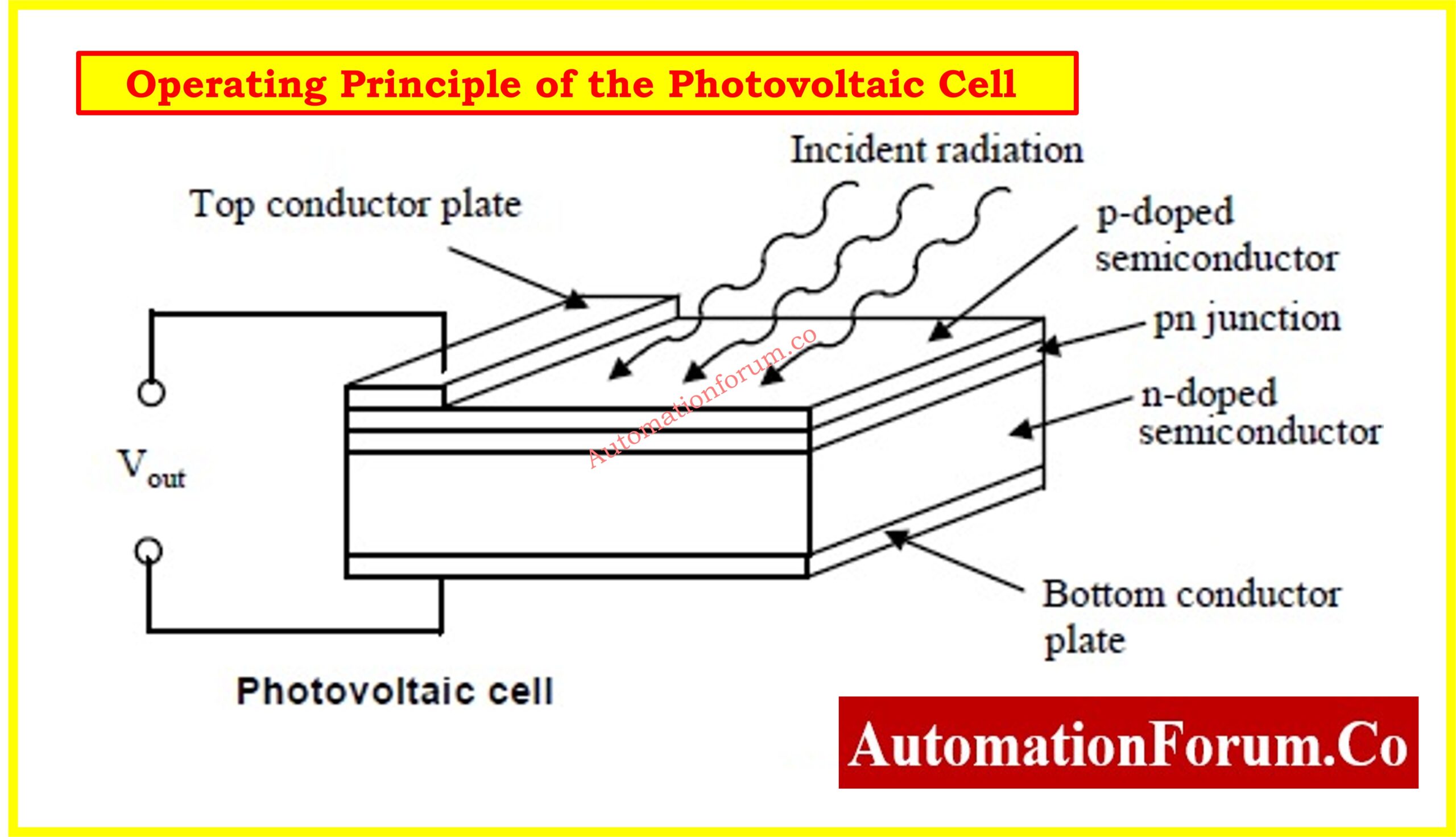
Solar cellsturn sunlight into electricity using a simple process. Sunlight hits the cell and excites tiny particles called electrons. These moving electrons create an electric current. This current flows out of the cell to power devices or homes.
Each solar cell is made of layers of materials like silicon. The top layer absorbs sunlight. The middle layer helps move electrons. The bottom layer collects the electrons and sends them out as electricity.
| Key Component | Function |
|---|---|
| Solar Panels | Collect sunlight and convert it to electricity |
| Inverter | Change electricity from DC to AC for home use |
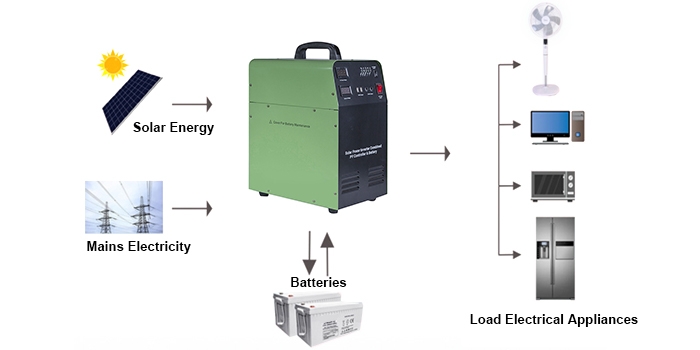
| Battery | Store extra electricity for later use |
| Charge Controller | Protect the battery from overcharging |
Photovoltaic Effect In Action
The photovoltaic effecthappens in special materials called semiconductors. These materials absorb sunlight and turn it into electricity. When sunlight hits the semiconductor, it gives energy to tiny particles called electrons. These electrons start to move, creating an electric current.
Semiconductors like siliconare used in solar panels. They have a unique structure that helps separate electrons from their atoms. This separation creates a flow of electric charge. The solar panel then collects this charge and sends it out as usable electricity.
This process is the basic way that solar power systems change sunlight into energy for homes and devices. It is clean and uses the sun’s free energy to help power the world.
Types Of Solar Panels
Monocrystalline panelsare made from a single crystal of silicon. They have high efficiency and a sleek black look. These panels perform well in low light and take less space.
Polycrystalline panelsconsist of many silicon crystals melted together. They are less efficient but cost less. Their blue color and speckled look make them easy to spot.
Thin-film panelsare made by placing thin layers of photovoltaic material on glass or metal. They are lightweight and flexible but have lower efficiency. These panels work well in hot climates and shade.
Credit: automationforum.co
Energy Flow In Pv Systems
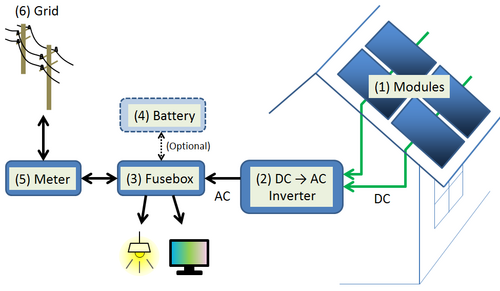
Sunlighthits the solar panels and creates electrical energy. This energy is in the form of direct current (DC). Most homes and grids use alternating current (AC), so the energy must change form.
This change happens in the inverter. The inverter turns DC into AC power. It also controls the power’s quality and flow.
The power is then conditionedto ensure it is safe and stable. After conditioning, the electricity flows to homes or the grid. This process lets solar energy be used easily and safely.
Factors Affecting Solar Power Efficiency
Sunlight intensity and angleaffect how much power solar panels produce. Panels work best with direct sunlight. The sun’s position changes during the day and year. This changes the angle and can lower energy output.
Temperature effectsplay a big role too. Solar panels get less efficient when they get too hot. High heat can reduce the electricitythey create, even if sunlight is strong.
Shading and dirton panels block sunlight. Even small shadows or dust can cut power outputby a lot. Regular cleaning and avoiding shade improves performance.

Credit: www.youtube.com
Applications Of Solar Photovoltaic Power
Residential solar photovoltaic systemshelp homeowners save on electricity bills. They convert sunlight into energy to power homes. These systems are easy to install and require little maintenance. Many households use solar panels to run lights, appliances, and heaters.
Commercial and industrial solar powersupports large buildings and factories. Solar energy reduces electricity costs and helps meet green goals. Businesses install bigger solar arrays to power machines and office spaces. This use also lowers carbon footprints.
Off-grid and remote areasbenefit greatly from solar power. Places without access to the main power grid use solar panels for electricity. It provides lighting, phone charging, and water pumping. Solar power improves life quality in isolated locations.
Future Trends In Solar Pv Technology
Emerging materialslike perovskite and organic solar cells are changing solar power. These materials are cheaper and easier to make than silicon. They can absorb more sunlight and work better in low light. This means solar panels can produce more energy in less space.
Efficiency improvementsfocus on making panels convert more sunlight into electricity. New designs and coatings reduce energy loss. Tandem cells, which stack different materials, capture more sunlight. This helps generate more power from the same sunlight.
Integration with energy storageallows solar power to be saved for later use. Batteries store extra energy during sunny times. This stored energy can be used when the sun is not shining. Combining solar panels with storage makes power supply steady and reliable.
Frequently Asked Questions
What Is Solar Photovoltaic Power Generation?
Solar photovoltaic power generation converts sunlight directly into electricity using solar cells made of semiconductor materials.
How Does The Photovoltaic Effect Work In Solar Cells?
The photovoltaic effect occurs when sunlight excites electrons in the solar cell, generating electric current.
What Are The Main Components Of A Solar Pv System?
A solar PV system includes solar panels, an inverter, mounting structures, and sometimes batteries for energy storage.
Why Is Solar Pv Power Generation Important?
It provides clean, renewable energy, reduces carbon emissions, and lowers electricity costs over time.
Conclusion
Solar photovoltaic power generation uses sunlight to make electricity. Solar panels capture sunlight and turn it into energy. This process is clean and helps save money. It reduces pollution and uses a natural source. Understanding this principle shows how solar power works simply.
It offers a good way to support the environment. Solar energy can power homes and businesses. A brighter, greener future starts with this simple idea.