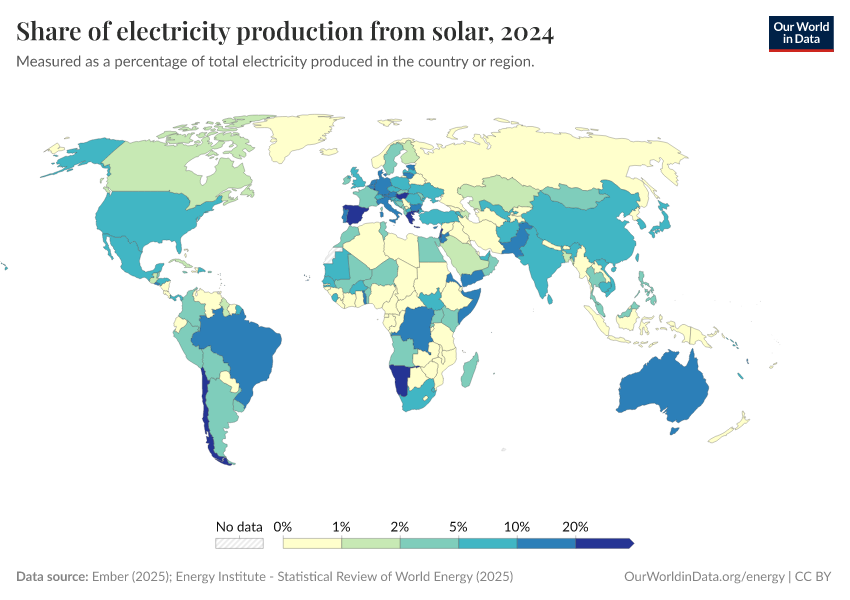
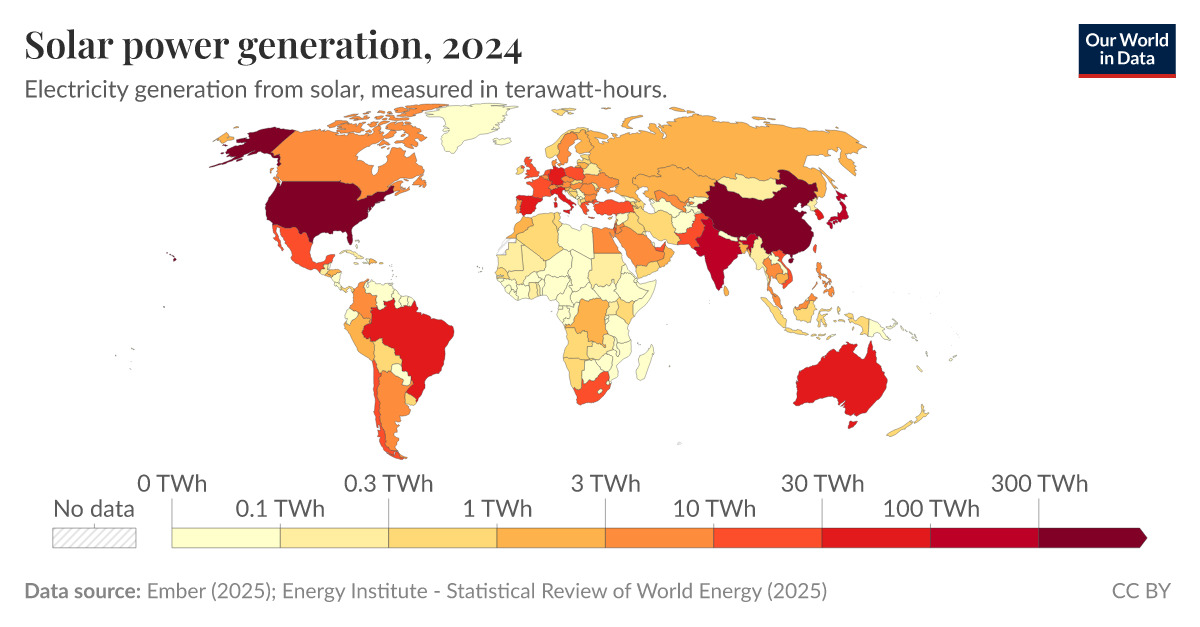
Have you ever wondered where all the electricity from the sun actually comes from? Understanding total solar generation is key to unlocking how solar energy powers your home, your city, and even entire countries.
This concept isn’t just about sunlight—it’s about how we turn that sunlight into usable power. If you want to know how much energy solar panels really produce and what it means for your energy bills and the planet, keep reading.
By the end, you’ll see solar power in a whole new light and understand why it’s becoming a game-changer for your energy future.
Total Solar Generation Basics
Solar energycomes from the sun’s light and heat. It is a clean and endless source. People use special tools called solar panelsto catch sunlight. These panels change sunlight into electricity. This electricity powers homes, schools, and many other places.
Solar energy can be found in many forms:
- Sunlight captured by solar panels
- Heat from the sun used to warm water
- Solar farms producing large amounts of power
Solar power works by turning sunlight into electric energy. Panels have tiny parts called photovoltaic cellsthat make this change. The electric energy can be used right away or saved in batteries.
| Type of Solar System | Description |
|---|---|
| Grid-tied | Connected to the main power grid. Uses solar energy and grid power. |
| Off-grid | Not connected to the grid. Uses batteries to store power. |
| Hybrid | Combines solar power, batteries, and grid electricity. |
Credit: ourworldindata.org
Benefits Of Solar Power
Solar powerhelps lower pollution. It does not release harmful gases. This keeps the air and water clean. Plants and animals stay safer. Using solar energy reduces the need for coal and oil. These fuels cause many health problems.
Solar energy saves money over time. After the initial cost, sunlight is free. Homes with solar panels have lower electricity bills. It also helps create new jobs in the solar industry. Many people earn income by installing and fixing panels.
Solar power supports energy independence. It reduces the need to buy fuel from other countries. This helps keep energy prices stable. Solar energy works well in homes, schools, and businesses. People can produce their own electricity and share it with neighbors.
Technological Advances
Improved solar panelscapture more sunlight and convert it into energy efficiently. They use better materials and designs that work well even on cloudy days. This helps increase total solar generationwithout needing more space.
Energy storage solutionsstore solar power for later use. Batteries and other devices keep energy safe for night or cloudy weather. This makes solar energy reliable and availableanytime, even when the sun is not shining.
Smart grid integrationhelps solar power fit well into the electric grid. It allows better control and balance of energy flow. The grid can handle more solar energy and share it quickly where it is needed most.
Challenges Facing Solar Generation
Intermittencyis a big challenge for solar power. The sun does not shine all day or at night. This makes it hard to keep power steady and reliable. Clouds and weather changes also affect solar energy output.
Infrastructurelimits slow down solar power growth. Many places lack enough power lines and storage systems. Without good infrastructure, solar power can’t reach all homes and businesses easily.
Policy and rulescan block solar energy progress. Some governments have complex laws or do not support solar well. This stops new projects from starting and makes solar less affordable for many people.
Future Of Solar Energy
Emerging technologiesin solar energy are making panels more efficient and cheaper. New materials like perovskiteimprove light absorption. Floating solar farms use water surfaces to save space. Solar batteries store energy for use at night or cloudy days. Smart grids help balance supply and demand in real time.
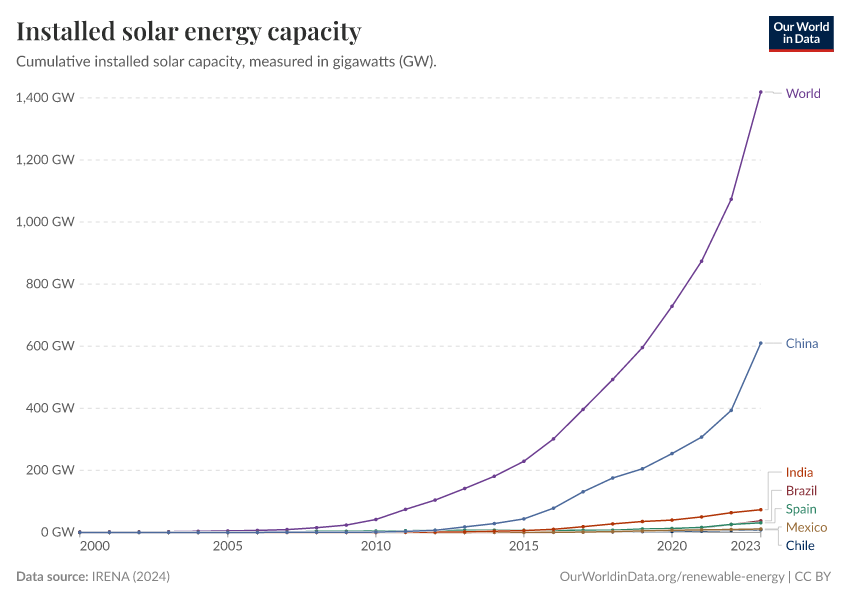
Global adoption trendsshow more countries using solar power. Developing nations invest to provide electricity to remote areas. Solar energy is growing fast in Asia, Africa, and Europe. Governments offer incentives and tax breaks to encourage solar use. Homeowners and businesses install solar panels to cut costs.
| Impact on Energy Markets | Details |
|---|---|
| Lower Energy Prices | Solar reduces electricity costs for consumers and utilities. |
| Less Dependence on Fossil Fuels | Solar cuts use of coal, oil, and gas. |
| New Jobs | Solar industry creates many jobs worldwide. |
| Energy Security | Solar power helps countries become energy independent. |

Credit: ieefa.org
Credit: ourworldindata.org
Frequently Asked Questions
What Is Total Solar Generation Meaning?
Total solar generation refers to the complete amount of electricity produced by solar power systems. It includes energy from all solar panels within a specific area or network. This metric helps measure solar power’s contribution to the overall energy supply, aiding in energy planning and sustainability efforts.
How Is Total Solar Generation Measured?
Total solar generation is measured in kilowatt-hours (kWh) or megawatt-hours (MWh). It sums the electrical output from all solar installations over a given time. Utilities and grid operators use meters and monitoring systems to track this data accurately, ensuring reliable energy reporting.
Why Is Total Solar Generation Important?
Total solar generation indicates the share of renewable energy in the power grid. It helps assess progress toward clean energy goals and reduces reliance on fossil fuels. Tracking this figure supports environmental policies and encourages investment in solar technology.
How Does Total Solar Generation Impact The Environment?
Increasing total solar generation reduces greenhouse gas emissions and air pollution. Solar energy produces clean electricity without burning fossil fuels. This shift improves air quality, combats climate change, and promotes sustainable energy use for a healthier planet.
Conclusion
Total solar generation is a promising energy source. It offers a sustainable solution for electricity needs. Harnessing the sun’s power reduces carbon footprints. This clean energy method supports a healthier planet. Solar technology continues to improve, becoming more accessible. It benefits both urban and rural areas alike.
Investing in solar energy offers long-term savings. Communities worldwide can enjoy its positive impact. Embracing solar power means supporting a brighter future. It’s time to consider solar as a viable option. Every step towards solar is a step towards sustainability.