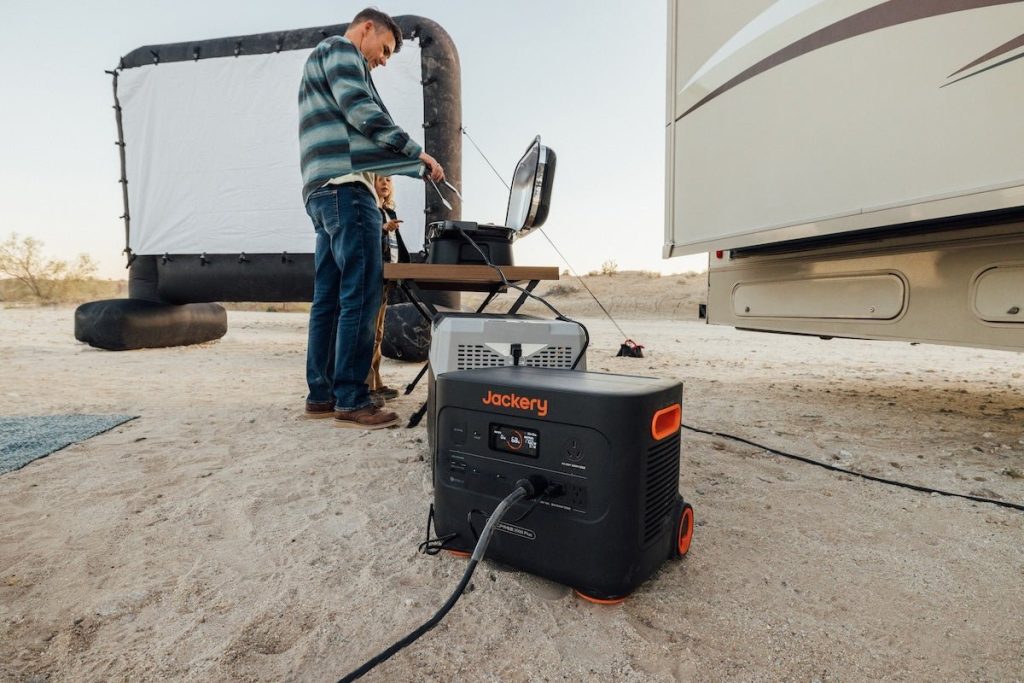
Are you wondering if a solar generator can power your electric stove? You’re not alone.
Many people want to switch to clean energy but worry about whether solar power can handle high-energy appliances like stoves. The good news is, there are solar generators designed to meet these needs. You’ll discover exactly what kind of solar generator can run your electric stove smoothly and reliably.
Keep reading to find out how to make your kitchen eco-friendly without sacrificing convenience.

Credit: www.bioliteenergy.com
Solar Generator Basics
A solar generatorstores energy from the sun to power devices. It uses solar panelsto catch sunlight and change it into electricity. This electricity is stored in a batteryinside the generator. You can then use this power to run your electric stove or other appliances.
Key parts include:
- Solar Panels:Capture sunlight and turn it into electricity.
- Battery:Holds the electricity for later use.
- Inverter:Changes stored power into the type your stove needs.
- Charge Controller:Protects the battery from too much power.
Choosing the right solar generator means checking the power output. Electric stoves need a lot of power to work well. So, the generator must have enough battery size and wattage to run the stove safely.
Power Needs Of Electric Stoves
Electric stoves usually need between 1000 to 3000 wattsto run. The exact power depends on the stove size and number of burners. Smaller stoves use less power. Larger stoves with more burners need more.
Electric stoves also have startup power. This is the power needed when the stove first turns on. It can be 1.5 to 3 times higher than running power. This is important for solar generators to handle.
| Power Type | Wattage Range | Notes |
|---|---|---|
| Running Power | 1000 – 3000 W | Power used during normal cooking |
| Startup Power | 1500 – 9000 W | Power surge when stove starts |
Choosing The Right Solar Generator
Choosing a solar generator to power an electric stove needs careful thought about capacityand output. Electric stoves use a lot of energy, often between 1000 to 3000 watts. The generator must supply enough power for this load.
The battery typeplays a big role. Lithium-ion batterieslast longer and charge faster than lead-acid ones. A larger battery storagemeans you can cook longer without sun.
The inverterchanges DC power from batteries to AC power for the stove. It should handle the stove’s peak power, often higher than running watts. A good inverter is rated for 3000 watts or more.
| Feature | Recommendation |
|---|---|
| Capacity (Watts) | At least 3000W for most electric stoves |
| Battery Type | Lithium-ion preferred for longevity and efficiency |
| Battery Storage | Large enough for cooking time (e.g., 1000Wh+) |
| Inverter Rating | 3000W or higher to handle surge power |
Top Solar Generators For Electric Stoves
High-capacity solar generatorsare best for electric stoves. They provide 2000 watts or moreto run the stove safely. These models often have large batteriesto store energy for cooking even when the sun is down. Expect longer run timesand the ability to power other appliances too.
Portable solar generatorsoffer flexibility. They are lighter and easy to move around. While they may have lower wattage, some can still power small electric stoves. Great for camping or temporary setups. They usually feature compact solar panelsfor quick charging.
- Budget-friendly choicesbalance price and power. They typically provide 1000 to 1500 watts. Suitable for small electric stovesor short cooking times.
- Look for models with good battery capacityand solar compatibility.
- These are ideal for people who want to save money but still cook with solar energy.
Installation And Setup Tips
Solar panels need to face the sun directly for best power. Place panels where they get full sun all day. Avoid shade from trees or buildings. Tilt the panels at the right angle to catch more sunlight.
Use the correct cables to connect the solar generator to your stove. Check the voltage and wattage match your stove needs. Secure all connections to avoid power loss. Keep wires neat to prevent accidents.
Always follow safety rules during setup. Turn off devices before connecting. Use insulated tools to avoid shocks. Keep water away from electrical parts. Read the generator and stove manuals carefully before use.

Credit: www.jackery.com
Maximizing Efficiency
Using a solar generator to power an electric stove needs smart energy use. Choose a generator with a high watt-hour (Wh) capacityand high surge power. Electric stoves need a lot of power, so the generator must handle strong burstsof electricity.
Try these energy-saving cooking tips:
- Use pots with flat, thick bottomsto spread heat well.
- Cover pots to keep heat inside and cook faster.
- Cook in small batchesto use less power.
- Turn off the stove a few minutes before food is done; residual heat helps.
Keep your solar generator in good shape for best use:
- Charge it fully before use.
- Store it in a cool, dry place.
- Check cables and connections often.
- Clean solar panels regularly to keep them working well.
Common Challenges And Solutions
Solar generators need enough sunlightto work well. Clouds and short days can limit power. Using larger solar panelshelps catch more sun. Storing energy in big batterieslets you cook even when the sun is gone.
Electric stoves use a lot of power. Many small generators cannot handle this high power draw. Choose a generator with a high wattage outputto avoid outages. Some models have built-in invertersto give steady power.
Credit: www.bluettipower.com
Frequently Asked Questions
What Size Solar Generator Powers An Electric Stove?
A solar generator with at least 2000 to 3000 watts output can power most electric stoves efficiently. It should handle the stove’s startup surge and continuous power needs.
Can Portable Solar Generators Run Electric Stoves?
Yes, high-capacity portable solar generators can run electric stoves if they deliver enough wattage and have sufficient battery storage. Check the stove’s power rating before choosing a generator.
How Long Can A Solar Generator Run An Electric Stove?
The runtime depends on the generator’s battery capacity and stove’s wattage. Typically, a 3000Wh battery can power a 1500W stove for about 2 hours continuously.
Do Solar Generators Need Extra Batteries For Stoves?
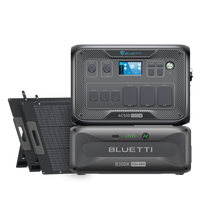
Extra batteries can extend runtime but aren’t always necessary. Larger capacity batteries allow longer stove use, ideal for extended cooking or emergencies.
Conclusion
Choosing the right solar generator matters for powering an electric stove. Consider wattage, battery capacity, and portability. A generator with high wattage supports stove demands. Ensure it has a large battery for longer usage. Portability makes it easier to move and position.
Research different models before buying. Compare specifications to find the best fit. Solar generators offer a clean, renewable energy source. Perfect for eco-friendly cooking. They help reduce your carbon footprint. A wise investment for sustainable living. Make sure your choice aligns with your cooking needs.
Happy cooking with solar power!