
Have you ever wondered how much power a solar panel can actually produce for your home or business? Understanding the level of power generated by solar panels is key to deciding if solar energy is right for you.
Whether you’re looking to cut down your electricity bills or reduce your carbon footprint, knowing what to expect from solar panels will help you make smarter choices. You’ll discover how solar panels work, what affects their power output, and how to calculate the energy they can provide for your specific needs.
Keep reading to unlock the facts that could change the way you think about energy forever.

Credit: powerfullygreen.com
Solar Panel Power Basics
Solar panels create electricity by using sunlight. Inside the panel, sunlight hits small cells. These cells turn light into power. This power flows as direct current (DC). An inverter changes DC to the kind used in homes (AC).
There are three main types of solar panels:
- Monocrystalline– Most efficient and lasts long.
- Polycrystalline– Less costly but slightly less efficient.
- Thin-film– Lightweight and flexible but lower power output.
| Power Rating | Description |
|---|---|
| Watts (W) | Measures how much power a panel can make. |
| Typical Range | From 100W to 400W per panel. |
| Factors Affecting Power | Sunlight strength, panel size, and efficiency. |
Factors Affecting Solar Power Output
Sunlight intensitygreatly affects solar panel power. The more direct sunlight, the more energy produced. The angleof sunlight matters too. Panels work best when sunlight hits straight on.
High temperaturescan lower solar panel efficiency. Panels produce less power when very hot. Cooler days often bring better results.
Shadingfrom trees or buildings blocks sunlight and reduces output. Dirt and dust on panels also cut power by blocking light.
Solar panels lose some power as they get older. Degradationhappens slowly, lowering energy output year by year.
Measuring Solar Panel Power
Watts (W)measure how much power a solar panel can produce at a given time. Kilowatts (kW)equal 1,000 watts and show bigger power amounts. Solar panels often list their peak poweroutput, which is the highest power they can make under perfect conditions.
Real-world output is usually less. This happens because of weather, angle, and temperature. Clouds or shade can lower power a lot.
Power meters help check how much energy your solar panel really makes. They measure the flow of electricity in real time. Using these meters lets you see if your system works well or needs fixing.
Typical Power Levels For Residential Panels
Solar panels for homes usually come in standard sizesaround 60 to 72 cells. These panels often measure about 3 feet by 5 feet. The size affects how much power they can make.
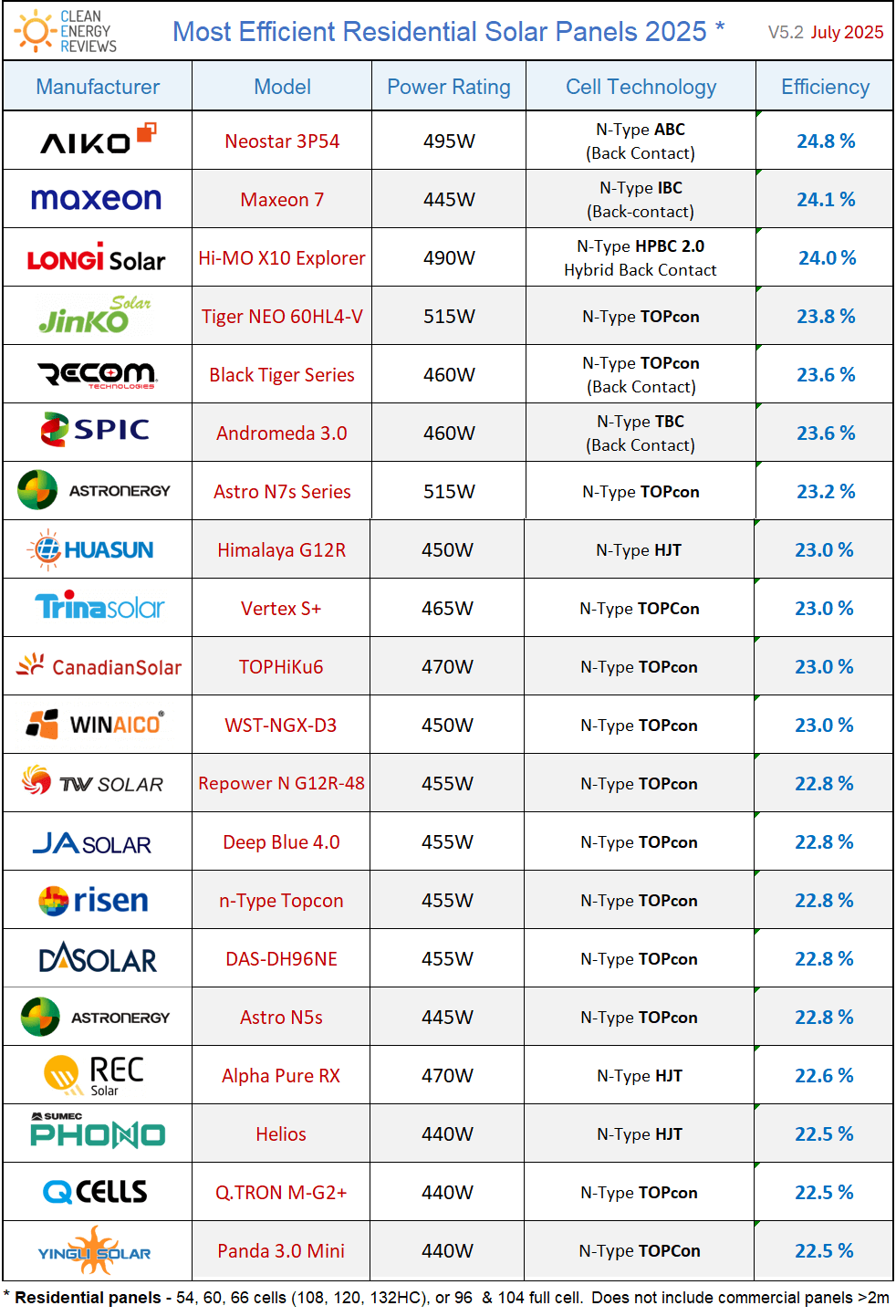
The average power outputof a typical residential solar panel ranges from 250 to 400 watts. This depends on the panel’s quality and the sunlight it gets. More sunlight means more power.
| System Size (kW) | Typical Energy Needs | Approximate Number of Panels |
|---|---|---|
| 3 kW | Small home or apartment | 10-12 panels |
| 5 kW | Average family home | 15-20 panels |
| 10 kW | Larger home or higher energy use | 30-40 panels |
Power Output In Commercial And Utility-scale Systems
Large scale solar farms can generate power from several megawatts (MW) to gigawatts (GW). These farms use thousands of solar panels spread over large areas. They provide clean and renewable energy to many homes and businesses.
| Power Generation Capacity | Description |
|---|---|
| Small Utility Scale | 1 MW to 10 MW, powers small towns or neighborhoods |
| Medium Utility Scale | 10 MW to 100 MW, supports larger city areas |
| Large Utility Scale | 100 MW and above, powers cities or regions |
Grid integration means connecting solar farms to the main electricity system. This allows solar energy to flow to homes and businesses. It also helps balance supply and demand on the grid. Advanced technology helps manage this process smoothly.
Improving Solar Panel Power Generation
Placing solar panels in the right spot helps them catch the most sunlight.
Panels should face the sun directly for better power output.
Cleaning panels regularly removes dust and dirt that block sunlight.
Well-maintained panels work more efficiently and last longer.
New technology makes solar panels better at capturing sunlight.
Advances include better materials and smarter designs for higher power.
Some panels now track the sun’s path to get more energy.
Common Misconceptions About Solar Power Levels
Many people think solar panels always produce the same power. This is not true. Solar panel outputdepends on many factors.
Cloudy or rainy days reduce the powera solar panel can make. Bright sunlight creates the most energy. Temperature also affects output; too hot can lower efficiency.
Some believe all solar panels are equally efficient. This is a common myth. Panel type and quality change how much power they generate. Cheaper panels often produce less power than high-quality ones.
Understanding these facts helps set realistic expectationsfor solar power systems.
Credit: www.cleanenergyreviews.info
Future Trends In Solar Power Generation
Next-gen solar panels use better materials to create more power. These panels are thinner and can capture more sunlighteven in low light. This helps produce more energyin less space.
Energy storage systems let homes save power for nightor cloudy days. Batteries store the extra energyproduced during the day. This makes solar power reliableanytime.
Smart grids connect solar panels with the electricity network. They help manage power flow to avoid waste. Smart grids allow homes to sell extra energyback to the grid. This can save money and reduce energy loss.

Credit: solarsme.com
Frequently Asked Questions
What Power Output Can A Typical Solar Panel Generate?
A typical solar panel produces between 250 to 400 watts under ideal sunlight. Output depends on panel size, efficiency, and sunlight exposure.
How Does Sunlight Affect Solar Panel Power Generation?
Solar panels generate more power with direct, strong sunlight. Cloudy or shaded conditions reduce the energy produced significantly.
Can Solar Panels Generate Power During Cloudy Days?
Yes, solar panels still generate power on cloudy days but at reduced efficiency, typically around 10-25% of their full capacity.
What Factors Influence The Power Level Of Solar Panels?
Power levels depend on panel type, size, efficiency, angle, and geographic location. Optimal installation maximizes energy production.
Conclusion
Solar panels generate varying power levels. It depends on several factors. Sunlight exposure and panel size play crucial roles. Efficiency ratings also impact power generation. Homeowners must consider their energy needs. This helps in choosing the right panel. Understanding these factors ensures optimal solar power.
It’s vital for meeting energy demands effectively. Solar panels offer a sustainable energy solution. They can reduce electricity bills significantly. Choosing wisely benefits both the environment and wallet. Embrace solar energy for a brighter future.