
Have you ever wondered what makes solar panels so effective at turning sunlight into electricity? It all comes down to the light rays that strike them.
Not all sunlight is equal when it comes to generating solar energy. Some light rays have a more significant impact on the energy output of your solar panels than others. Discovering which rays are the most powerful can help you understand how solar energy works and how you can make the most of it.
By the end of this article, you’ll gain insights into the specific rays that maximize your solar potential. Dive in to unlock the secrets of solar energy and see how you can harness the sun’s power more effectively.
Types Of Light Rays
The Visible Light Spectrumcontains rays that humans can see. These rays carry a lot of solar energy. Solar panels mainly use this light to make electricity. It ranges from violet to red colors.
Ultraviolet Rayshave more energy than visible light. They can cause sunburns but only a small part helps solar panels. Most solar cells do not use UV rays well.
Infrared Rayscarry heat energy. They have less energy than visible light but are many in sunlight. Some solar panels can use infrared rays to create power. These rays help in warming and energy capture.

Credit: interestingengineering.com
Solar Energy And Light Interaction
Solar panels absorb light rays to produce energy. Different wavelengths affect energy output differently. Visible lightand near-infrared raysgenerate the most solar energy. These rays have the right energy to excite electrons in solar cells.
Shorter wavelengths like ultraviolet have too much energy. They can damage panels or pass through without generating power. Longer wavelengths like far infrared carry less energy and produce less power.
| Wavelength Range | Energy Level | Effect on Solar Panels |
|---|---|---|
| Ultraviolet (100-400 nm) | High | Too much energy, less efficient |
| Visible Light (400-700 nm) | Optimal | Best for energy generation |
| Near-Infrared (700-1100 nm) | Moderate | Good energy absorption |
| Far Infrared (>1100 nm) | Low | Less energy produced |
Role Of Visible Light In Solar Power
The visible light spectrumranges from about 400 to 700 nanometers. This range carries the most energythat solar panels can convert. Solar cells work best with light near the peak energy wavelengths, usually around 500 to 600 nanometers.
Visible light conversion is quite efficientbecause solar cells absorb this light well. Light outside this range, like ultraviolet or infrared, carries less usable energy. Thus, visible light is the main driverof solar power generation.
| Light Wavelength (nm) | Energy Level | Solar Conversion Efficiency |
|---|---|---|
| 400-500 (Blue) | High | Moderate to High |
| 500-600 (Green to Yellow) | Peak | High |
| 600-700 (Orange to Red) | Moderate | Moderate |
Impact Of Ultraviolet Rays
Ultraviolet rays carry high energy from the sun but only a small part reaches Earth’s surface. Visible light generates most solar energy, powering plants and solar panels efficiently. UV rays can cause skin damage but contribute less to usable solar power.
Energy Contribution
Ultraviolet (UV) rays carry a small part of the sun’s energy. Solar panels use mostly visible light, but UV rays add some extra power. UV rays have more energy per photon than visible light. This helps solar cells produce electricity. Still, UV rays make up less than 10% of the total solar energy that panels use.
Potential Damage To Solar Cells
UV rays can harm solar panels over time. They cause materials to break down or become less effective. This leads to lower power output and shorter panel life. Special coatings on panels help block some UV damage. Regular cleaning and maintenance can protect panels from UV harm too.
Influence Of Infrared Rays
Infrared rayscarry heat from the sun to the Earth. This heat helps generate energyin solar panels. Solar cells absorb infrared light and turn it into electricity. But not all infrared rays work the same. Some are better at producing heat.
Solar panels work best when they capture more heatfrom infrared rays. This raises the panel’s temperature and boosts power output. Yet, too much heat can lower the panel’s efficiency. So, balancing heat and energy is key.
- Selective coatingson panels absorb more infrared light.
- Special materialsconvert heat into electric current efficiently.
- Infrared filtersblock unwanted rays to avoid overheating.

Credit: letstalkscience.ca
Environmental Factors Affecting Light Rays
Atmospheric absorptionhappens when the sun’s rays pass through the air. Some light rays get blocked or absorbed by gases like water vapor and carbon dioxide. This reduces the amount of energy that reaches the Earth’s surface. Rays with shorter wavelengths, like ultraviolet light, are absorbed more than visible light.
Weather also plays a big role. Cloudy or rainy daysblock sunlight, cutting down solar energy. Clear, sunny days let more light through, boosting energy.
- Seasonal variationschange the sun’s angle. In summer, the sun is higher, so light rays hit more directly. This means more energy.
- In winter, the sun is lower, and rays travel through more atmosphere. This lowers energy levels.
Technological Advances In Solar Energy Capture
Sunlight’s visible and near-infrared rays produce the most solar energy. Advances in technology focus on capturing these rays efficiently. This improves solar panels’ ability to convert sunlight into electricity.
Multi-junction Solar Cells
Multi-junction solar cellsuse several layers to catch more light rays. Each layer absorbs different parts of the sunlight spectrum. This design helps convert more solar energythan single-layer cells. They work well with high-energy rayslike ultraviolet and visible light. These cells can reach higher efficiencybecause they use light better.
Spectral Conversion Technologies
Spectral conversionchanges sunlight into rays that solar cells can use better. Some materials shift ultraviolet or infrared lightinto visible light. This helps solar panels capture energy from light that usually passes through them. These technologies improve energy capture without changing the cell structure. They make solar panels more effectivein different light conditions.
Optimizing Solar Panel Placement
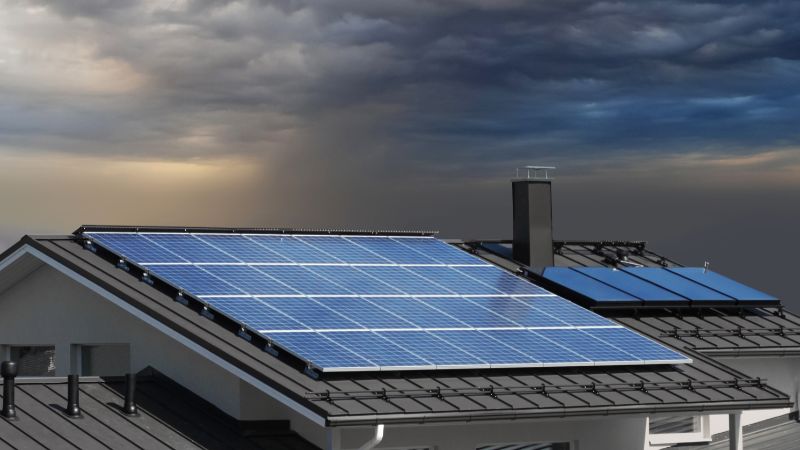
Solar panels work best when they face the sun directly. The orientationmeans which direction the panel points. Panels facing southget the most sunlight in the northern hemisphere. The tilt angleis the slope of the panel. It should match the latitudeof the location to catch more rays.
The sun’s rays are strongest when they hit the panel at a right angle. This helps the panel absorb more solar energy. Angles that are too steep or flat reduce power.
- Adjust panels seasonally for more sunlight
- Keep panels free of shade and dirt
- Use tools like a solar pathfinder to find best spots
Credit: deyeess.com
Frequently Asked Questions
What Types Of Light Rays Produce The Most Solar Energy?
Visible and near-infrared light rays generate the most solar energy. These rays carry high energy levels and are efficiently absorbed by solar panels, maximizing energy conversion.
How Does Sunlight Angle Affect Solar Energy Production?
The sunlight angle influences the intensity of light rays hitting solar panels. Direct, perpendicular rays deliver more energy, increasing solar panel efficiency and output.
Why Is Infrared Light Important For Solar Energy?
Infrared light carries significant heat energy. Solar panels capture this heat alongside visible light, boosting total energy generation during daylight hours.
Do Uv Rays Contribute To Solar Energy Generation?
UV rays have high energy but contribute less to solar power. Most solar panels are designed to absorb visible and infrared light more effectively.
Conclusion
Solar energy comes mostly from visible and near-infrared light. These rays carry the most power for solar panels to capture. Ultraviolet light has energy but less impact on solar power. Understanding which rays matter helps improve solar technology use. It also guides better panel placement and design.
Using the right light rays boosts energy output and efficiency. Solar power grows stronger with this knowledge. Clean energy becomes more accessible and useful for everyone.