Have you ever wondered which light rays are really powering the solar energy that lights up your home or charges your devices? Understanding this can help you make smarter choices about solar technology and even save money.
You’ll discover exactly what types of sunlight generate the most energy and why it matters for your solar panels. Keep reading to unlock the secrets behind the rays that fuel your solar power and learn how to get the most out of the sun’s energy every day.
Credit: infomineo.com
Types Of Light Rays
Visible lightis the part of sunlight we can see. It has many colors like red, blue, and green. This light carries a lot of energy that solar panels can change into electricity. Most solar energy comes from visible light because it has the right amount of energy for solar cells to use.
Ultraviolet raysare stronger than visible light but have less energy in sunlight. They help make solar energy but can also damage materials over time. Solar panels protect themselves from too much ultraviolet light while still using its power.
Infrared radiationis light we cannot see but feel as heat. It makes up a large part of the sun’s energy. Solar panels can turn some infrared rays into electricity, but they are less efficient with this type than with visible light.

Credit: interestingengineering.com
Solar Energy Generation Basics
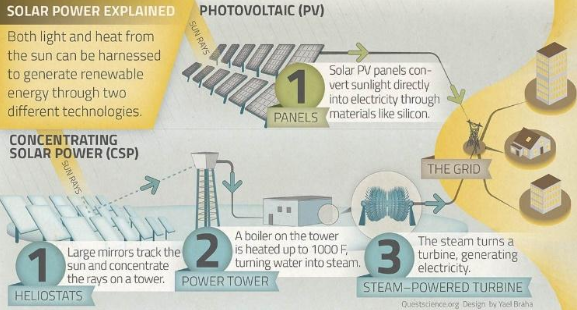
Solar panels create energy by capturing light raysfrom the sun. These rays carry energythat panels turn into electricity. The most useful rays are visible lightand near-infrared light. These rays have the right energy levels to excite the solar panel’s materials.
Ultraviolet light carries too much energy, which can harm panels. Far infrared rays carry less energy and are less useful. Panels work best under direct sunlight, where these rays are strongest.
| Light Ray Type | Energy Level | Usefulness for Solar Energy |
|---|---|---|
| Visible Light | Medium | High |
| Near-Infrared Light | Medium-Low | Moderate |
| Ultraviolet Light | High | Low (can damage panels) |
| Far Infrared Light | Low | Low |
Impact Of Different Rays On Solar Efficiency
Visible light raysgenerate the most solar energy. They cover a wide range of colors that solar panels can absorb well. These rays have just the right energy to create electricity efficiently.
Ultraviolet (UV) rayscarry more energy but can also damage solar cells over time. Solar panels convert some UV light into electricity, but their main role is to cause wear and tear.
Infrared raysproduce heat rather than electricity. This heat can lower solar panel efficiency because hot panels work less well. Managing heat is important for keeping panels productive.
Maximizing Solar Energy Capture
Solar panelswork best with light raysin the visible and near-infrared range. These rays carry the most energy for electricity. Panels made from siliconcapture these rays well. Other materials like cadmium tellurideand perovskitecan absorb more light but are less common.
Panel materials must be efficientand durable. They should convert as much sunlight into electricity as possible. Better materials lead to more power from the same sunlight.
- Panels should face the sun directly.
- Tilting the panels helps catch more light during the day.
- Angle changes with seasons for better absorption.
- Tracking systems can follow the sun’s path.
Correct angle and positionmaximize light capture. This means more energy from the same rays. Shadows and dirt reduce energy. Keeping panels clean is also important.
Technological Advances In Solar Energy
Photovoltaic materials convert sunlight into electricity. Scientists focus on improving their ability to use more of the light spectrum. Traditional solar cells mainly capture visible light, but sunlight has other rays too.
New materials can absorb ultravioletand infrared light. This means they can generate more solar energyfrom the sun. Some materials use multiple layersto catch different light rays.
- Silicon-based cells are common but limited to visible light.
- Perovskite materials absorb more of the sunlight spectrum.
- Multi-junction cells combine materials to capture wider light range.
These innovations help solar panels work better in cloudyor low-lightconditions. Using more types of light rays means higher energy output. This progress supports cleaner and cheaper energy for everyone.
Environmental Factors Affecting Light Rays
Atmospheric interferencechanges the strength of light rays reaching Earth. Clouds, dust, and pollution can block or scatter sunlight. This reduces the energy that solar panels can capture. Clear skies allow more direct sunlight and more solar energy.
Seasonal and geographic variationsaffect the angle and duration of sunlight. In summer, days are longer, and the sun is higher in the sky. This means more solar energy is available. Near the equator, sunlight is strong year-round. Far from the equator, winters bring shorter days and weaker sunlight.
Credit: arka360.com
Frequently Asked Questions
What Types Of Light Rays Produce The Most Solar Energy?
Visible and near-infrared light rays generate the most solar energy. These rays carry the highest energy levels that solar panels can effectively convert into electricity.
How Do Different Light Rays Affect Solar Panel Efficiency?
Solar panels perform best with visible and near-infrared light. Ultraviolet and far-infrared rays contribute less to energy generation, impacting efficiency.
Why Is Near-infrared Light Important For Solar Power?
Near-infrared light makes up a significant portion of sunlight. It penetrates solar cells deeply, enhancing the overall energy conversion and boosting power output.
Can Ultraviolet Light Generate Solar Energy Effectively?
Ultraviolet light carries high energy but is less effective for solar panels. Most panels are designed to capture visible and near-infrared light for better efficiency.
Conclusion
Solar energy thrives on sunlight’s power. Among light rays, UV and visible rays stand out. They generate the most solar energy. Efficient solar panels capture these rays effectively. Maximizing exposure to these rays boosts energy production. Understanding these rays helps harness solar power better.
Knowledge of light rays aids in choosing the right solar technology. This, in turn, enhances energy efficiency. Solar energy benefits greatly from natural sunlight. Investing in the right technology pays off. More energy, less cost. Embracing solar energy leads to a sustainable future.
With sunlight, we power our world.