Have you ever wondered how much power a solar panel can actually produce for your home or business? Understanding the level of power generated by solar panels is key to making smart choices about your energy needs.
Whether you’re thinking about switching to solar or just curious about how it works, knowing this information can help you see the real benefits. Keep reading to discover the factors that affect solar power output and how it can impact your energy bills.
This knowledge could change the way you think about energy forever.

Credit: www.cleanenergyreviews.info
Solar Panel Power Basics
Solar panels change sunlight into electricity using small parts called photovoltaic cells. These cells absorb sunlight and make direct current (DC) power. This power can be used right away or stored in batteries for later. The amount of power made depends on the size and type of panel.
There are three main types of solar panels:
- Monocrystalline:Made from one crystal, very efficient and last long.
- Polycrystalline:Made from many crystals, less efficient but cheaper.
- Thin-film:Lightweight and flexible but lower efficiency.
| Power Rating | What It Means |
|---|---|
| Watts (W) | Measure of how much power a panel can make in full sun. |
| Typical Range | 100W to 400W per panel, bigger panels make more power. |
| Energy Output | Depends on sunlight hours and panel efficiency. |

Credit: solarsme.com
Factors Affecting Power Output
Sunlight intensitygreatly affects solar panel power. Stronger sunlight means more energy. The angle of the sun also matters. Panels facing the sun directly get more power. Changing angles during the day cause power to vary.
Temperaturecan reduce panel output. Hotter panels work less well. Cool weather helps panels produce better power. Very high heat lowers efficiency by causing resistance.
Panel ageaffects efficiency too. New panels produce more power. Over time, panels lose some ability to convert sunlight. Dirt, dust, and wear also reduce output. Regular cleaning keeps power higher.
Typical Power Levels For Solar Panels
Solar panels come in different power levels for different uses. Residential panelsusually generate between 250 to 400 watts. These are enough to power a house with lights, TV, and small appliances.
Commercial panelsare bigger and stronger. They can produce from 400 watts up to 600 wattsor more. These panels power large buildings and factories.
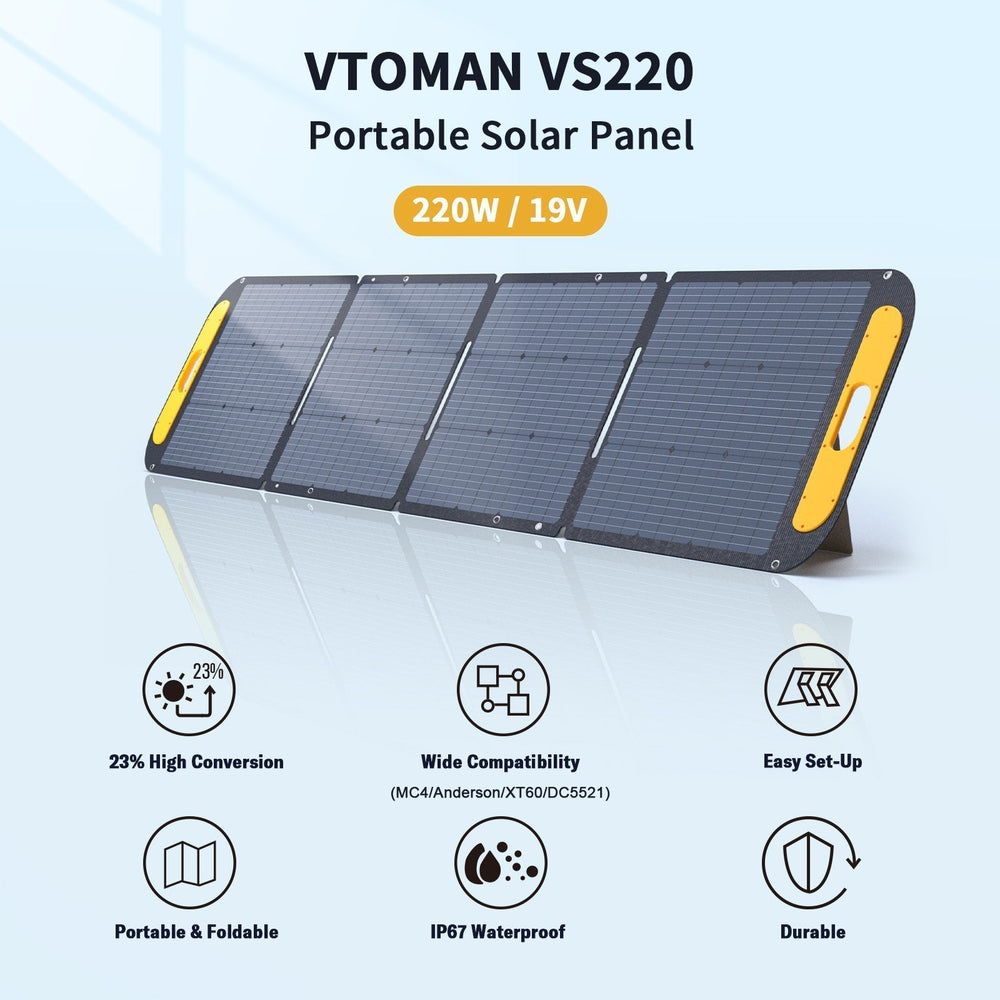
Portable and small-scale panelsare lightweight and easy to carry. They often produce from 5 watts to 150 watts. Good for camping, charging phones, and small devices.
Measuring Solar Panel Power
Watts (W)measure the power a solar panel can produce at one moment. It shows the peak powerunder ideal sunlight. Watt-hours (Wh)measure the energy produced over time. This tells how much electricity the panel generates in an hour.
Peak poweris the highest output the panel can reach. Real-world output is usually lower due to weather, angle, and temperature. Clouds and shade reduce power. Panels work best under direct sunlight.
- Use a multimeterto check voltage and current.
- Solar power metersgive quick power readings.
- Data loggerstrack energy over time.
Maximizing Solar Panel Power
Optimal placementmeans putting solar panels where they get the most sun. Panels should face south in the northern hemisphere. Avoid shadows from trees or buildings. Tilt the panels at the right angle to catch sunlight all day. Small changes in angle can make a big difference in power.
Maintenance tipskeep panels clean and working well. Dust, dirt, and leaves can block sunlight. Check panels regularly and wash them gently with water. Inspect for cracks or damage. Fixing problems quickly helps keep energy output high.
Trackers and optimizers help panels follow the sun. Trackers move panels to face the sun all day. This can increase power by up to 25%. Optimizers adjust each panel’s power output for the best results. These tools make solar power more efficient and steady.
Solar Power System Components
Inverterschange the energy from solar panels into power for home use. Batteriesstore this energy for use at night or cloudy days. This helps keep power steady all day.
Charge controllersprotect batteries from damage by controlling the flow of energy. They stop overcharging and keep batteries healthy for longer life.
- Wiringconnects all parts of the solar system safely.
- Safety deviceslike fuses and breakers stop electrical problems.
- They protect the system and your home from damage or fire.
Future Trends In Solar Power
Solar panels are getting better every year. Advanced panel technologiesuse new materials to catch more sunlight. This means they can make more powerfrom the same space.
Efficiency improvementshelp panels turn sunlight into electricity faster. Scientists work to reduce energy lost during this change. Panels today are much better than those from a decade ago.
Integration with smart gridsmakes solar power more useful. Smart grids help manage when and where power is needed. This keeps energy flow steady and helps save money.

Credit: powerfullygreen.com
Frequently Asked Questions
What Power Level Does A Typical Solar Panel Generate?
A typical residential solar panel generates between 250 to 400 watts of power. This depends on panel size, efficiency, and sunlight exposure. Most panels produce around 300 watts under ideal conditions, suitable for home energy needs.
How Much Energy Can Solar Panels Produce Daily?
Solar panels can produce 1 to 5 kilowatt-hours (kWh) daily, depending on location and sunlight hours. On average, a 300-watt panel generates about 1. 2 to 1. 5 kWh per day in good sunlight.
What Affects The Power Output Of Solar Panels?
Power output depends on sunlight intensity, panel angle, temperature, and shading. Panels perform best under direct sunlight with optimal tilt and minimal obstructions. Weather conditions also impact efficiency.
Can Solar Panels Power A Whole House?
Yes, multiple solar panels combined can generate enough power for a typical house. System size varies based on home energy consumption and sunlight availability. Many homes use 4kW to 10kW solar setups.
Conclusion
Solar panels offer a clean energy source. They generate power efficiently. Output depends on panel size and sunlight exposure. Understanding these factors helps in choosing the right system. Consider your energy needs and environmental conditions. This helps maximize efficiency and savings.
Solar energy supports a sustainable future. It’s a smart choice for eco-friendly power. Transitioning to solar can reduce electricity bills. It also decreases carbon footprints. An informed decision today can lead to long-term benefits. Embrace solar energy for a brighter tomorrow.