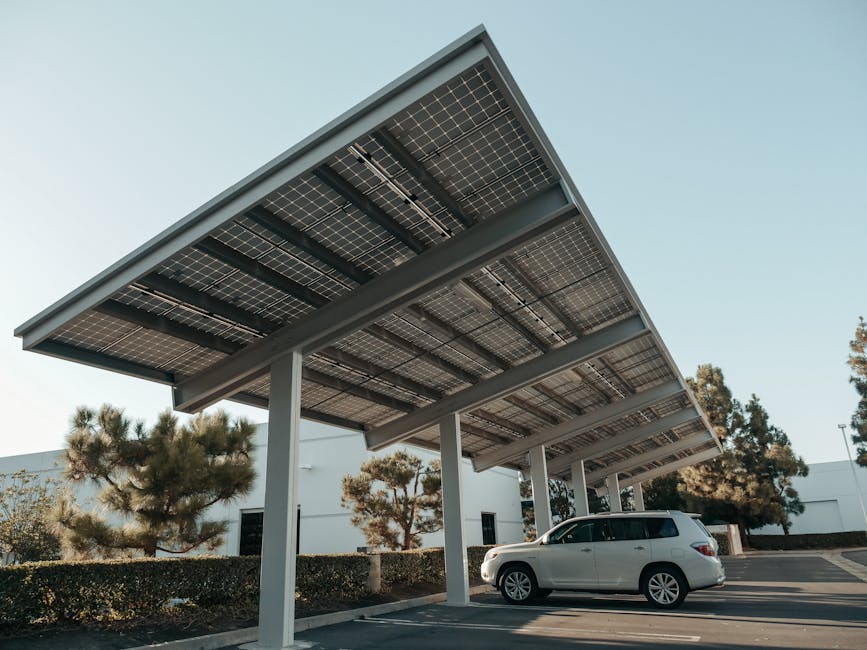
Are you curious about when your solar panels in Massachusetts will work their hardest? Knowing which months generate the most solar energy can help you get the most from your investment.
Imagine maximizing your savings and powering your home efficiently just by understanding the natural rhythm of the sun. You’ll discover exactly when solar energy peaks in Massachusetts—and how you can use that knowledge to boost your energy game all year long.
Keep reading to unlock the secret months that make your solar system shine brightest!
Credit: www.utilitydive.com
Solar Energy Potential In Massachusetts
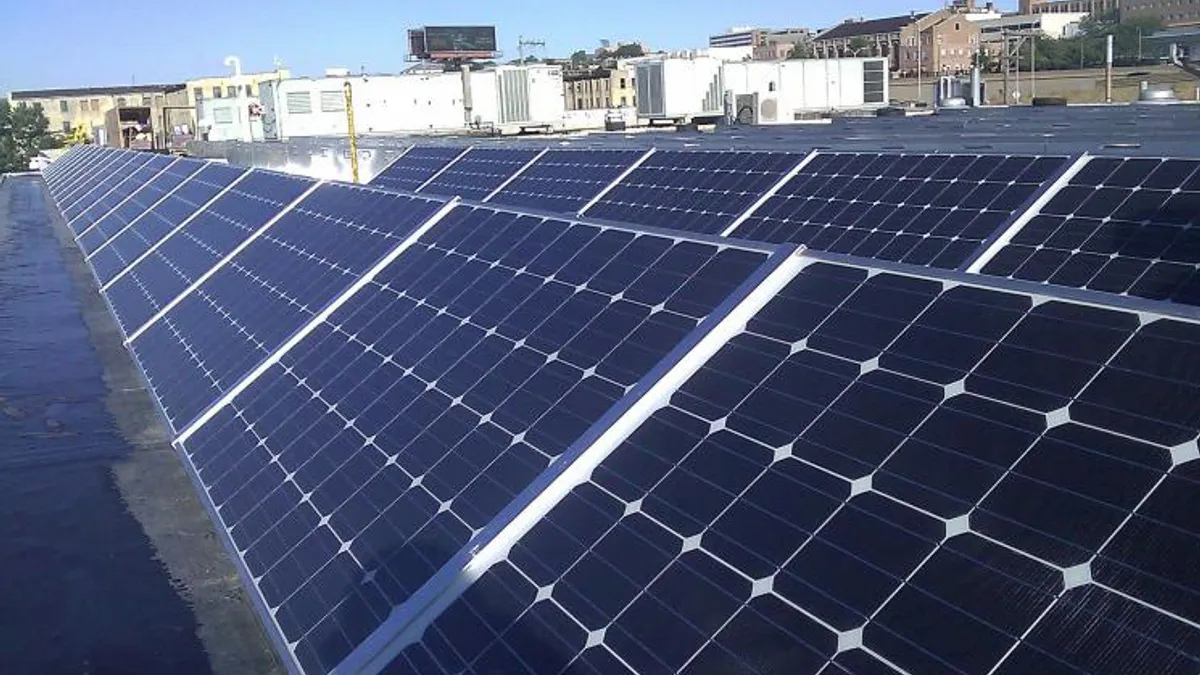
Massachusetts gets sunlight from early spring to late fall. The state’s latitudeaffects how much sun reaches the ground. Winters are cold and short days limit solar power. Summer months have long, bright days that boost solar energyproduction.
Cloud cover and weather also play a role. Sunny days in summer help solar panels work better. Snow and rain in winter reduce sunlight and lower energy output. Coastal areas might get more sun than inland spots due to less fog.
| Month | Average Sunlight Hours | Solar Energy Potential |
|---|---|---|
| June | 14 | High |
| July | 14 | High |
| May | 13 | Moderate to High |
| August | 13 | Moderate to High |
| December | 9 | Low |

Credit: www.bostonglobe.com
Monthly Solar Energy Trends
Winter monthsin Massachusetts produce the least solar energy. Days are shorter and skies are often cloudy. Snow can cover solar panels, reducing output further. Cold temperatures do not stop solar panels from working but less sunlight means less power.
During spring and summer, solar energy output peaks. Longer days and clear skies give more sunlight. Solar panels work best in these months, producing the most energy. This is the ideal time for solar power users to save on electricity bills.
In fall, solar energy begins to decline. Days get shorter and clouds increase. The amount of sunlight drops, so solar power decreases. Energy production is still better than in winter but less than in spring and summer.
Factors Affecting Monthly Solar Output
Daylight hourschange a lot through the year in Massachusetts. Longer days in summer mean more sunlight for solar panels. Shorter days in winter reduce the time panels can collect energy. This makes summer months the best for solar power.
Weather and cloud coveralso affect solar energy. Sunny days help panels produce more power. Cloudy or rainy days lower solar output because less sunlight reaches the panels. Clear skies are ideal.
Temperatureimpacts solar panel efficiency too. Panels work better in cool weather, not too hot. Very high temperatures can reduce their power output. So mild summer days are often best for solar energy production.
Maximizing Solar Power Generation
Solar panelswork best when placed facing south in Massachusetts. The ideal anglefor panels changes with the seasons to catch the most sunlight. In winter, a steeper angle helps capture lower sun rays. In summer, a flatter angle works better. Adjusting panels twice a year improves energy output.
Keeping panels clean is key. Dirt and snow reduce power. Check panels after storms and clean with soft water. Avoid harsh chemicals or scrubbing hard. Regular seasonal maintenanceensures panels stay efficient. Inspect wires and mounts for damage or wear.
| Energy Storage Option | Benefit | Consideration |
|---|---|---|
| Home Battery | Stores excess energy for night use | High initial cost |
| Grid-Tied System | Uses utility grid as backup | Depends on grid availability |
| Hybrid System | Combines battery and grid use | More complex setup |
Comparing Massachusetts To Other States
Massachusettsranks moderately in solar energy production compared to other states. States like Californiaand Arizonaproduce more solar power due to their sunnier climates. Massachusetts benefits from long summer days, but its winter months reduce solar output.
Peak solar energy months vary by region. Southern states often see the highest solar energy in May through August. Massachusetts sees its peak in June and July, when the sun is strongest and days are longest.
| Region | Peak Solar Months | Solar Energy Ranking |
|---|---|---|
| Massachusetts | June – July | Moderate |
| California | May – August | High |
| Arizona | May – August | Very High |
| New York | June – July | Moderate |

Credit: blog.greenenergyconsumers.org
Frequently Asked Questions
Which Months Produce The Most Solar Energy In Massachusetts?
May through August generate the highest solar energy in Massachusetts. These months have longer daylight hours and stronger sun intensity, boosting solar panel output. Summer’s clear skies also help maximize solar energy production across the state.
How Does Winter Affect Solar Energy In Massachusetts?
Winter months produce less solar energy due to shorter days and weaker sunlight. Snow cover can block panels, further reducing efficiency. However, cold temperatures can improve solar panel performance slightly, partially offsetting the lower sunlight availability.
Is Spring Or Fall Better For Solar Energy In Massachusetts?
Spring generally produces more solar energy than fall in Massachusetts. Increasing daylight and stronger sun angles in spring enhance solar output. Fall days shorten and sunlight weakens, causing a gradual decline in solar energy generation compared to spring.
Does Cloud Cover Impact Solar Energy Production In Massachusetts?
Yes, cloud cover reduces solar energy production significantly. Clouds block sunlight, lowering the amount of solar radiation hitting panels. On cloudy days, solar panels generate less electricity, but modern panels still produce some energy under diffuse light conditions.
Conclusion
Massachusetts experiences peak solar energy months in spring and summer. These months offer longer daylight hours and clear skies. Solar panels perform best during this time. Homeowners can expect higher energy production. This energy can significantly reduce electricity bills. It’s beneficial to plan installations before these peak months.
Early preparation ensures maximum energy capture. Massachusetts’s climate supports sustainable energy growth. Investing in solar can be an eco-friendly choice. Consider these peak months for optimal results. Embrace solar energy and contribute to a greener environment.