Have you ever wondered how much of the world’s energy came from the sun back in 2013? Understanding the percentage of energy generated by solar power that year can reveal a lot about how far we’ve come—and where your energy future might be headed.
This isn’t just about numbers; it’s about the impact on your daily life, your energy bills, and the planet you live on. Keep reading to discover the surprising facts about solar energy’s role in 2013 and why it matters to you now.

Credit: www.statista.com
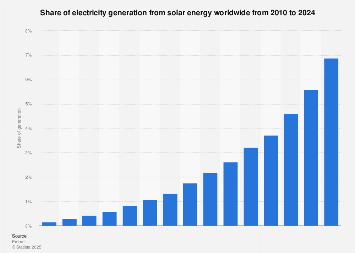
Global Solar Energy Share In 2013
Solar energy made up about 0.4% of the global energyin 2013. This share was small but growing fast. It showed a clear shift towards cleaner power sources worldwide.
Other renewable sources had higher shares:
- Hydropower:Around 16% of total energy.
- Wind energy:About 3.5% of global energy.
- Biomass energy:Nearly 10% of the energy mix.
| Energy Source | Percentage of Global Energy in 2013 |
|---|---|
| Solar | 0.4% |
| Hydropower | 16% |
| Wind | 3.5% |
| Biomass | 10% |
Leading Countries In Solar Energy Production
Solar energy made up less than 1% of global energy in 2013. Countries like Germany and China led in solar power production that year. Their investments helped increase solar’s share in the energy mix.
Top Solar Energy Generators
In 2013, several countries stood out for their solar power output. Germanyled with a significant share of solar energy production. Italyand the United Statesalso contributed large amounts. These countries invested heavily in solar technology and infrastructure. Solar energy made up a notable percentage of their total energy mix, showing early adoption of clean power.
Regional Growth Trends
Solar energy grew fastest in Europeand North Americaduring 2013. Countries in these regions pushed solar projects to reduce pollution. Asia, especially China, started to increase solar capacity quickly. The cost of solar panels dropped, helping many areas boost their solar power. Growth was slower in some parts of Africa and South America but showed promise for future years.
Technological Advances Impacting Solar Output
Efficiency improvementsin solar panels helped increase energy output in 2013. Panels became better at turning sunlight into electricity. This meant more power from the same sunlight. New materials and designs played a big role. Thin-film solar cells and multi-junction cells showed better performance. These changes made solar energy more reliable and useful.
Cost reductions also boosted solar energy use. Manufacturing became cheaper. More factories started making solar panels. This caused prices to drop. Lower prices made solar power more available to homes and businesses. Installation costs went down too. Together, these factors led to more solar energy generation in 2013.

Credit: www.windpowerengineering.com
Challenges Facing Solar Energy In 2013
Solar energy faced many challengesin 2013. One major issue was infrastructure limitations. The electric grid was not ready to handle large amounts of solar power. Many places lacked the necessary wiring and technology to connect solar panels efficiently.
Another big problem was policy and regulatory barriers. Some rules made it hard for solar projects to start. Permits took a long time, and some laws favored older energy sources like coal and gas. This slowed down solar growth.
- Grid systems needed upgrades to support solar.
- Many areas had limited access to solar-friendly technology.
- Policies often delayed solar project approvals.
- Regulations sometimes favored traditional energy sources.
Unexpected Findings In Solar Energy Data
Solar energy in 2013 made up a small but important part of total energy. Many sources underestimated the true share of solar power that year. Some regions showed surprising growth that year, despite overall low percentages.
Solar power grew faster in unexpected places. Some countries increased their solar capacity quickly. This growth surprised experts who thought solar was slower to spread.
- Underestimated Contributions:Solar energy’s share was often counted too low.
- Surprising Growth Areas:New markets and countries started using solar more.
- Solar energy was less than 1% but growing steadily.
Future Projections Based On 2013 Data
Solar energy made up a small share of total energy in 2013, contributing less than 1%. Growth trends back then hinted at a slow but steady rise in solar power use. These figures help predict how solar energy might expand in the future.
Predicted Growth Rates
Solar energymade up a small part of total energy in 2013. Experts expected this to grow fast in the next years. Growth rates were predicted to be 10% to 20% annually. This was due to better technology and lower costs. Many countries planned to add more solar power plants.
Potential Market Shifts
The market for solar energy was expected to change a lot. Some changes included:
- More homes and businessesusing solar panels.
- Government rulessupporting clean energy.
- New companiesentering the solar market.
- Cheaper solar panelsmaking solar power more affordable.
These shifts aimed to increase the share of solar energy in the market quickly.
Credit: www.cer-rec.gc.ca
Frequently Asked Questions
What Percentage Of Global Energy Was Solar In 2013?
In 2013, solar energy generated about 0. 5% of the world’s total electricity. This reflects early growth in solar adoption globally.
How Much Did Solar Energy Contribute To Us Power In 2013?
Solar power contributed roughly 0. 3% of total electricity generation in the United States in 2013, showing modest but growing use.
Why Was Solar Energy’s Share Low In 2013?
Solar technology was less widespread and more expensive in 2013. Infrastructure and investment were still developing, limiting its energy share.
Which Countries Led Solar Energy Generation In 2013?
Germany, Italy, and China were top solar energy producers in 2013, driving most of the global solar electricity generation.
Conclusion
Solar energy made significant strides in 2013. It contributed a notable percentage to global energy. This shift indicated growing interest in renewable sources. People recognized the benefits of clean energy. Governments also increased support for solar initiatives. This momentum set the stage for future growth.
Solar energy’s potential continues to expand. It offers a sustainable path forward. More countries are investing in this renewable source. As solar technology improves, costs will likely decrease. This makes solar even more accessible. The journey towards cleaner energy began strong in 2013.
A promising future awaits.