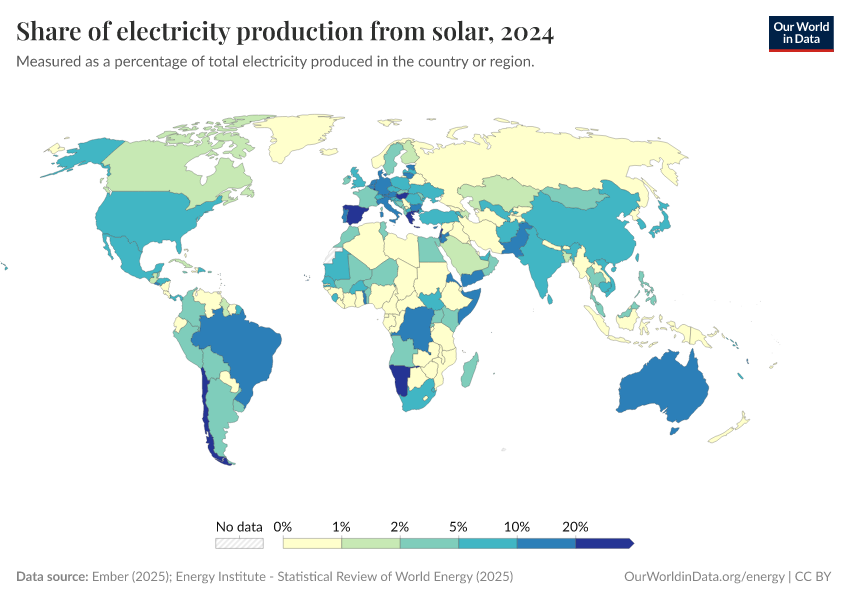
Have you ever wondered how much of the new electricity being generated actually comes from solar power? If you’re curious about where our energy is headed and how solar fits into the bigger picture, this article is for you.
Understanding the percentage of new electricity generation that comes from solar can give you a clearer idea of how quickly this clean energy source is growing—and what that means for your future energy bills and the planet. Keep reading to discover the latest numbers and what they reveal about the rise of solar energy.

Credit: www.statista.com
Global Solar Capacity Surge
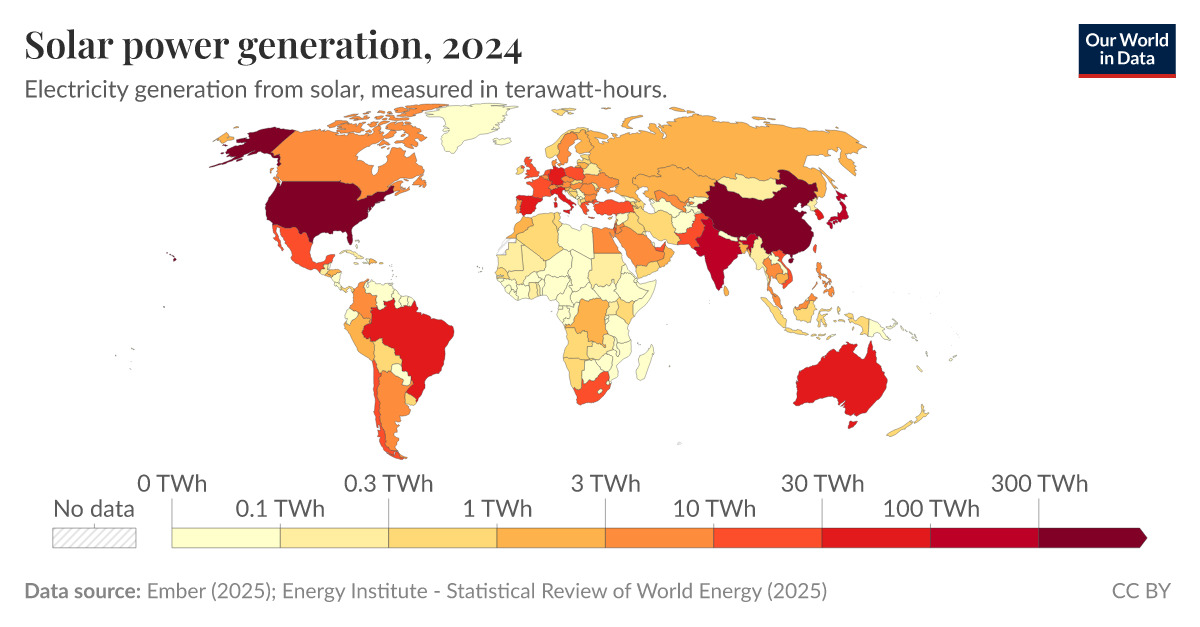
The global solar capacityhas grown rapidly in recent years. Solar power now makes up a significant shareof new electricity generation worldwide. More countries are investing in solar projects to meet clean energy goals.
Recent data shows solar energy accounts for about 40% of new electricitycapacity additions globally. This growth is driven by falling costs and better technology. Solar panels are easier to install and maintain than before.
| Country | Solar Capacity Growth (%) | Key Fact |
|---|---|---|
| China | 45% | Largest solar producer worldwide |
| United States | 25% | Rapid expansion in solar farms |
| India | 15% | Fast growth in solar rooftop installations |
| Germany | 10% | Strong government support for solar |
Credit: ourworldindata.org
Solar’s Share In New Electricity
Solar energy now makes up a large partof new electricity generation each year. Its share has grown steadily, adding more capacity than many other sources. This growth shows the rising importance of solar power worldwide.
Annual increases in solar generation have often been above 20%. This is faster than wind, coal, and gas in many regions. The trend points to solar becoming a key energy source soon.
| Energy Source | Annual Growth Rate (%) | Share of New Generation (%) |
|---|---|---|
| Solar | 20-30 | 40-50 |
| Wind | 10-15 | 25-30 |
| Natural Gas | 5-10 | 10-15 |
| Coal | -5 to 0 | 5-10 |
Factors Driving Solar Growth
Technological advanceshave made solar panels more efficient and reliable. New designs capture more sunlight and work better in low light. This helps increase the amount of solar energy produced.
Policy and incentivesencourage people and companies to use solar power. Governments offer tax credits, rebates, and subsidies. These make solar installations cheaper and more appealing.
Cost reductionshave lowered the price of solar panels. Manufacturing improvements and larger production scale cut costs. This makes solar energy affordable for more users.
- Better technology means higher energy output.
- Policies reduce upfront costs.
- Lower prices increase adoption.

Credit: www.solarpowerportal.co.uk
Challenges Facing Solar Adoption
Grid integrationis a big challenge for solar power. Solar energy depends on sunlight, so it can be unpredictable. This makes it hard to keep the electricity supply steady. The existing power grids were not made for this kind of energy. They need upgrades to handle solar power well.
Resource and land constraintsalso limit solar adoption. Large solar farms need lots of space, which is hard to find in crowded places. Some areas do not get enough sunlight. Also, the materials to build solar panels can be expensiveand hard to get.
Intermittency and storagecause more problems. Solar panels do not work at night or on cloudy days. Batteries to store solar energy are costlyand have limited capacity. This makes it tough to use solar power all the time.
Future Outlook For Solar Energy
Solar energyis expected to grow fast over the next decade. Experts say the annual growth rate could be around 20-25%. This is due to falling costs and better technology. Many countries plan to add more solar power plants.
New technologies like perovskite solar cellsand solar storage systemsare improving efficiency. These will help solar panels produce more energy even on cloudy days. Innovations also make solar panels cheaper and easier to install.
| Aspect | Impact on Solar Energy |
|---|---|
| Projected Growth Rates | 20-25% annual increase in solar capacity |
| Emerging Technologies | Higher efficiency and lower cost panels |
| Impact on Global Energy Mix | Solar could provide 30% of new power by 2030 |
Solar power will make up a larger part of the world’s energy. It helps reduce pollution and lowers energy bills for many people. The future of solar energy looks bright and promising.
Frequently Asked Questions
What Percentage Of New Electricity Comes From Solar?
Solar power accounts for about 40% of new electricity generation globally. This share is rapidly increasing due to falling costs and government incentives. Solar energy is now one of the cheapest sources for new power plants.
How Fast Is Solar Electricity Growing Yearly?
Solar electricity generation grows roughly 20-25% annually worldwide. This growth is driven by technology improvements and expanded solar installations. Increasing demand for clean energy also boosts solar capacity each year.
Why Is Solar Energy Dominating New Electricity Generation?
Solar energy is abundant, renewable, and increasingly affordable. It offers a clean alternative to fossil fuels with low operating costs. Governments and businesses prioritize solar to meet climate goals and reduce emissions.
Which Regions Lead In Solar Electricity Generation?
Asia, especially China and India, leads solar electricity growth. Europe and the U. S. also contribute significantly to new solar capacity. These regions have strong policies and investment supporting solar power.
Conclusion
Solar power continues to grow in electricity generation. It offers a clean energy source. Many countries invest in solar technology. This shift shows a global move towards sustainability. Solar power’s role in new electricity is significant. It helps reduce reliance on fossil fuels.
The future of energy is bright with solar. This trend encourages green practices worldwide. As technology advances, solar power becomes more efficient. It contributes to a healthier planet. Solar energy’s share in new generation is promising. A step towards a sustainable future.
Keep an eye on solar’s growth. It’s a positive change for our world.