Have you ever wondered how much of the electricity powering your home or devices actually comes from the sun? Understanding the percentage of power that solar energy contributes in the US can change the way you think about energy use and your impact on the environment.
This insight isn’t just interesting—it can help you make smarter choices about your energy consumption and even save money. Keep reading to discover the surprising facts about solar power’s role in the US energy landscape and what it means for you right now.
Solar Power Share In Us Energy Mix
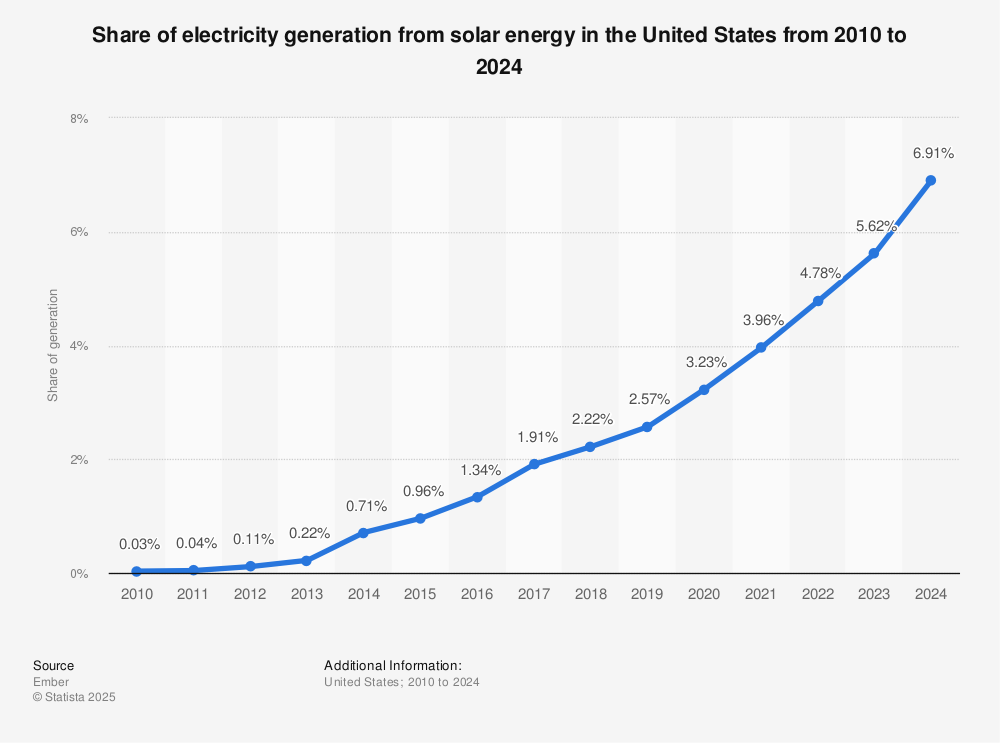
Solar power generates about 4% of electricityin the US. This share is growing every year as more solar panels are installed. The US uses many sources for energy, but solar is one of the fastest-growing.
| Energy Source | Percentage of US Electricity |
|---|---|
| Solar | 4% |
| Wind | 9% |
| Hydropower | 6% |
| Biomass | 1% |
Wind power leads among renewables with around 9%. Hydropower is next at 6%. Solar is catching up fast because it can be installed on rooftops and in deserts. Each source helps the US use less fossil fuel.

Credit: en.wikipedia.org
Growth Trends Of Solar Energy
Annual capacity additionsof solar energy have grown steadily over the past decade. Each year, more solar panels are installed, increasing the total power generated. This growth helps solar energy contribute a larger share to the US power mix.
Technological advanceshave made solar panels cheaper and more efficient. New materials and better designs capture more sunlight, even on cloudy days. These improvements reduce costs and make solar power more reliable.
Solar farms and rooftop panels are now common in many states. This spread helps reach more homes and businesses. As technology improves, expect solar energy to play a bigger role in US power generation.
Regional Solar Power Variations
Solar power generation varies widely across the United States. Some states produce much more solar energy than others. This depends on factors like sunlight, land space, and state policies.
| State | Percentage of Power from Solar | Key Reason |
|---|---|---|
| California | More than 20% | High sunlight and strong solar incentives |
| Arizona | About 15% | Very sunny climate and large solar farms |
| North Carolina | Around 10% | Good solar policies and growing solar market |
| Texas | Close to 8% | Large land area and expanding solar projects |
Several factors cause these regional differences. Sunlight hours and weather play a big role. State rules and support for solar help too. Land availability affects how many solar panels can be installed. Also, local energy demand can impact solar growth.
Challenges Facing Solar Expansion
Grid integration issuescreate challenges for solar power growth. The sun does not shine all day, so solar energy is intermittent. This makes it hard to keep the power supply steady. The current power grid was not made for such changes. It needs updates to handle solar energy well.
Policy and regulatory barriersalso slow down solar expansion. Some rules are old and do not support solar power. Permits and approvals can take a long time. This makes it difficult for new solar projects to start. Clear and simple policies can help solar energy grow faster.
Future Outlook For Solar Energy
Solar energy currently generates about 3% of the total power in the US. Growth is steady as more solar farms and rooftop panels are installed. This trend suggests a larger share of clean energy in the future power mix.
Projected Growth Rates
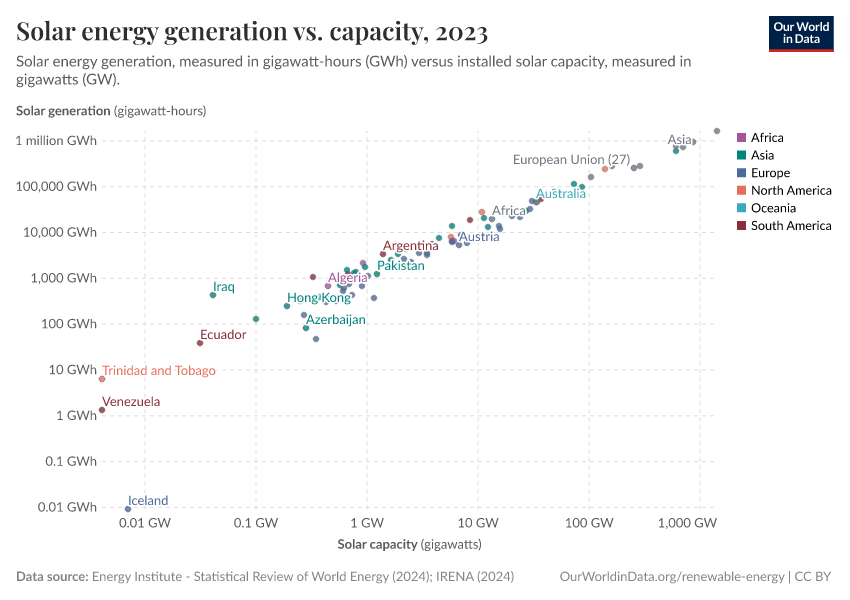
Solar energyis expected to grow fast in the coming years. Many countries want to use clean and cheap power. Governments support solar projects with incentives and policies. Solar power could provide up to 30% of US electricityby 2050. Growth rates of 10-15% per yearare common. More homes and businesses install solar panels. This trend helps reduce carbon emissionsand fight climate change.
Emerging Technologies And Innovations
- Solar panel efficiencyis improving with new materials.
- Energy storagetechnology, like batteries, helps use solar power anytime.
- Smart gridsmanage solar energy better for homes and cities.
- Floating solar farmsuse water surfaces to generate power.
- Solar windowscan produce electricity while letting light in.
Credit: ourworldindata.org
Environmental And Economic Impacts
Solar energyhelps cut down carbon emissions. This means less air pollution and cleaner air to breathe. Using solar power reduces the need for coal and gas, which release harmful gases. The environment benefits as fewer greenhouse gases are sent into the air.
Solar poweralso creates many jobs. These jobs range from making solar panels to installing and fixing them. More jobs mean better economic growthin local communities. Solar energy helps save money on electricity bills too.

Credit: en.wikipedia.org
Frequently Asked Questions
What Percentage Of Us Electricity Is From Solar Power?
Solar power generates about 4. 5% of the total electricity in the US as of 2023. This share is growing rapidly due to increased solar installations and favorable policies.
How Much Has Solar Energy Grown In The Us Recently?
Solar energy capacity in the US has doubled every two years since 2010. This growth is driven by falling costs, technological advances, and government incentives.
Which Us States Produce The Most Solar Power?
California leads US solar production, contributing nearly 40% of the nation’s solar electricity. Other top states include Texas, Florida, and North Carolina.
What Factors Affect Solar Power’s Share In Us Energy?
Solar power’s share depends on sunlight availability, installation costs, government support, and grid infrastructure improvements. Seasonal and regional differences also impact solar energy generation.
Conclusion
Solar energy is growing in the US. Its contribution is significant. More households and businesses choose solar power each year. This increase helps reduce carbon footprints. Clean energy benefits the environment and future generations. Solar power’s role in energy production will likely rise.
More advancements in technology will support this trend. Investing in solar is becoming more accessible and popular. The US aims for a greener future. Solar power is a key player. Understanding its current percentage helps track progress. Stay informed and consider solar for your energy needs.